
Last updated November 18, 2026
 Hardwood
 Engineered hardwood
 Luxury vinyl plank
 Laminate
 Porcelain tile
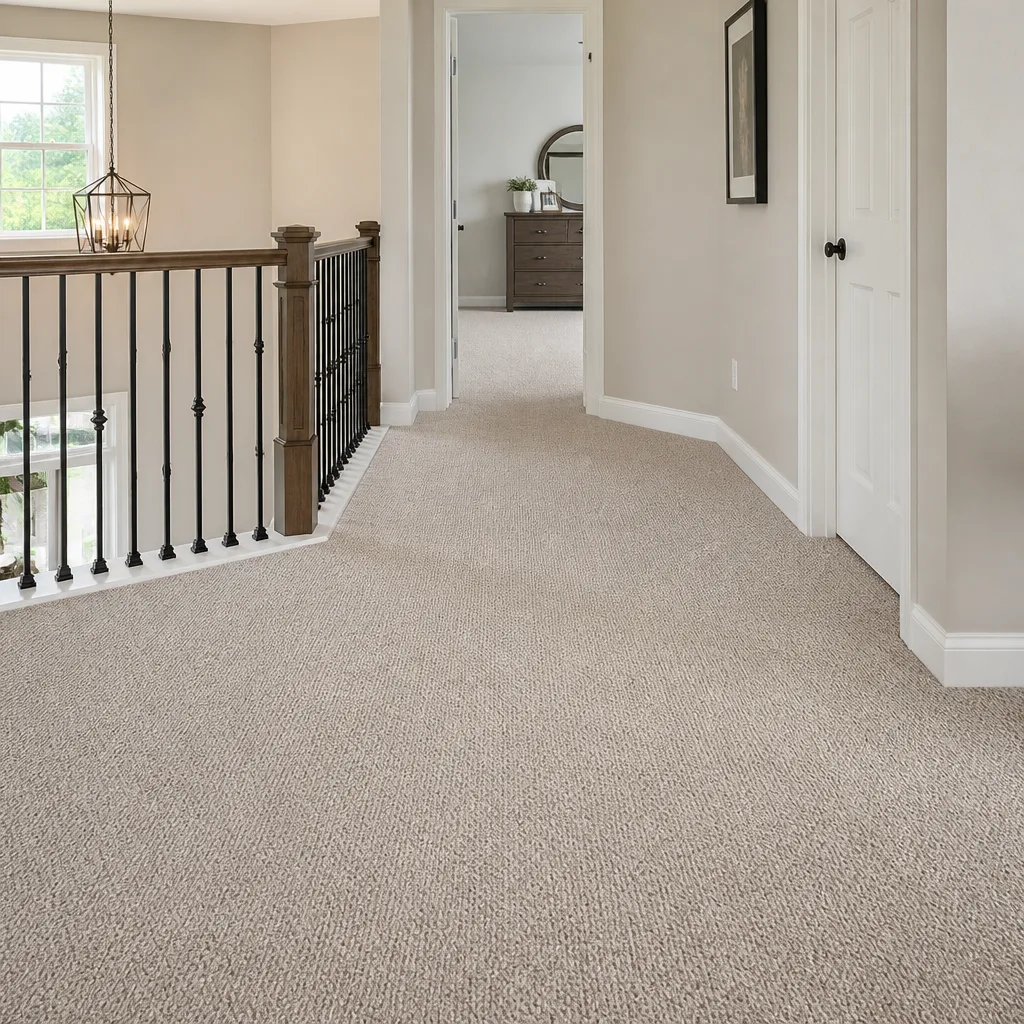 Carpet
 Shaw
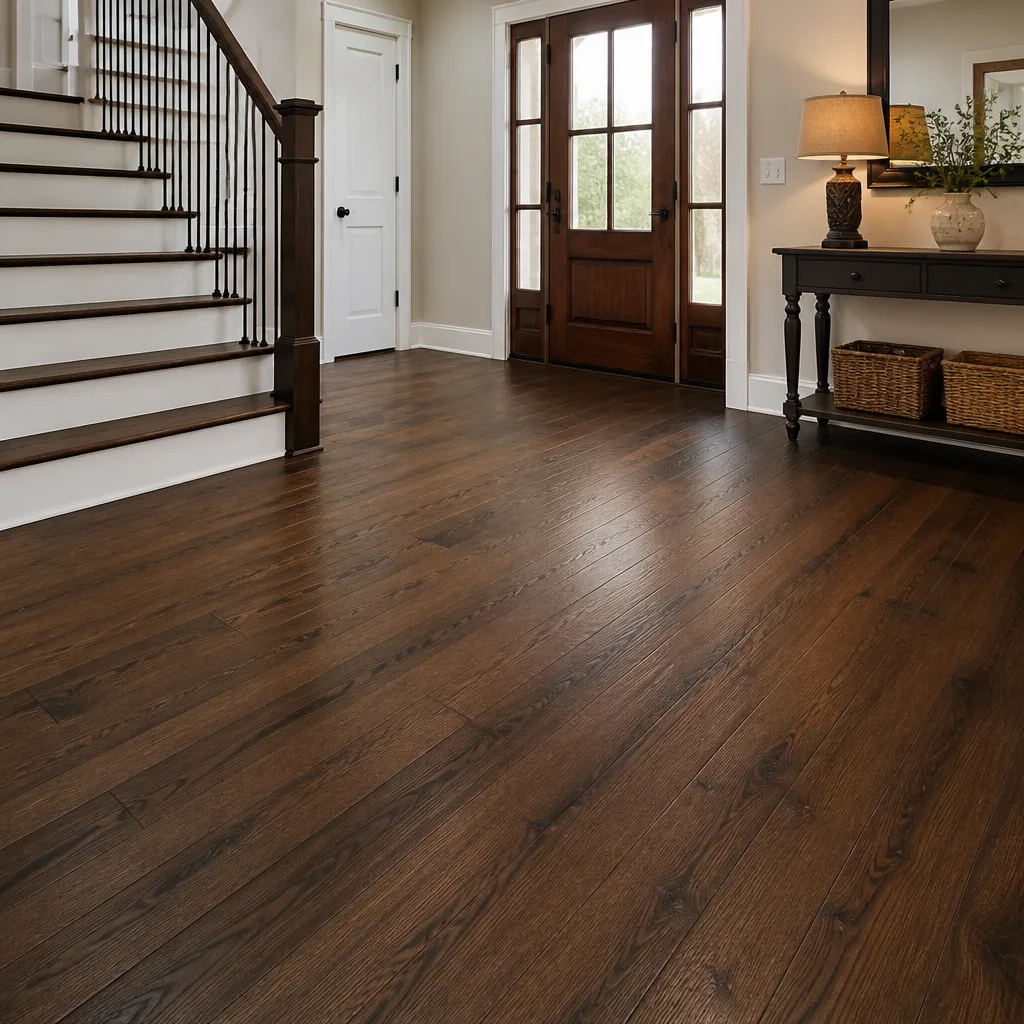 Mohawk
 COREtec
 Pergo
Free in-home measure and written estimate: Shaw, Mohawk, COREtec and Pergo lines compared on your own rooms, with carpet, tile, vinyl plank, laminate and hardwood laid out side by side
Get your free estimateHow to Hire a Flooring Contractor in Paradise: A Step-by-Step Guide
Most flooring decisions in Paradise get made backwards. Homeowners pick a product first, then hunt for someone to install it, and only start asking about credentials once the material is sitting in the garage. That order invites trouble. The installer matters more than the sample you carried home, because a great floor in the wrong hands becomes a callback, a failed seam, or a tile field that never sits flat. We’re a flooring specialist, so we have a stake in this. But the honest version of that stake is simple: the vetting steps below protect you whether you hire us or someone else. This guide walks through the checkpoints where bad hires get caught, and the ones homeowners skip most often. It’s written for Paradise homes and Paradise conditions, from the sun that bakes west-facing rooms to the slab-on-grade construction common in valley neighborhoods.
Quick Answer
To hire a flooring contractor in Paradise, verify the contractor’s Nevada license and liability coverage before discussing price, confirm the license classification actually covers flooring work, demand a written contract with product model numbers and a payment schedule tied to milestones, and keep a meaningful final payment until you’ve inspected the finished floor. Ask whether the company is a flooring specialist or a general contractor who also installs floors. The answers to those four questions will separate a professional from a price.
Styles & brands we work with
- Hardwood
- Engineered hardwood
- Luxury vinyl plank
- Laminate
- Porcelain tile
- Carpet
- Shaw
- Mohawk
- COREtec
- Pergo
Table of Contents
- How do you verify a flooring contractor’s license in Nevada?
- Why does a flooring specialist beat a general contractor?
- What must a flooring contract actually contain?
- What do red flags in a flooring bid look like?
- How should you structure the payment schedule?
- How does Paradise’s climate affect flooring choices and installation?
- What should you check at final inspection?
- How do brand options fit into the hiring decision?
How do you verify a flooring contractor’s license in Nevada?
You verify a Nevada contractor by checking the license through the Nevada State Contractors Board (NSCB) database before you sign anything. The NSCB maintains a public lookup where you can confirm whether a license is active, what classification it carries, whether it has complaints or disciplinary actions on record, and whether the contractor carries the required liability and workers’ compensation coverage. It takes a few minutes. Most homeowners never do it.
If someone hands you a business card with no license number on it, that’s your first answer. A legitimate Nevada contractor will give you the number without hesitation, because the license is the whole basis for them being allowed to contract work in the state.
What license classifications cover flooring work?
Nevada licenses contractors by classification, and not every classification covers flooring. General building and residential classifications can legally contract a broad scope of work, which is part of why general contractors show up in flooring bids. But the classification a flooring specialist carries is typically tied to the trades they actually perform: floor covering, tile, and related finish work. When you look up a license, read the classification, not just the active status. An active license that doesn’t cover the scope you’re hiring for is still the wrong license.
What to confirm on the NSCB lookup:
- The license status reads active, not suspended or expired
- The classification covers flooring, tile or the specific scope you need
- The business name on the license matches the name on your contract and estimate
- Liability insurance is on file
- Workers’ compensation coverage is on file if the contractor has employees
That last point matters more than people realize. If an uninsured helper gets hurt in your home and the contractor carries no workers’ comp, the exposure can land on you as the homeowner. Checking coverage isn’t paranoia; it’s the basic math of letting someone work inside your house.
One more thing: the license number should appear on the written estimate and the contract. If the number on the paperwork doesn’t match the database, stop. Call the NSCB and ask a human to confirm.
Why does a flooring specialist beat a general contractor?
A flooring specialist does one category of work and does it repeatedly. A general contractor who “also does floors” spreads attention across framing, drywall, cabinets and a dozen other trades, and the floor is often subbed out to whoever’s available. The distinction isn’t about pride. It’s about where the expertise sits when something goes wrong six months after the install.
Here’s what a specialist brings that a generalist usually can’t:
- Product knowledge at the specification level. A specialist knows how a given tile flooring installation behaves over a slab versus a wood subfloor, and how a carpet’s backing interacts with the pad. The generalist reads the box.
- Refinishing capability. A hardwood specialist can tell you whether your existing floor can be sanded and refinished or whether it’s too thin. A generalist usually replaces, because replacement is the only tool in the bag.
- Multi-surface coordination. If your home has carpet in the bedrooms, tile in the baths and hardwood in the living room, a specialist handles all three under one contract instead of you juggling three trades and three schedules.
- Clear warranty ownership on labor. When one company installs the floor, one company answers for the labor. When a general contractor subs it out, the warranty chain gets murky fast.
Ask the question directly: “Do you install floors as your primary business, or is flooring one line among many?” Listen for a straight answer. If the response involves a long list of unrelated trades, you’re talking to a generalist, and you should price the job accordingly.
We’re biased here, obviously. We do three things: carpet, tile and hardwood refinishing. That’s the entire business. When a homeowner in Paradise calls us, they get someone whose whole working day is floors, not someone squeezing an install between a kitchen remodel and a roof repair.
What must a flooring contract actually contain?
A legitimate flooring contract contains five things: a detailed scope of work, product specifications with model numbers, a timeline, a payment schedule, and a written process for handling disputes. If any of those is missing, the contract is incomplete, and you should ask for a revised version before signing.
Walk through each one:
- Scope of work. Which rooms, how many square feet, and what happens during demolition. Tear-out of old flooring, haul-away, and subfloor prep should be named line items, not folded into a vague “labor” total.
- Product specifications. Brand, product line and model number for every material: flooring, underlayment, pad, grout, thinset, transition strips. “Premium carpet” means nothing. A model number means something.
- Timeline. Start date, expected duration and the sequence. A specialist will usually lay out the milestone order (demo, prep, install, trim, cleanup) rather than a single end date.
- Payment schedule. Broken into milestones, with a final payment held until inspection.
- Dispute process. How change orders get documented, how punch-list items get handled, and what happens if the finished floor doesn’t match the spec.
Ask for the contract in writing before any deposit changes hands. A contractor who wants to “start now and write it up later” is telling you how they’ll handle the rest of the job.
One more item to request: the product specification sheet for the material going into your home, so you know exactly what the manufacturer’s installation instructions require. Those instructions govern how the floor gets installed, and they’re your reference point if a question comes up later.
What do red flags in a flooring bid look like?
Red flags in a flooring bid are usually omissions, not errors. The bid looks clean and low, and the problem is what’s not on the page. Here’s what to watch for:
- No square footage. A bid that doesn’t state measured area in square feet isn’t a bid; it’s a guess. Ask for the measurement and the waste factor.
- No demolition line item. Every flooring job involves removing the old floor or prepping over it. If tear-out and disposal aren’t listed, they’ll reappear as a surprise or get skipped entirely.
- Cash-only deposits. A contractor demanding cash, no receipt, no contract, is putting all the risk on you. Reputable contractors take traceable payments against a written agreement.
- No written warranty on labor. Product warranties come from the manufacturer; labor warranties come from the installer. If the bid says nothing about the labor warranty, ask for it in writing.
- Vague material descriptions. “Ceramic tile,” “vinyl plank,” “carpet” without a brand or model number are placeholders. A professional names the product.
- Pressure to sign today. Legitimate bids don’t expire overnight. Take a day to compare, and ask questions.
We’ve seen homeowners accept bids where the flooring material was never specified at all, only the room and a total price. That’s a blank check. If the number matters to you, the material name has to be on the page.
Also watch for a bid that lumps “installation” without distinguishing prep, leveling or transitions. Tile over an unlevel slab needs prep, and prep costs money. A bid that ignores prep is a bid that will come back for more.
How should you structure the payment schedule?
Structure the payment schedule so you’re never ahead of the work. The most reliable pattern is a modest deposit when materials get ordered, a progress payment tied to a defined milestone, and a final payment that stays yours until you’ve inspected the finished floor.
A workable sequence looks like this:
- Deposit at contract signing or material order. Modest, and tied to ordering materials rather than to “starting work.”
- Progress payment at a defined milestone. For example, when demolition and subfloor prep are complete, or when materials are on site. Tie it to something you can see.
- Second progress payment at install completion. When the floor is laid and trimmed but not yet signed off.
- Final payment after inspection. Hold the last portion until you’ve walked the floor, checked seams, transitions, and edges, and confirmed the punch list is done.
The specific percentages are yours to negotiate. What matters is that the final payment stays large enough to matter, and that no payment is made ahead of the milestone it corresponds to. A contractor who asks for the full amount up front is asking you to fund the job with no leverage left if something goes wrong.
Keep every payment traceable. Written receipts, or card payments, give you a record if a dispute arises. Cash with no paper buys you nothing but a story.
If the job is large enough to have a real punch list, put the final inspection criteria in the contract before you sign. “Final payment released after homeowner inspection of seams, transitions and finish” is a single sentence that protects more than a page of friendly assurances.
How does Paradise’s climate affect flooring choices and installation?
Paradise’s climate shapes which floors hold up best and how they should be installed. The area sits in the Mojave desert, which means hot summers, very low humidity most of the year, and large swings between daytime and nighttime temperatures. Those swings matter to the materials inside the house.
Here’s what that means in practice:
- Humidity swings. Wood and wood-based products move as indoor humidity changes. Wood floors and hardwood installation should be planned around that reality, and acclimation schedules should be set by the product instructions, not by a generic timeline.
- Sun exposure. West- and south-facing windows dump a lot of direct sunlight into Paradise homes. UV exposure is a real factor for carpet fading and for how wood finishes wear. Window coverings matter.
- Slab-on-grade construction. Many Paradise homes sit on concrete slabs, and slabs can carry moisture from below. That moisture has to be addressed before any floor goes down, especially over a slab. Carpet, tile and hardwood all care about what’s underneath.
- Dust and sand. The desert throws grit around. Hard surfaces like tile and luxury vinyl handle tracked-in dust better than soft surfaces, which is worth knowing if you have pets or if your house sees a lot of foot traffic.
The install itself also depends on ambient conditions. Extremes of heat and cold at install time can affect adhesive curing and material stability, and a professional plans around that. Ask the installer how they handle seasonal conditions in Paradise; a good answer will be specific.
None of this is a reason to avoid a given material. It’s a reason to pick a specialist who has thought about it, and who knows how to spec for a desert climate rather than a temperate one.
What should you check at final inspection?
At final inspection, check the finished floor against the specification in the contract, then check seams, transitions and edges, then check the trim and cleanup. Do it before the final payment clears.
Walk the job with a checklist:
- Seams and pattern alignment. Carpet seams should be tight and aligned. Tile grout lines should be uniform. Plank and hardwood patterns should run consistently.
- Transitions. Doorways, room edges and floor-to-wall transitions should be secure and finished, not loose or misaligned.
- Level and flat. Walk the floor. Any dips, humps or hollow spots are worth calling out now.
- Trim and finishing. Baseboards reinstalled, done to the standard in the contract.
- Materials match the spec. Brand, model and color match what’s on the contract page.
- Cleanup. The old floor taken away, dust cleaned up, no stray fasteners or scraps left behind.
Any punch list items should be documented in writing and scheduled to be fixed before final payment. This is the whole reason to hold the last payment. Use it.
How do brand options fit into the hiring decision?
Brand access matters more than most people realize during a flooring hire, because a contractor who carries a broad roster can give you real options rather than steering you toward whatever’s easiest to stock. When you meet an installer, ask which brands they work with, and whether they install any of them exclusively.
A few things worth knowing:
- Luxury vinyl and tile lines sold only through professionals. Some design-forward lines, like Karndean, are sold through professional channels rather than big-box shelves. That’s an advantage when you want options you can’t buy at a home center.
- Broad brand rosters. Installers who carry many lines can serve budget and design-grade customers with the same crew. Armstrong and Shaw are staples across price points; Daltile covers tile in depth. Ask what else they carry.
- Product knowledge, not just product access. A serious installer can explain why one product fits a bedroom better than another. If every brand gets the same “great choice” answer, you’re not being advised.
We install nine brands: Shaw, Mohawk, COREtec, Pergo, LifeProof, Mannington, Armstrong, Daltile and Karndean. That roster lets us meet a homeowner at whatever budget they’re working with, whether that’s a Pergo laminate for a rental or a Karndean design-grade tile for a kitchen. Several of those lines carry water-resistant or waterproof constructions, and those properties should always be weighed against the actual conditions in the home, not just the label on the box. Ask any contractor you’re considering which brands they actually install, and which they’ve installed most recently.
Common Mistakes to Avoid
- Hiring on price alone. The lowest bid is usually lowest for a reason: cut corners on prep, unlisted labor, or no license at all. Compare the scope of work, not just the total number.
- Skipping the NSCB check. Nevada makes it easy to verify a contractor’s license, and homeowners still don’t. Spend the five minutes before you sign. In Paradise, a quick lookup filters out the contractors you don’t want on the job.
- Skipping the subfloor conversation. Slab-on-grade homes in Paradise can carry moisture and level issues. A bid that doesn’t address prep is a bid that will surprise you later, or install over a problem.
- Accepting a verbal quote. Verbal quotes drift. Get brand, model, square footage, timeline and payment terms on paper before work begins.
- Paying the full job up front. Keeping a final payment until inspection is the single most effective vetting shortcut. Don’t give it away at signing.
- Ignoring the desert climate. Picking a material without considering sun exposure, humidity swings and dust means picking a floor that will not age the way you expect. Factor in how the house actually lives.
- Not asking about the labor warranty. Product warranties come from the brand; labor is the installer’s responsibility. If nobody has written one down, assume there isn’t one.
See the difference
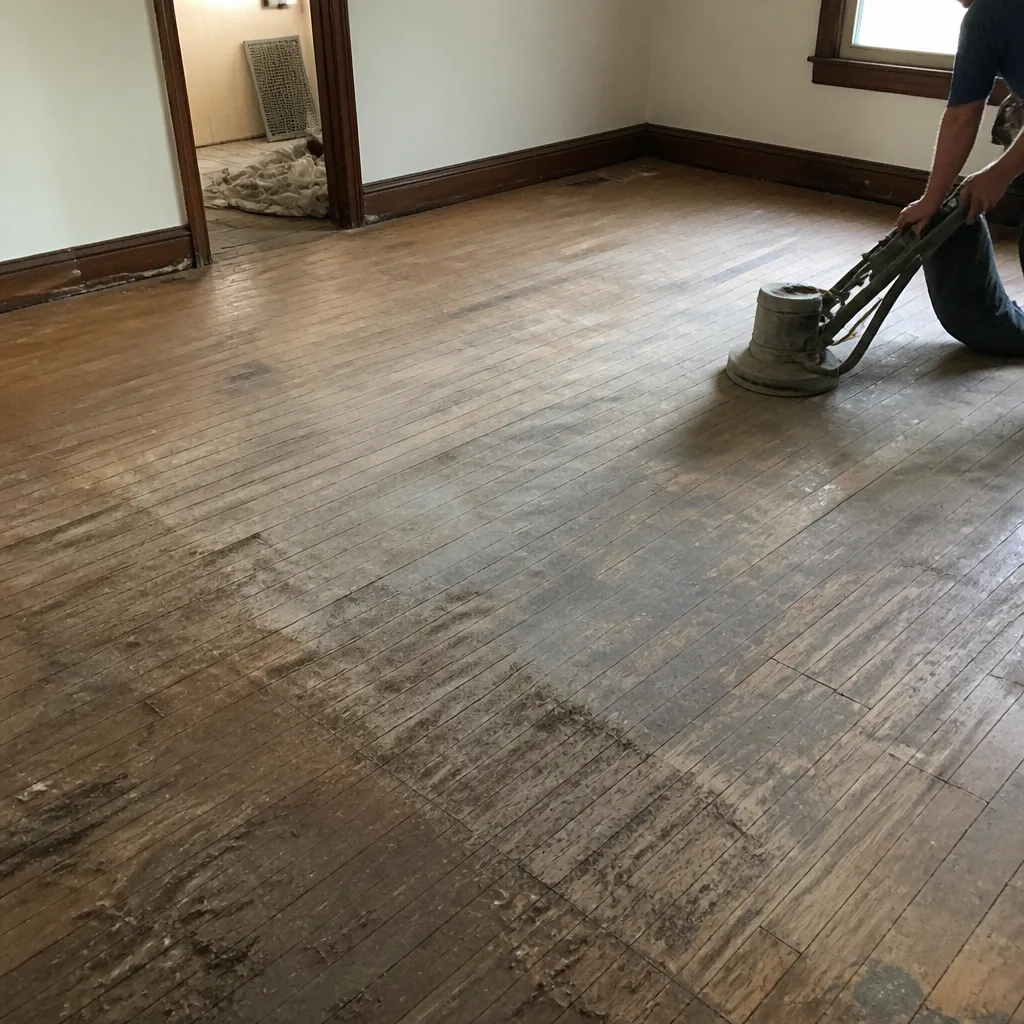 Before
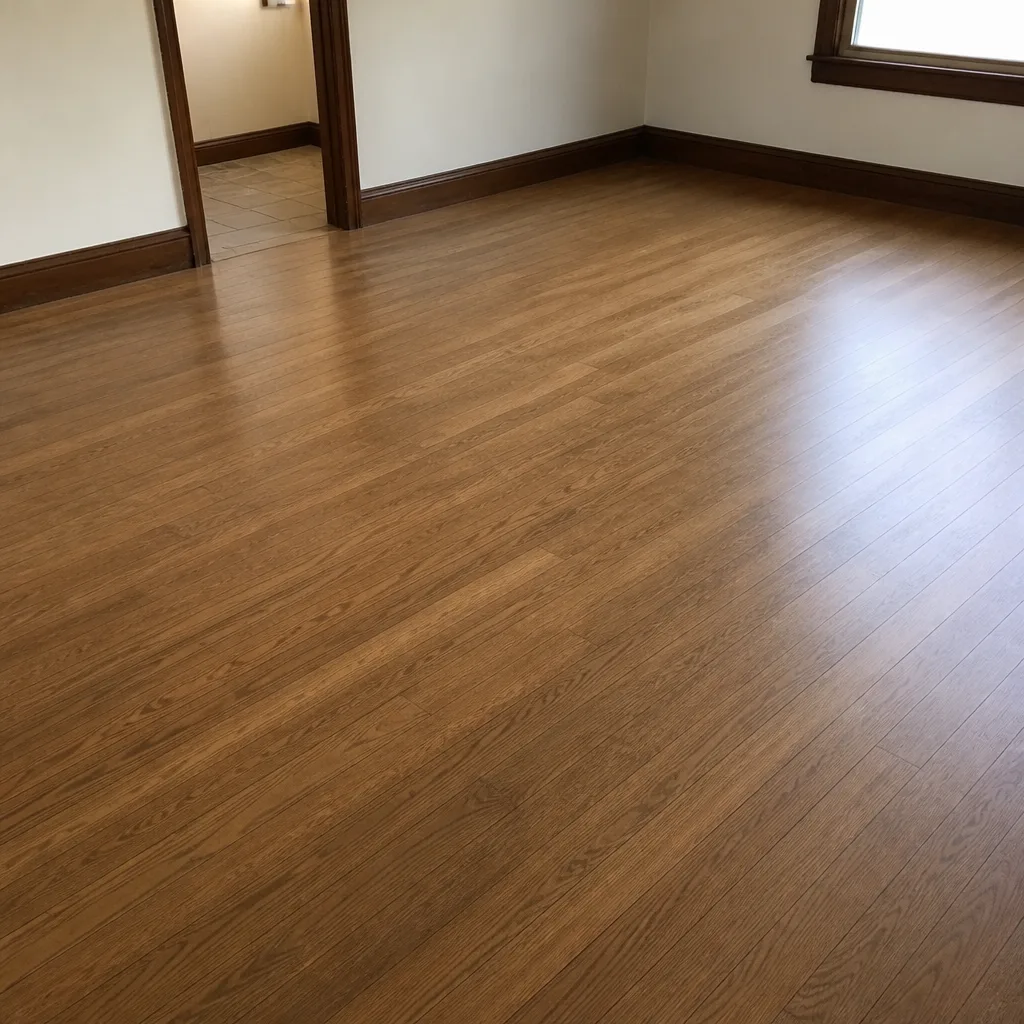 After
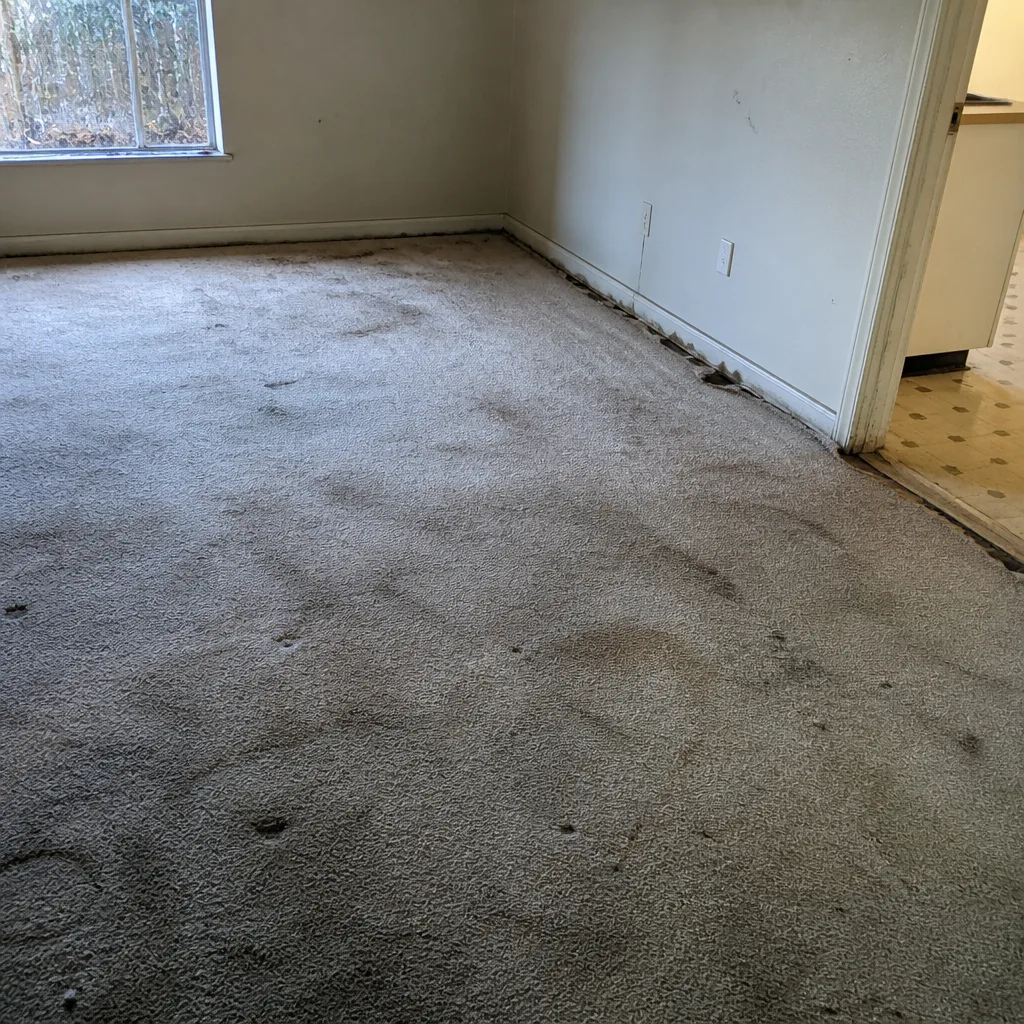 Before
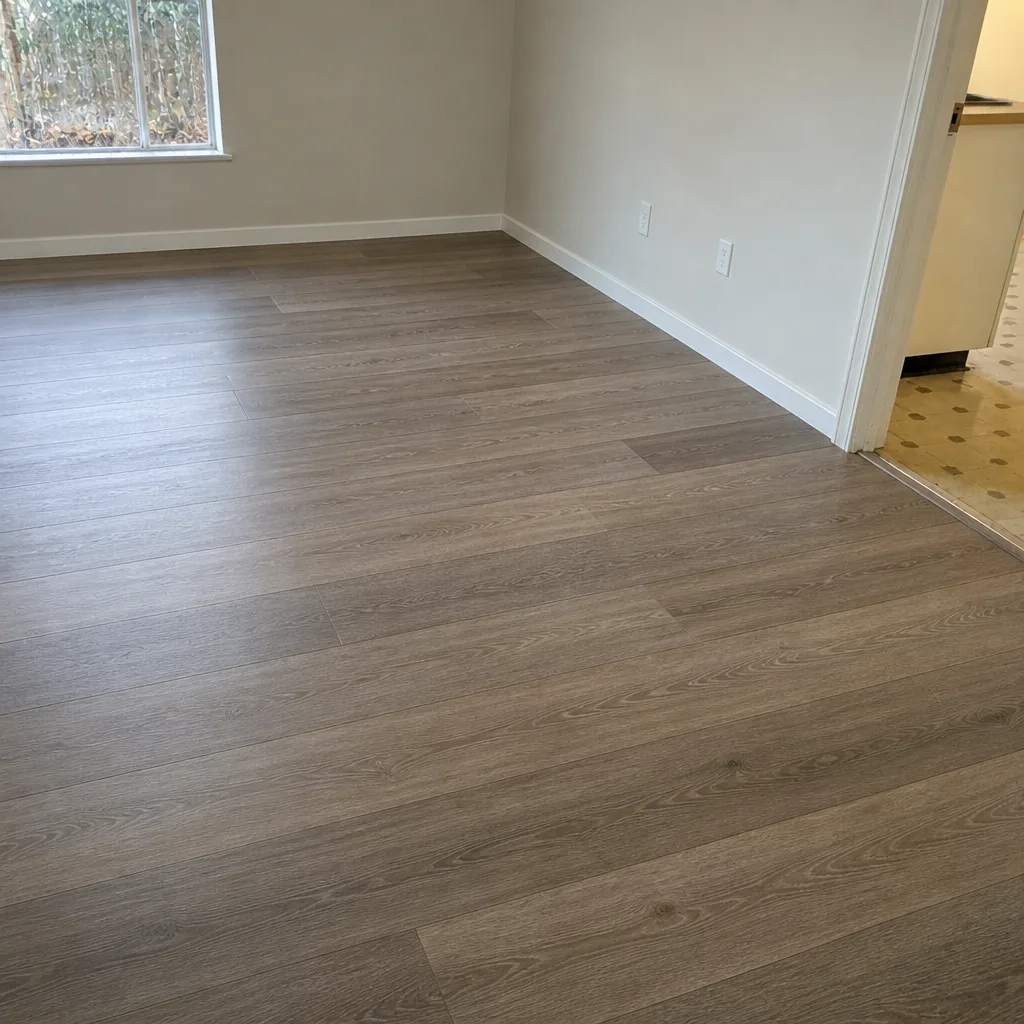 After
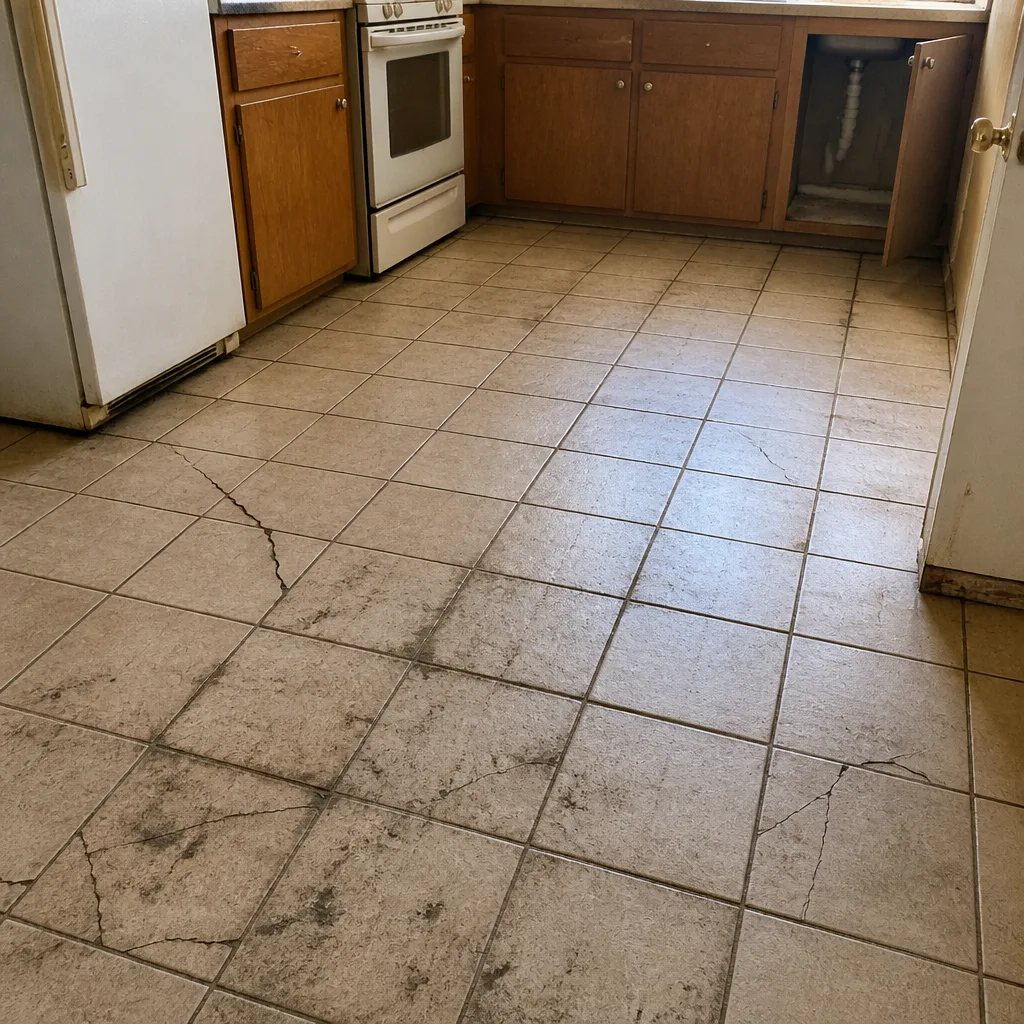 Before
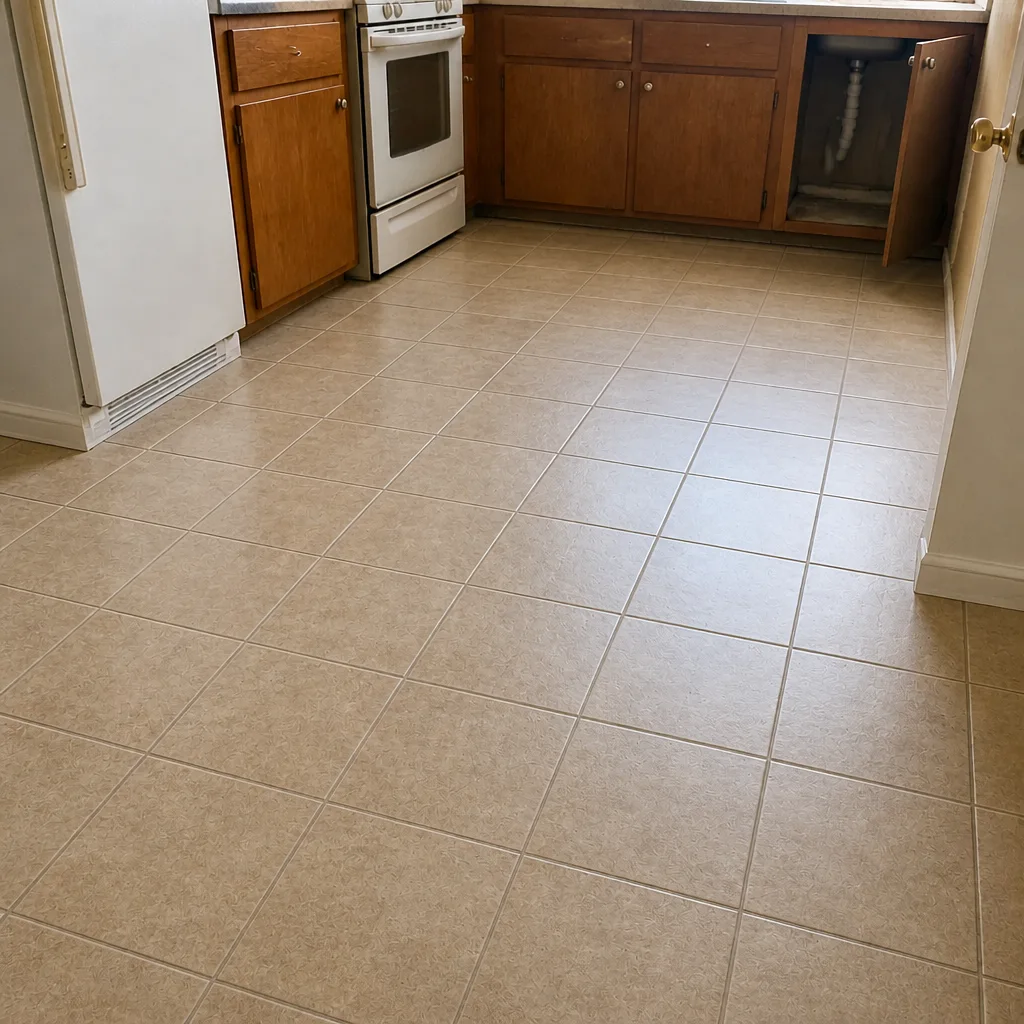 After
When to Call a Professional
The right time to call a flooring specialist is before you buy materials, not after. If your floor is more than one material (carpet in bedrooms, tile in the bath, wood in the living room), a specialist handles all three under one contract and one schedule. If you’re considering hardwood refinishing, a specialist can tell you whether the existing floor can be sanded or whether replacement is the only option. If you’ve already gotten a bid that looks vague, having a second professional look at it often saves more than it costs.
And if you’re moving into a Paradise home with worn flooring, or renovating and replacing floors throughout, the free estimate is the right first step. Carpet Installation Paradise offers free estimates in Paradise and across the surrounding valley. Call (844) 797-3061 to schedule yours. Our technicians have up to 12 years of experience, and the estimate visit includes measuring your rooms and talking through product choices before any money is discussed.
Frequently Asked Questions
Verify the license through the Nevada State Contractors Board’s public lookup. Confirm active status, the classification covering flooring or tile work, on-file liability and workers’ comp coverage, and that the business name on the license matches the one on your contract. Call (844) 797-3061 for a free estimate from a licensed specialist.
Flooring pricing is set per job by the written estimate and depends on square footage, material, and prep. There’s no honest single number; any contractor who quotes a total without measuring is guessing. The right move is to book a free estimate, get a written price and compare scope, not just totals. Estimates at Carpet Installation Paradise are free.
Yes. Our estimate visit is free, including room measurement and product discussion. Nothing is committed until you sign a written estimate. Call (844) 797-3061 to book yours.
A flooring specialist does floors all day, every day, which means clearer product knowledge, better handling of prep and transitions, and one company accountable for labor. A general contractor who also installs floors often subs the work, which blurs the warranty and the expertise. Ask any contractor to name their primary trade.
Installation timeline is set at the estimate visit and depends on square footage, material and prep work. Rather than promising a timeline up front, we’d rather measure, spec and schedule together. Book a free measure with carpet installation or another flooring category at (844) 797-3061.
Yes. The desert climate brings wide humidity swings and heavy sun exposure, which affect wood floors, carpet fading and slab moisture management. A specialist in Paradise can help you spec materials that fit the local climate. Call (844) 797-3061 for a free estimate.
The Bottom Line
Hiring a flooring contractor in Paradise comes down to three checkpoints: verify the license before discussing price, require a complete written contract with product model numbers and a payment schedule that keeps your final payment in your hands until inspection, and ask directly whether you’re hiring a specialist or a generalist. Medicare those three steps and most of the bad-hire risk disappears. The most common horror stories we hear start with a homeowner skipping one of them. The floor you choose matters, but the installer matters more. Do the vetting first, get the written estimate, and let the floor itself be the easy part.
Written by the team at Carpet Installation Paradise.