
Last updated November 18, 2026
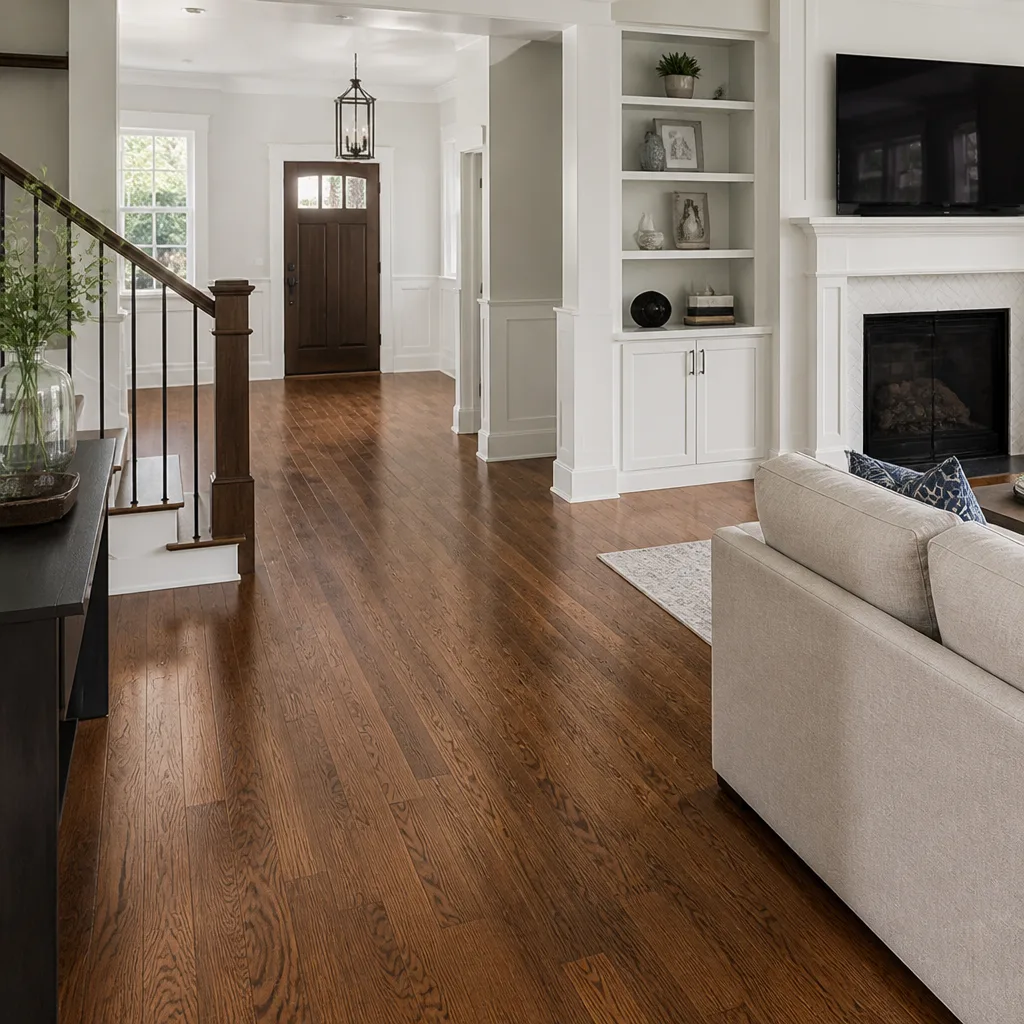 Hardwood
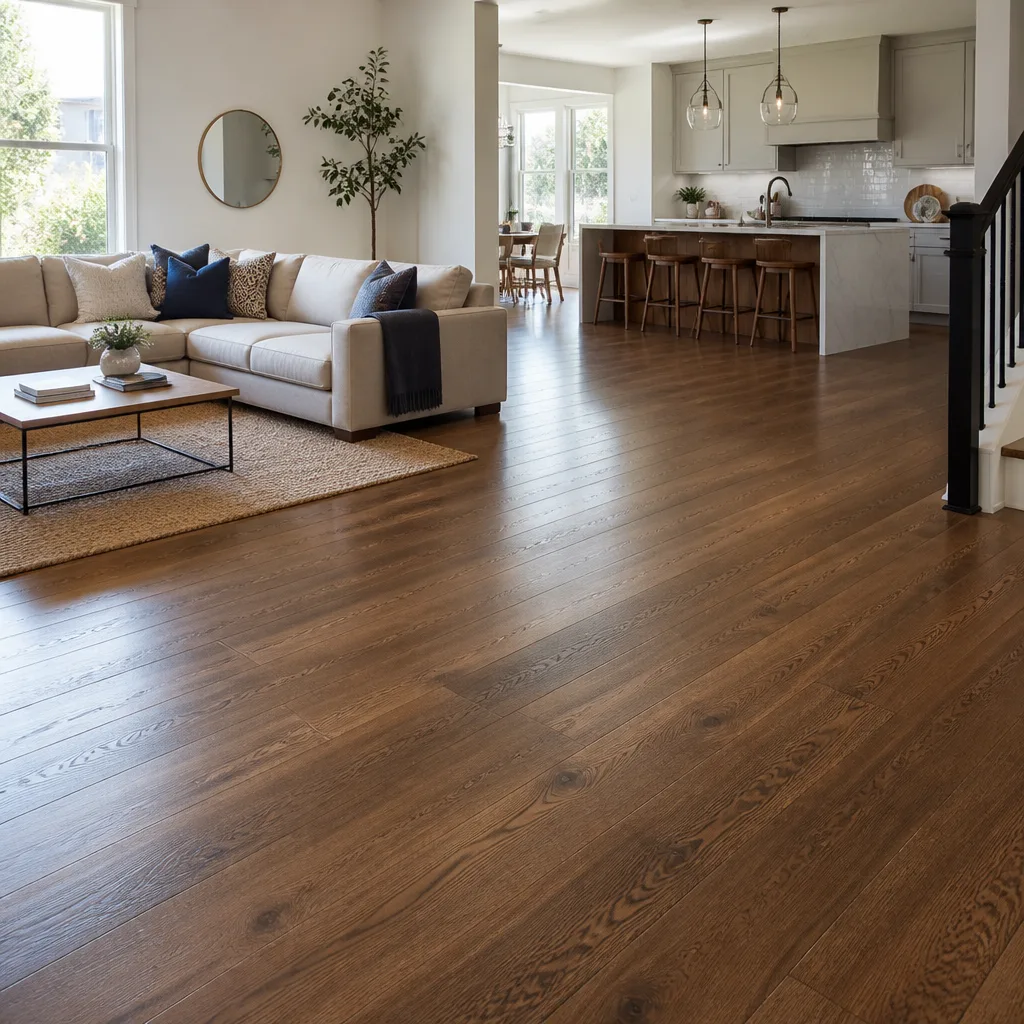 Engineered hardwood
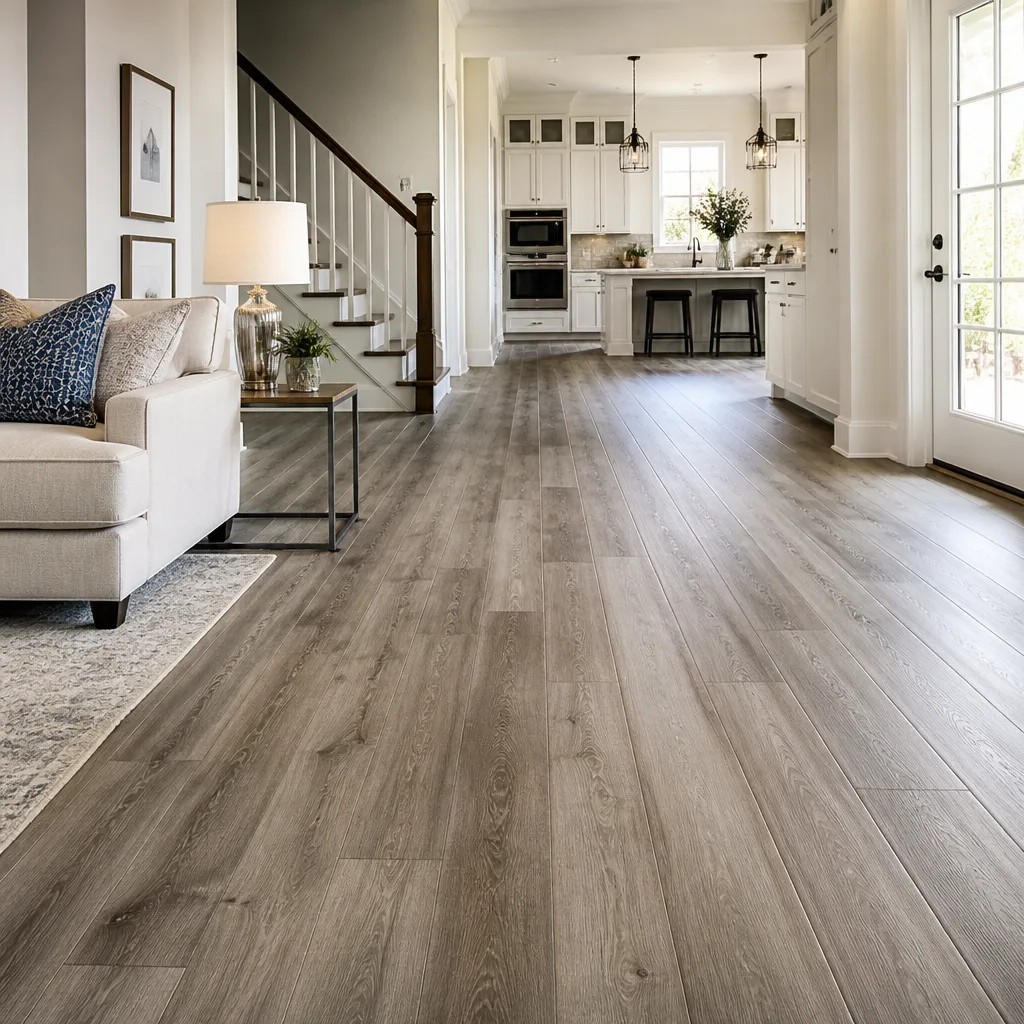 Luxury vinyl plank
 Laminate
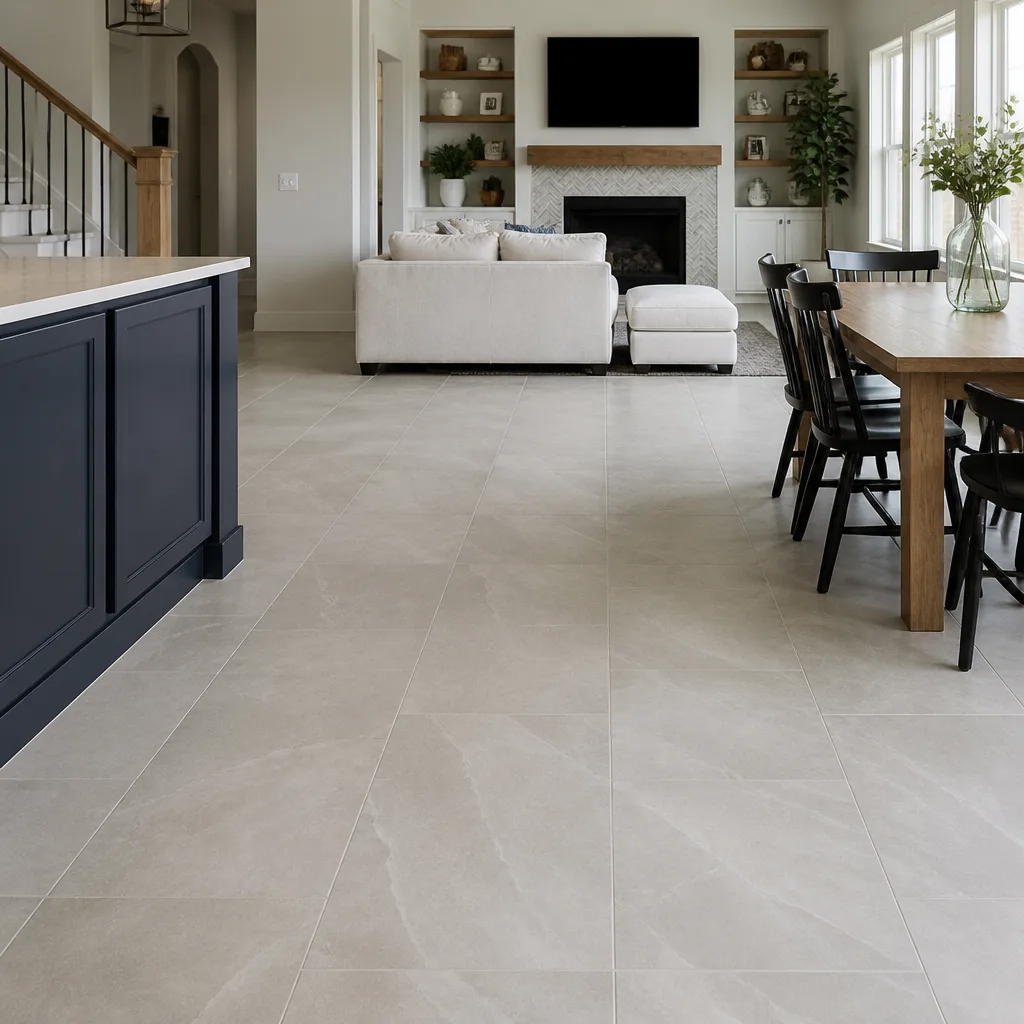 Porcelain tile
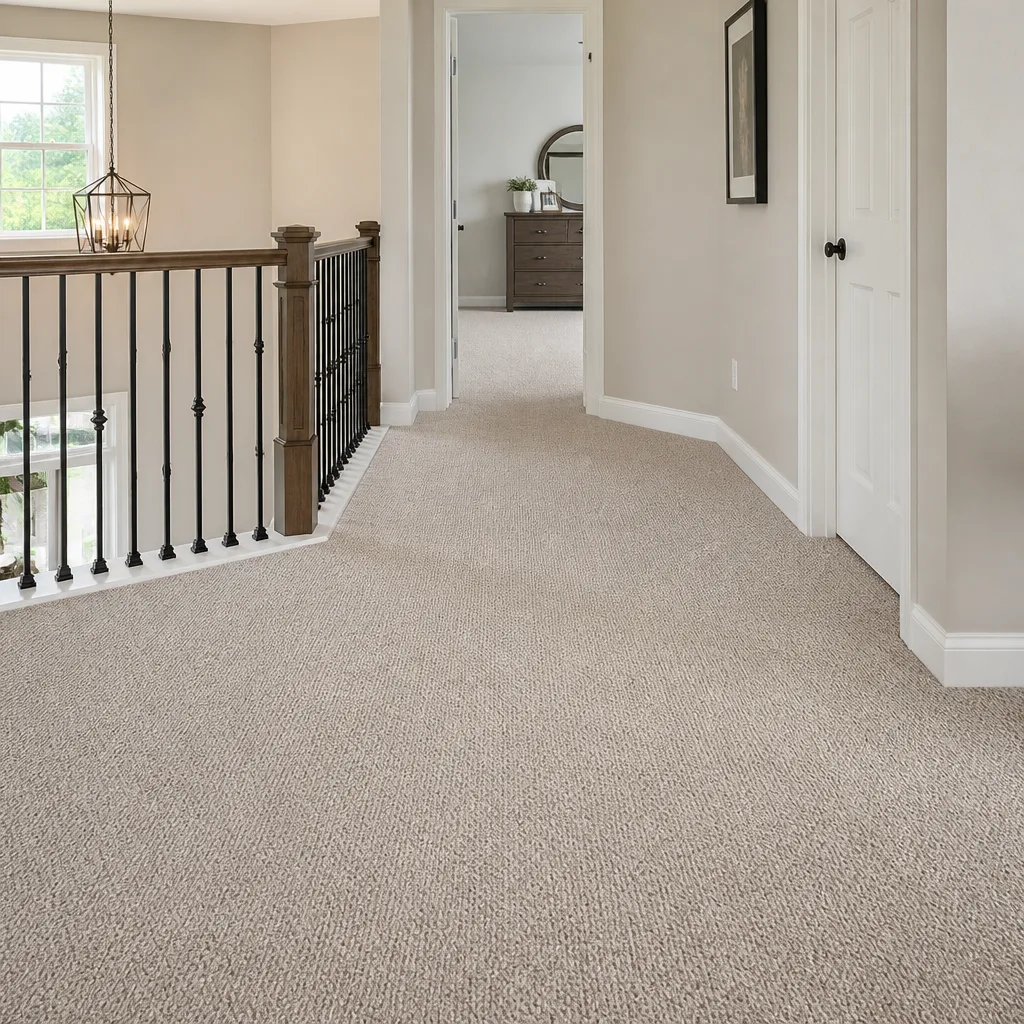 Carpet
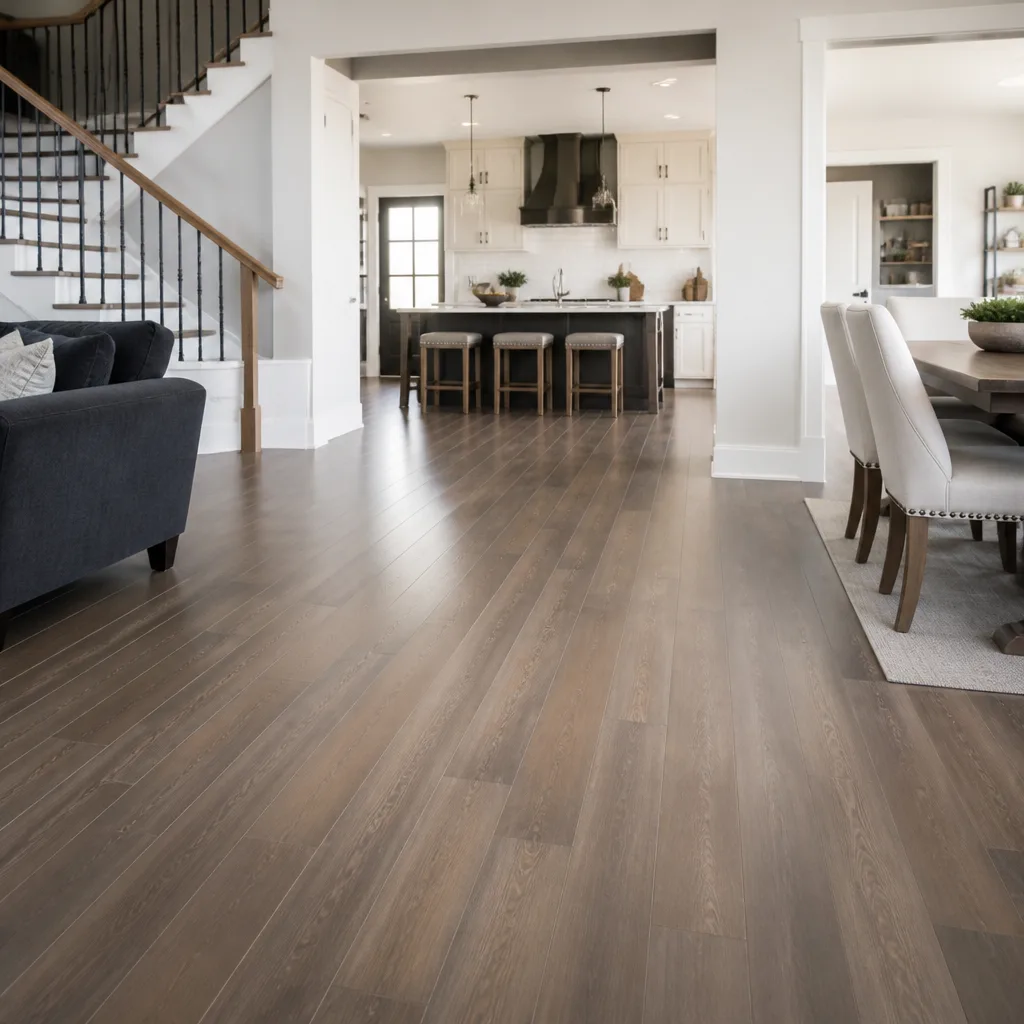 Shaw
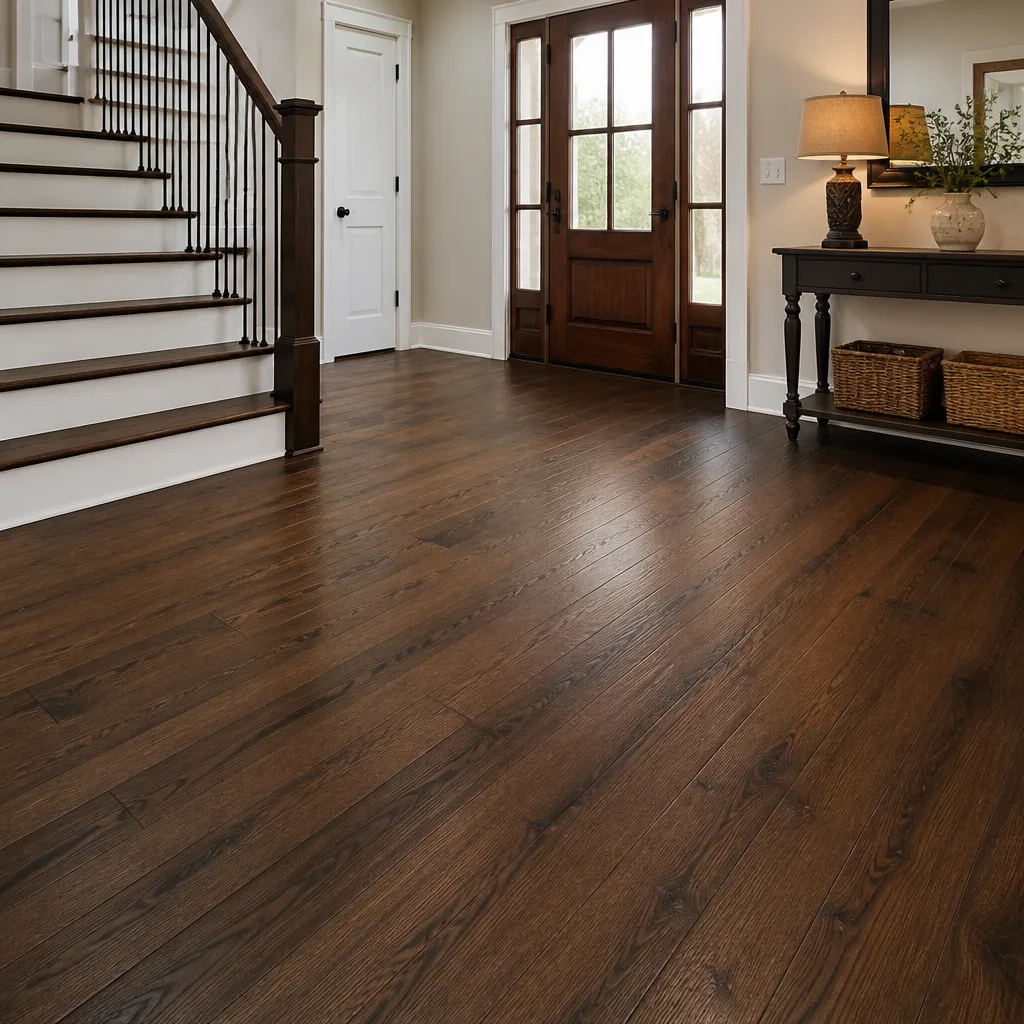 Mohawk
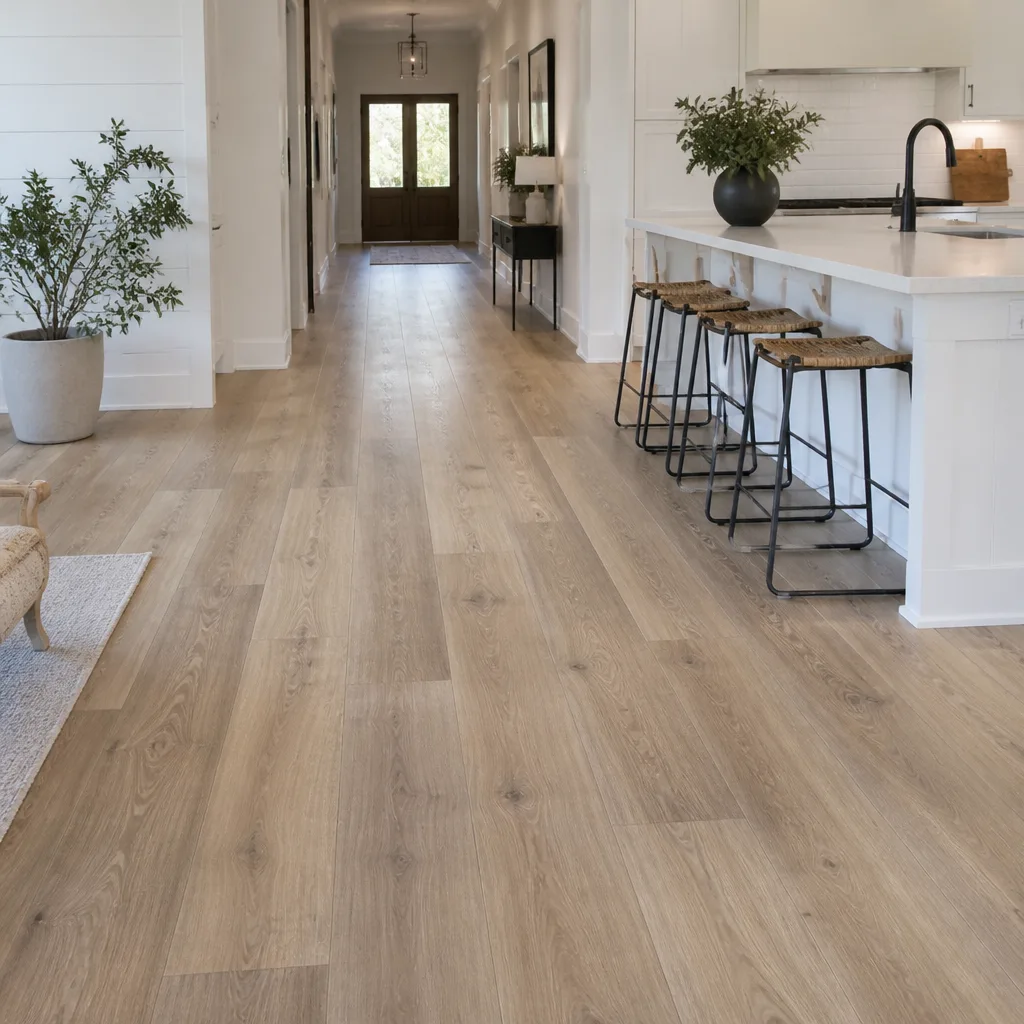 COREtec
 Pergo
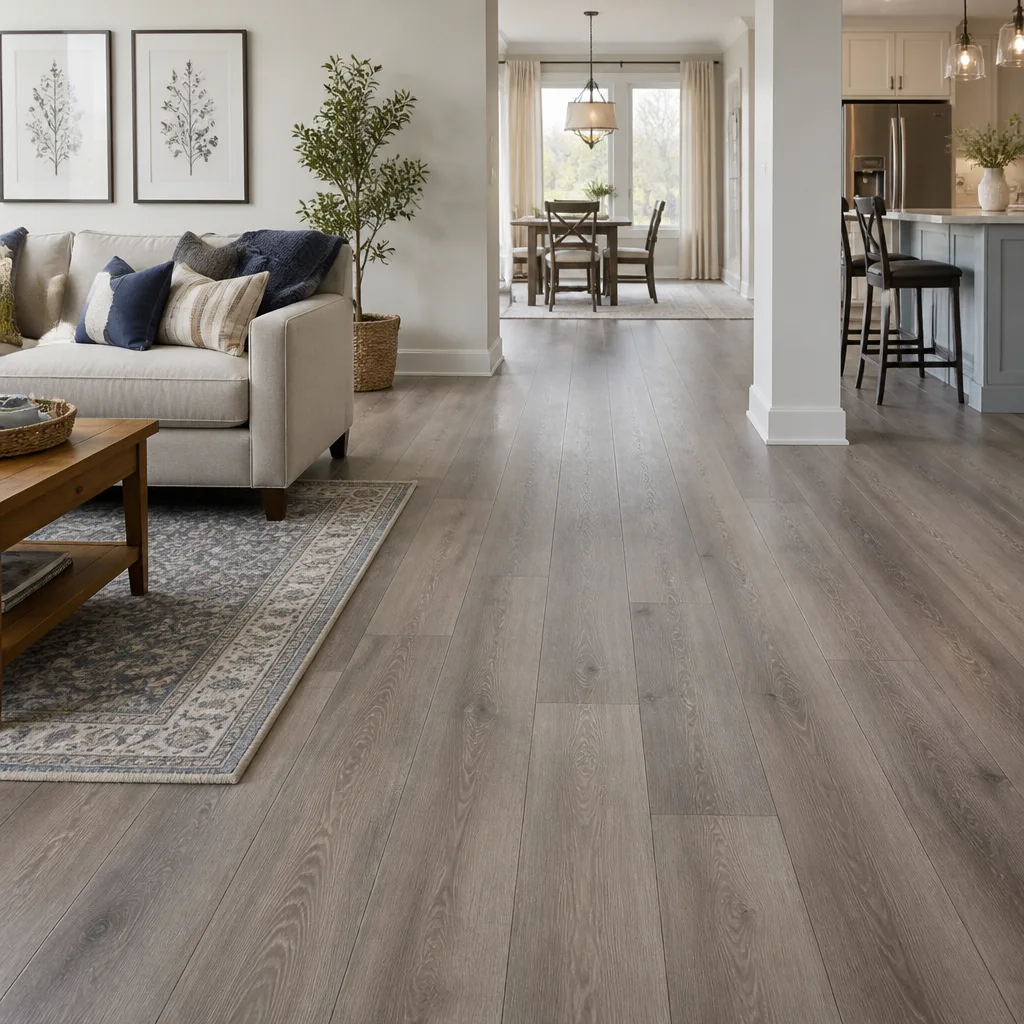
Free in-home measure and written estimate: Shaw, Mohawk, COREtec and Pergo lines compared on your own rooms, with carpet, tile, vinyl plank, laminate and hardwood laid out side by side
Get your free estimateHow to Care for New Flooring: Hardwood, Vinyl, Laminate, Tile and Carpet
Paradise tap water averages over 300 parts per million of dissolved minerals. That single fact rewrites most of what you’ll read in a manufacturer care guide written for the rest of the country. Mop a hardwood or luxury vinyl floor with that water and no rinse, and you leave a mineral film that dulls the finish faster than foot traffic ever would. Add fine desert grit tracked in daily and the humidity swings of aggressive AC cycling, and new floors in Paradise age on a different schedule than the same floors in a temperate climate. This guide walks through what actually matters here, product by product, with a care calendar you can follow month to month and year to year.
Quick Answer
Care for new flooring in Paradise by sweeping or vacuuming grit daily, mopping hard surfaces with distilled or filtered water plus a pH-neutral cleaner, and never leaving standing water on any floor. Run a humidifier through AC season to keep wood stable, and vacuum carpet with a HEPA machine before grit works into the backing. Deep cleaning schedules shift in a dry climate: steam cleaning carpet less often than wetter regions recommend, and waxing or resealing tile less often too.
Styles & brands we work with
- Hardwood
- Engineered hardwood
- Luxury vinyl plank
- Laminate
- Porcelain tile
- Carpet
- Shaw
- Mohawk
- COREtec
- Pergo
Table of Contents
- Why Hard Water Is the Biggest Threat to Hard Floors in Paradise
- Managing Desert Dust So It Doesn’t Sand Your Finish Away
- AC Cycling, Humidity Swings and What Wood Does About It
- Carpet Care in a Dry Climate: Static, Stiffness and Cleaning Frequency
- The Product-by-Product Care Calendar
- Cleaners That Help and Cleaners That Hurt
- When Care Isn’t Enough: Restore, Don’t Replace
Why Hard Water Is the Biggest Threat to Hard Floors in Paradise
Hard water is a maintenance problem, not a manufacturing one, and it’s the reason so many new floors in Paradise look tired long before they’re worn. Water in this valley carries heavy dissolved calcium and magnesium. When you mop and let the floor air-dry without rinsing, those minerals stay behind. Do that weekly and you build a cloudy film that scatters light and makes a satin finish look chalky. It isn’t dirt, so scrubbing harder only adds scratches.
The fix is simple and cheap. Use distilled or filtered water for routine mopping, add a pH-neutral floor cleaner made for the specific surface, and do a plain-water rinse pass on hard floors once a month. A microfiber mop with a clean, well-wrung head is the right tool. Soaking the floor defeats the purpose; you want the surface damp, never wet, and dry within a minute or two.
Products that accelerate the problem:
- Vinegar and water solutions. They etch grout and slowly dull the finish on vinyl and hardwood. Skip them on any finish you want to keep.
- All-purpose sprays with surfactants and oils. These leave residue that attracts dust, so the floor gets dirtier faster.
- Abrasive scouring pads on vinyl or laminate. They micro-scratch the wear layer, and every scratch holds mineral film.
- Steam mops on laminate and some luxury vinyl. Heat and moisture can work at seams. Ask before you use one.
If you’re not sure which cleaner is safe for a specific brand, the manufacturer’s care sheet is the final word. When we install a floor, we point the homeowner to that sheet and explain what the local water does to each surface. Our flooring installation team works with nine brands, from Mannington and Armstrong to Daltile and Karndean, and we’ll tell you plainly what care each one needs.
Managing Desert Dust So It Doesn’t Sand Your Finish Away
Desert dust here isn’t just annoying, it’s abrasive, and that’s the difference from a temperate climate. The fine grit that blows in across the valley has a particle size close to fine sandpaper. Tracked in on shoes and worked under foot traffic, it grinds at a finish layer the way a polishing compound grinds at paint. You won’t notice it in a week. You’ll notice it in a year, as dull traffic lanes and rough spots where furniture slides.
The countermeasure is placement and machine choice, not more cleaning product. Door mats catch most of the grit before it lands on the floor. A coarse outdoor scraper mat just outside the door and an absorbent indoor mat just inside will do more than any single tool you can buy for your floor.
What works, in practice:
- Sweep or vacuum the highest-traffic zones daily. Kitchens, entryways, and the path from the garage get the most grit.
- Use a HEPA-filter vacuum on hard floors with a soft brush head. Bristle beaters on hard surfaces scatter grit instead of lifting it.
- Vacuum carpet before you can see anything on it. Grit works down into the pile and abrades the fibers from underneath, where you can’t reach it once it’s set.
- Move doormats to where the traffic actually crosses. Walk your own path from the front door to the kitchen and place mats where the grit lands.
In a newer Paradise home with an open floor plan, one entry mat is rarely enough. We’ve seen finished floors hold up beautifully when the homeowner treats the entry as the first line of defense and worn down quickly in homes where dust just blows in.
AC Cycling, Humidity Swings and What Wood Does About It
Solid hardwood and engineered wood both expand and contract with indoor humidity, and in Paradise the air conditioning runs hard through the hot months. The cycle is predictable: dry indoor air in summer pulls moisture out of the wood, so the boards shrink, and dry indoor air in winter does the same because the heat is on. The result is the small seasonal gaps between boards that almost every wood floor in Paradise develops.
That’s normal movement, and it’s the floor doing what wood does. Here’s the line between normal and a problem:
- Gaps under a credit card’s thickness, and they close up when humidity rises. Normal seasonal movement. No action needed beyond keeping indoor humidity in a moderate band with a humidifier during AC season.
- Gaps that stay open across seasons, or widen year over year. Worth an inspection. Sometimes the floor is drying out, sometimes the subfloor is the issue.
- Crown or cup to the boards. The edges dip below the middle or the middle dips below the edges. This usually means moisture is getting in from above or below, and it’s the real signal to call someone.
- Cracks or splits along the grain, or creaking that gets worse in dry months. A sign that the floor has dropped past the point where seasonal movement explains it.
A whole-home humidifier or even a portable one in the main living area will prevent most of the winter crack and creak patterns. A hygrometer, a small humidity meter you keep on the wall, will tell you when to turn it on. Aim for a moderate indoor humidity reading; the exact number depends on the wood and the home, and the manufacturer’s care sheet sets the target.
Carpet Care in a Dry Climate: Static, Stiffness and Cleaning Frequency
Carpet behaves differently in a dry climate, and the difference shows up in three ways. Static electricity builds up more easily when relative humidity is low, so carpets in Paradise can throw sparks in winter and cling to socks and pet hair. Fibers dry out and feel a little stiffer to the touch, which many homeowners mistake for a quality problem when it’s really about moisture. And off-gassing from new carpet, which settles down over the first few weeks, lingers longer in a sealed house with the AC on, which is why ventilation matters more here than in wetter regions.
What that means for cleaning frequency:
- Vacuum more often, not less. Low humidity means dust and grit stay airborne longer and settle deeper into the pile. Weekly vacuuming is a floor; high-traffic zones want more than that.
- Steam clean less often than wetter climates recommend. With less ambient moisture in the air, a cleaned carpet dries faster, but the fibers are already dry. Every cleaning adds wear. Most carpet in a temperate climate wants a professional cleaning roughly once a year; in a dry climate, every 18 months to two years is often enough, and the manufacturer’s care sheet and your own traffic patterns set the real number.
- Use a humidifier in the home. It cuts static, keeps fibers supple, and makes the whole house feel better through AC season.
- Blot spills, don’t scrub. Scrubbing frayed fibers is the single most common way carpet damage starts. Blot from the outside in, with plain water first, then a cleaner approved for the fiber.
- Rotate rugs and furniture. Sun through a west-facing window is brutal in Paradise. A rug in direct sun fades in one spot, fast. Turn it or pull the blinds.
When you install new carpet installation, the brand’s care sheet is the final word on products and frequency. Shaw and Mohawk both publish detailed ones, and we hand them out at install.
The Product-by-Product Care Calendar
A calendar is easier to follow than a pile of advice, so here’s what we recommend by surface, breaking care into what to do monthly, annually, and at the three-to-five-year mark. Treat it as a starting point: the brand’s care sheet and your home’s specific traffic set the final schedule.
Hardwood
- Monthly: dry-dust with a microfiber pad, vacuum with a soft head, damp-mop with filtered water and a pH-neutral wood cleaner.
- Annually: check humidity and gaps; add a humidifier in dry months; inspect high-traffic areas for finish wear.
- 3 – 5 years: a screen-and-recoat can refresh worn finish in traffic lanes without a full sand. Have a specialist look at the floor before the finish wears through to bare wood.
Luxury Vinyl (LVP / LVT)
- Monthly: sweep or vacuum grit, mop with filtered water and a vinyl-approved cleaner.
- Annually: rinse-mop the entire floor to strip mineral film; check seams and edges for moisture.
- 3 – 5 years: a deep clean and a walk-through for wear. COREtec and LifeProof both publish care guidance that fits this rhythm.
Laminate
- Monthly: dry-mop or vacuum with a soft head; damp-mop only enough to lift dust.
- Annually: inspect edges and seams for swelling; reseal edges if the finish has worn there.
- 3 – 5 years: check for cupping at edges and joints. Laminate is not waterproof, so any swelling means the moisture source needs fixing.
Tile
- Monthly: sweep, then mop with filtered water and a pH-neutral tile cleaner; scrub grout with a soft brush.
- Annually: clean grout more thoroughly and check for cracking. In Paradise, mineral deposits on tile are common, so a rinse pass matters.
- 3 – 5 years: reseal grout if it’s the type that needs sealing, and inspect for loose tile or cracked grout around wet areas.
Carpet
- Monthly: vacuum high-traffic zones weekly and the whole house monthly; spot-treat spills immediately.
- Annually: deep vacuum, rotate rugs and furniture, inspect the padding. In Paradise, a professional cleaning every 18 months to two years is often enough.
- 3 – 5 years: a professional steam clean and a walk-through of traffic patterns. If the padding has flattened in paths, that’s the sign it’s ready.
For a mixed-floor home, the calendar is one sheet of paper. Our tile flooring installation and carpet and hardwood work are all handled by the same specialist, so the care advice is coordinated rather than piecemeal.
Cleaners That Help and Cleaners That Hurt
Most floor damage we see in Paradise homes doesn’t come from foot traffic. It comes from the wrong cleaner used too often. The rule of thumb: match the cleaner to the finish, dilute it properly, and rinse when you’re done. Anything that relies on acid, oil, or grit to do the work is a bad bet on any new floor.
Safe for every surface we install: pH-neutral cleaners from the floor’s manufacturer, distilled or filtered water, microfiber tools, and a plain-water rinse pass.
Bad for one or more surfaces:
- Vinegar on grout, stone, and hardwood.
- Wax-based cleaners on luxury vinyl or laminate. They trap grit and cloud the finish.
- Disinfecting bleach solutions on wood or laminate.
- Oil soaps on any finish that was sealed with polyurethane.
If you’re unsure, call the brand’s care line or ask us. A wrong cleaner on a brand-new floor is a phone call worth making before the first mop.
When Care Isn’t Enough: Restore, Don’t Replace
Some floors reach a point where care is no longer the question. Finish has worn through to bare wood in traffic lanes. Gaps have widened and stayed open. A tile cracked from an impact. Carpet has flattened in every pathway. The good news is that a worn wood floor is often a refinish away from looking new, and refinishing costs less than tearing out and starting over.
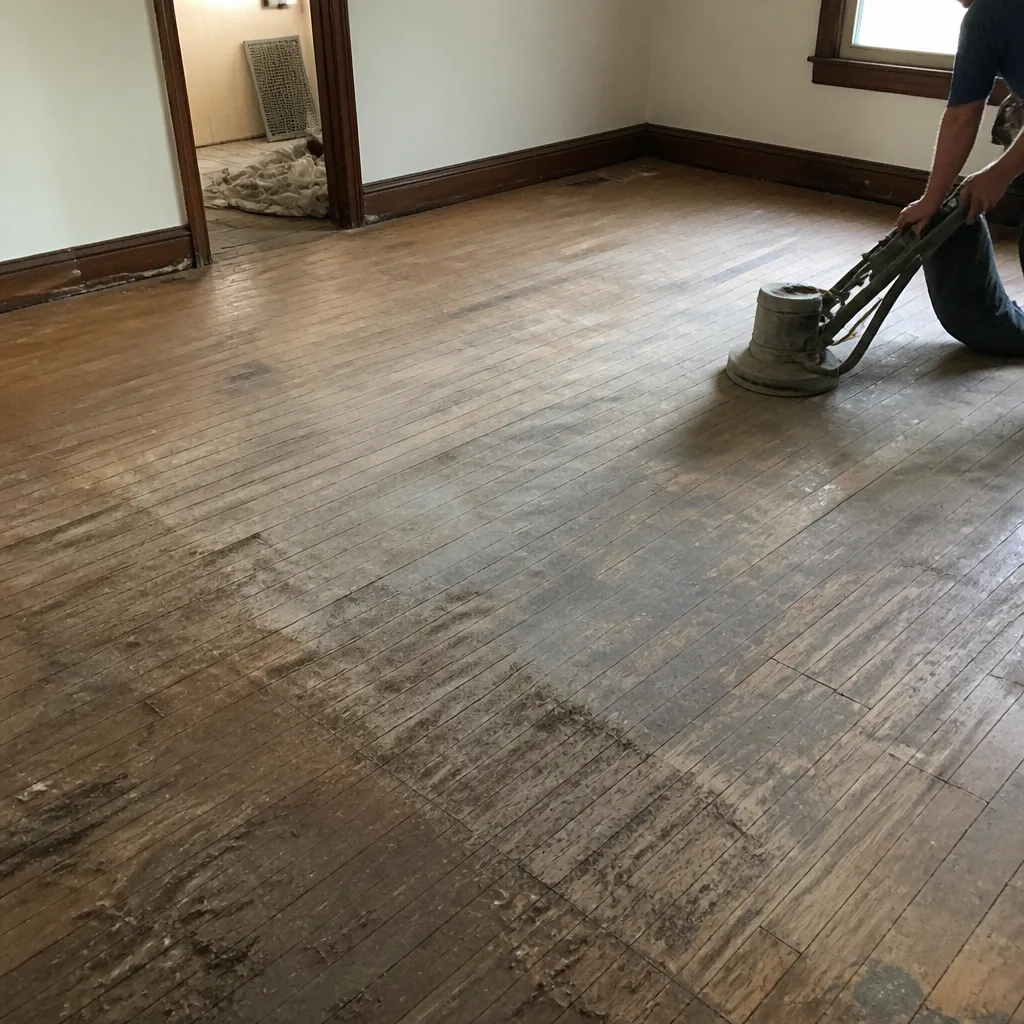
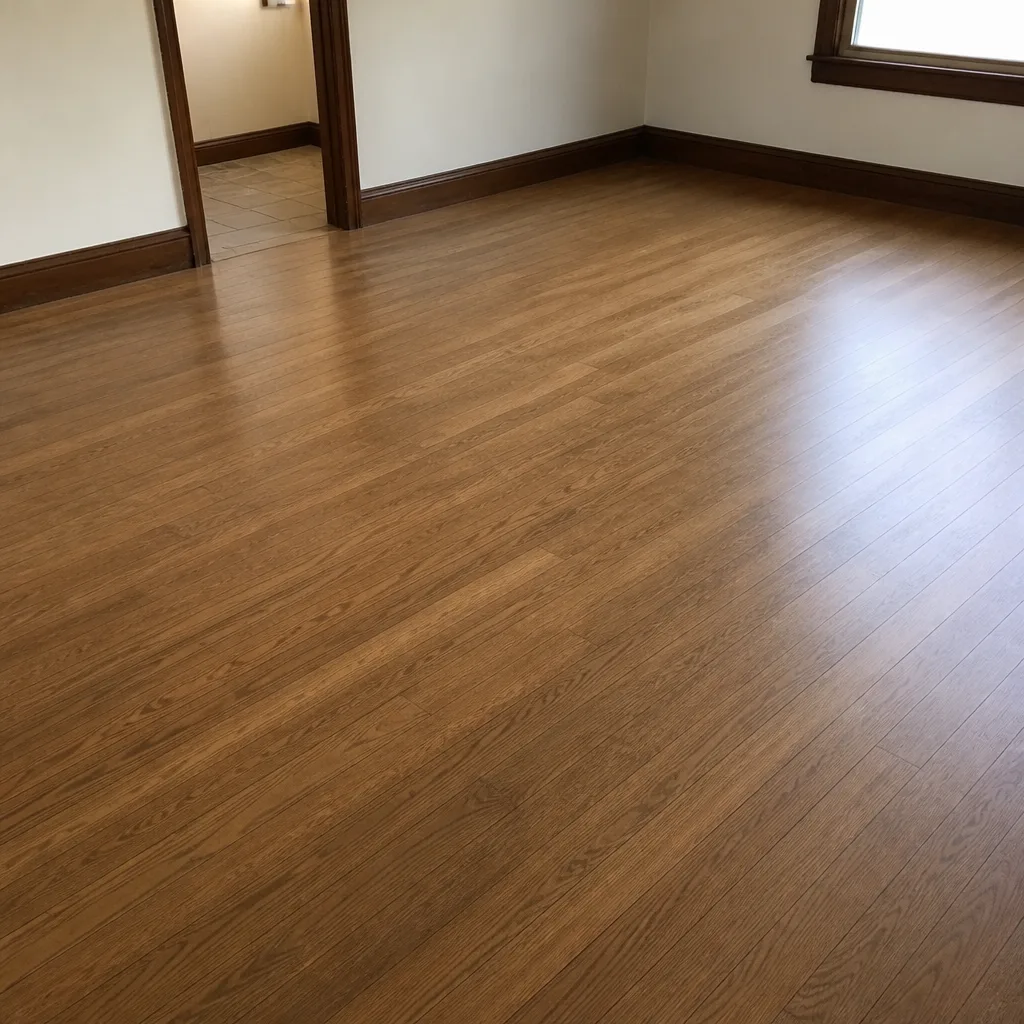
What hardwood refinishing actually involves: the existing finish and a thin layer of wood get sanded back, the floor is stained to the color the homeowner chooses, and a new finish is applied. It’s a job for a specialist, not a weekend rental. Whether a specific floor can be refinished depends on the thickness of the wood and its condition, and that’s something we check at the estimate visit. Some floors have plenty of wood left to sand; some don’t.
Tile rarely needs full replacement. A cracked tile can often be swapped. Grout can be cleaned and resealed. Luxury vinyl and laminate that have failed at the seams or edges usually need to be replaced in sections rather than the whole floor. When a floor is past refinishing, we say so and walk through the replacement options.
If you’re in Paradise and your floor is at either of those decision points, the estimate visit is the place to sort it out. We bring the brand knowledge to the table, whether that’s Mannington, Armstrong, Karndean, or a Daltile tile match, and we tell you which one fits what you’re dealing with.
Common Mistakes to Avoid
- Mopping with tap water and no rinse. In Paradise, tap water carries heavy minerals. Without a rinse pass, that film builds up and dulls the finish in months. Use filtered or distilled water instead.
- Using a steam mop on laminate. Laminate edge seams aren’t designed to handle heat and moisture. Swelling at the seams is the first sign; it isn’t reversible once it starts.
- Vacuuming hard floors with a beater brush. The brush scatters grit and throws it against baseboards and walls. Use a soft head or a dedicated hard-floor setting.
- Ignoring humidity in the summer. AC dries the indoor air and opens up wood gaps. A $30 hygrometer and a humidifier prevent most winter creak patterns before they start.
- Scrubbing a spill on carpet. Scrubbing frays fibers and pushes the spill deeper into the pile. Blot and let the carpet do the work.
- Placing a mat at the entry but not inside. Outdoor mats scrape grit, but they don’t absorb it. You need both an outside scraper and an inside absorbent mat in Paradise’s dust.
- Buying a “floor shine” product for luxury vinyl. These products add a film that traps grit and looks worse over time. Stick with the manufacturer’s pH-neutral cleaner.
Avoiding these is most of the battle. For a proper checkup or for a new floor installed correctly the first time, our team has seen all of these, and we’re happy to point out what to watch for in your specific home. We answer 24/7. Fast dispatch from 7am to 7pm, Sunday through Friday.
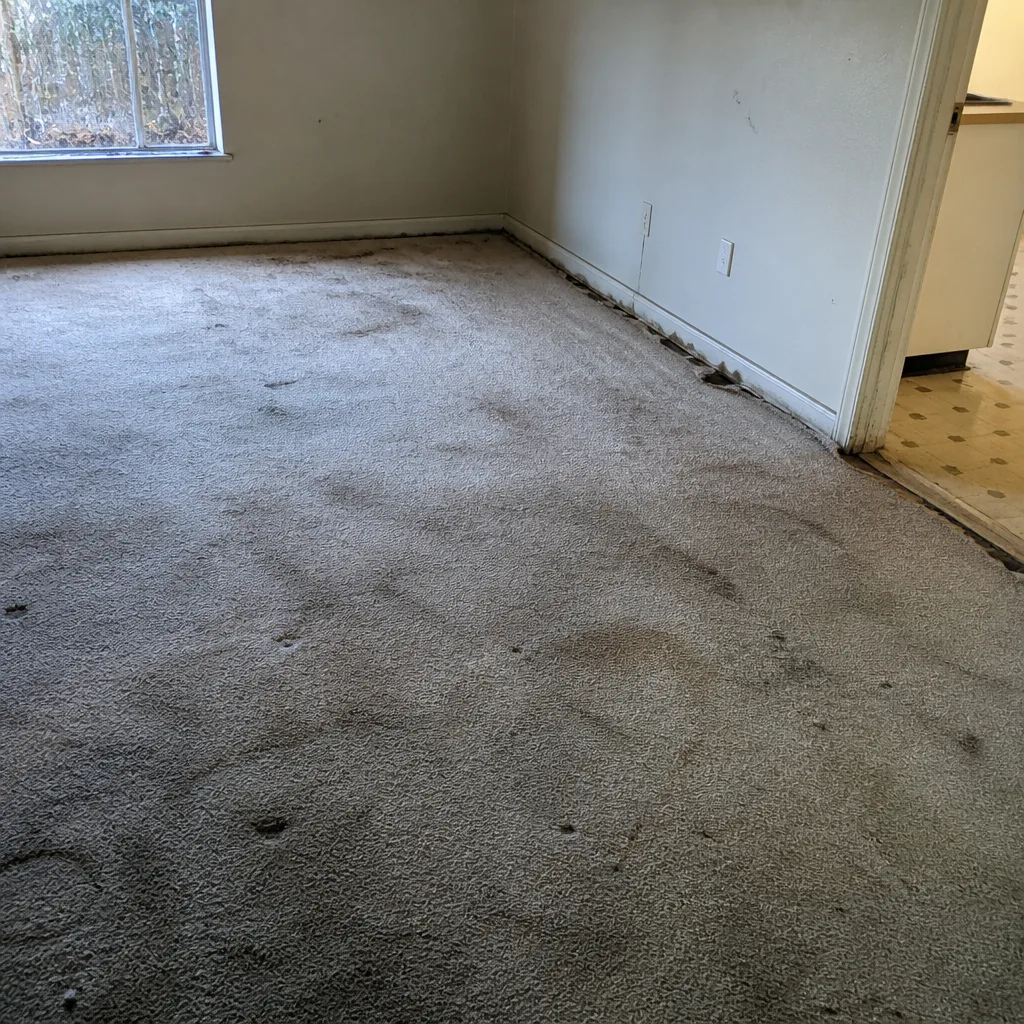
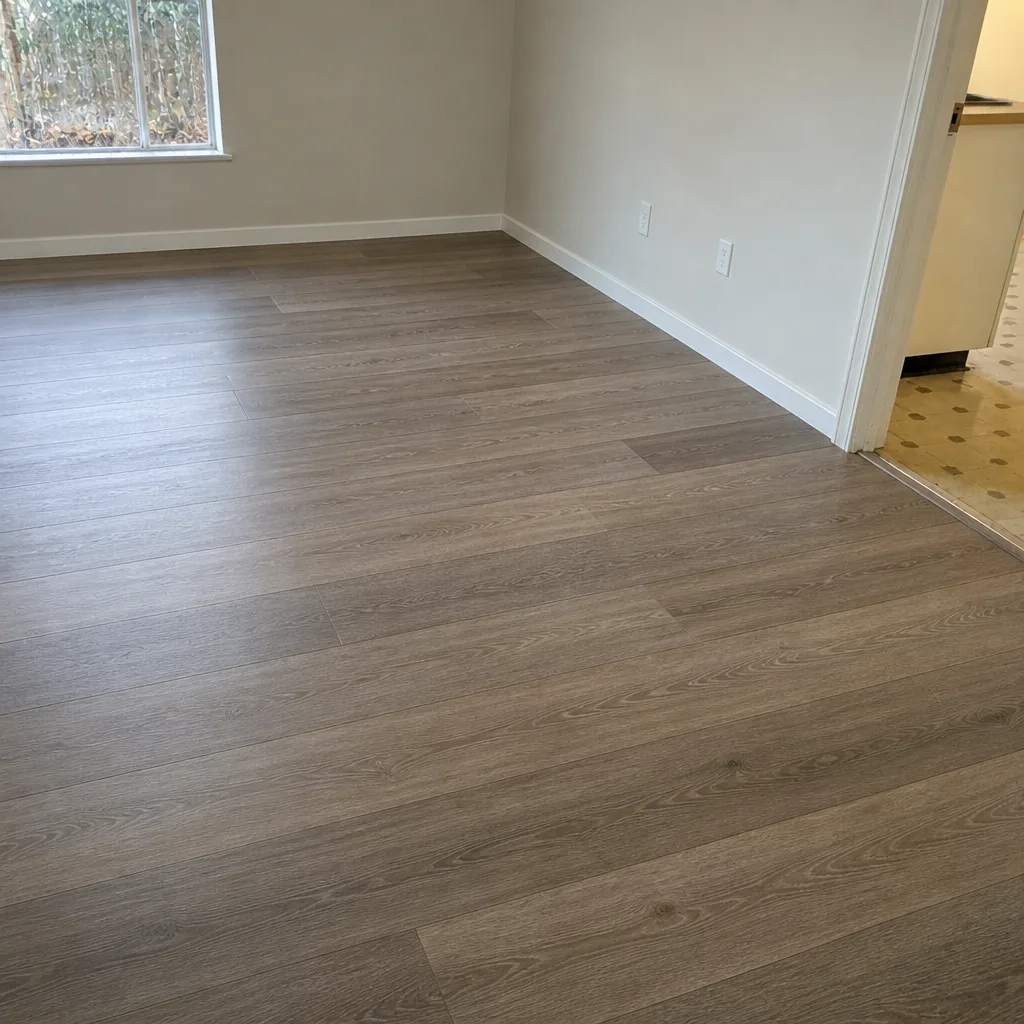
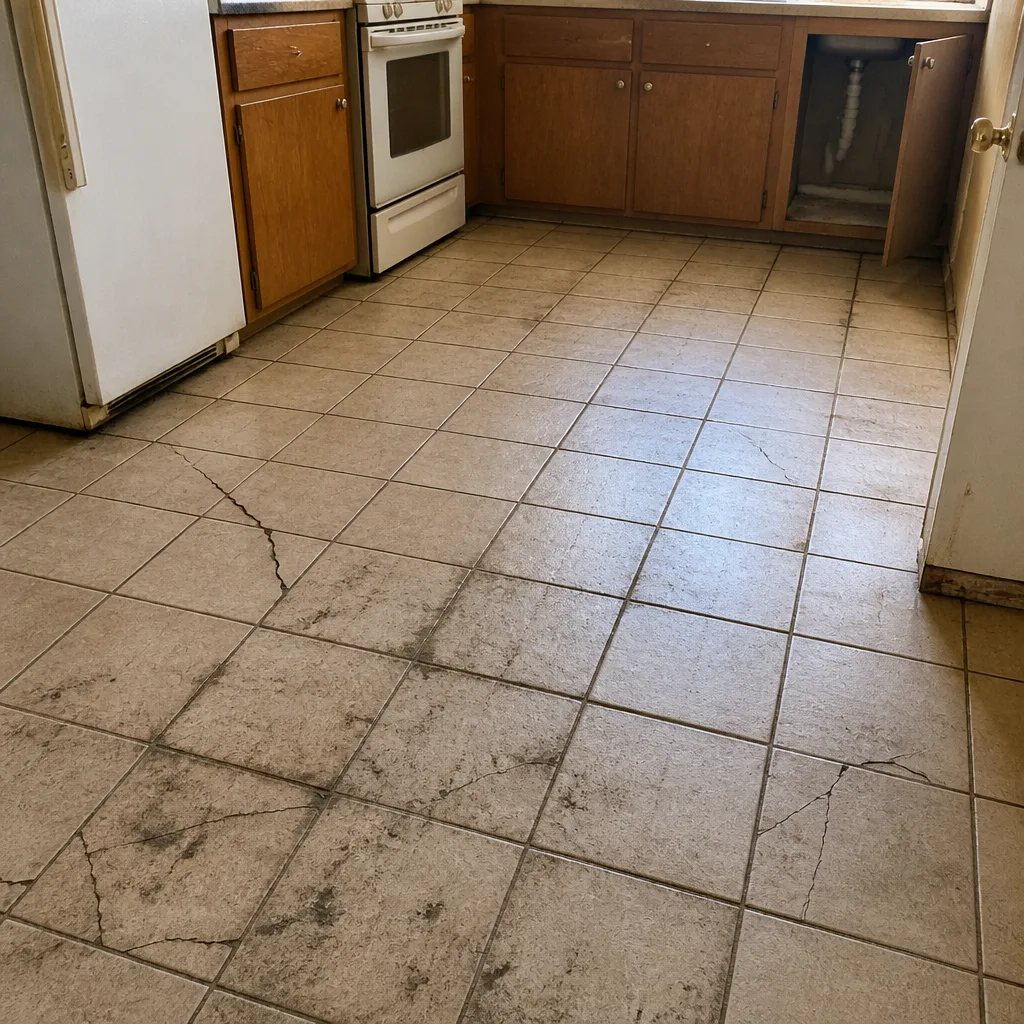
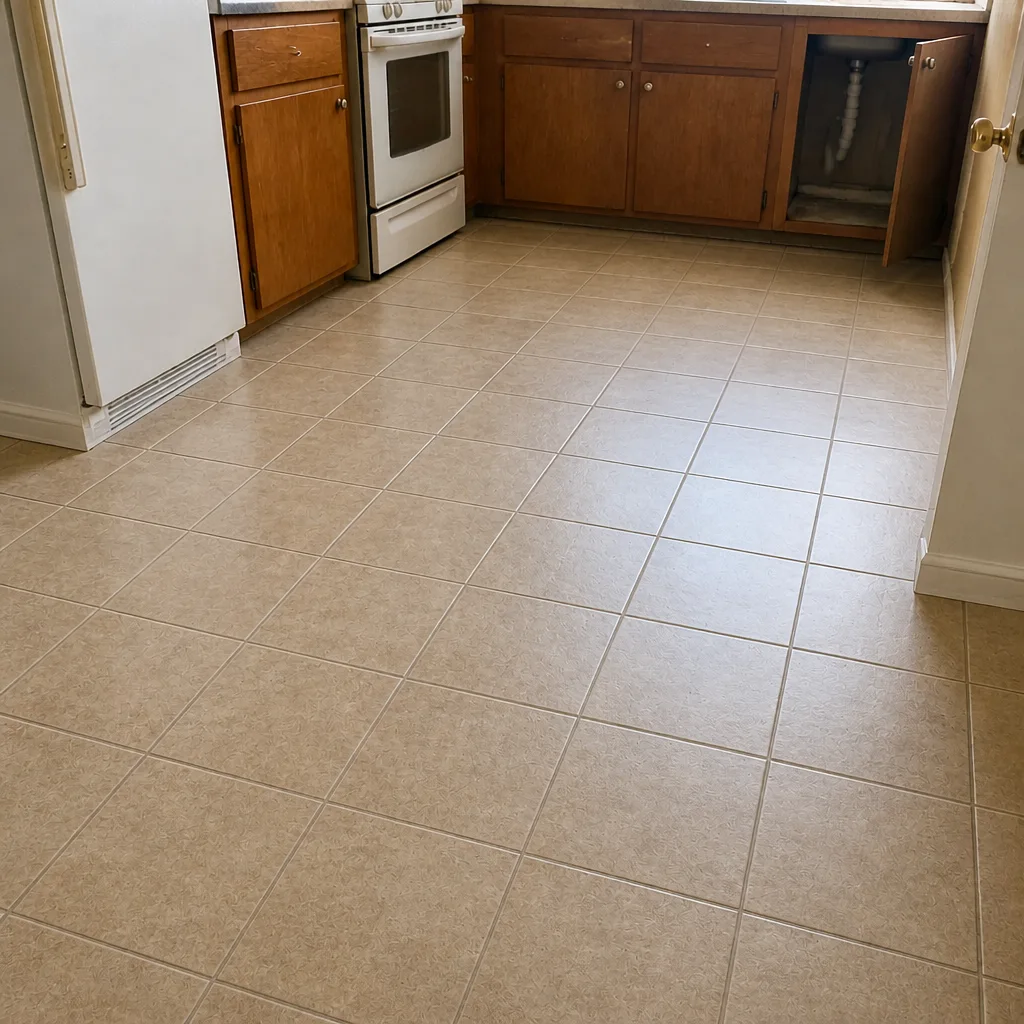
See the difference
 Before
 After
 Before
 After
 Before
 After
When to Call a Professional
Most floor care is a homeowner job. Some isn’t. Call a flooring specialist if any of these apply:
- A wood floor has developed gaps that stay open across seasons, or boards that cup or crown.
- The finish on a wood floor has worn through in a traffic lane and bare wood is showing.
- Laminate has swelled at the seams, or a tile has cracked or come loose.
- Carpet has flattened in high-traffic pathways or a stain won’t lift with a proper blot and approved cleaner.
- A new floor is showing damage soon after installation, which might be an installation issue rather than a care issue.
- You’re planning new floors and want to know which surfaces hold up best in this climate.
Avoid calling a general handyman for a floor evaluation. The right person knows the product as well as the installation, and can tell you whether your floor is fixable, refinishable, or due for replacement. Call (844) 797-3061. We answer 24/7. Fast dispatch from 7am to 7pm, Sunday through Friday.
Frequently Asked Questions
Dry-dust or vacuum weekly and damp-mop with filtered water and a pH-neutral cleaner every two to four weeks. In Paradise, the mineral content of the water is the biggest variable. Rinse-mop with plain filtered water once a month to keep film from building up. If you’re unsure which cleaner is right for your finish, the brand’s care sheet settles it. Call (844) 797-3061 for a free estimate if your floor is past cleaning and needs refinishing.
Not recommended on most luxury vinyl. Heat and moisture can work at seams and edges, especially on LVP with a click-lock system. Use a microfiber mop with a pH-neutral vinyl cleaner instead. If your floor was a specific brand, the care sheet says which methods are safe. For a floor that’s already showing seam issues, call (844) 797-3061 for a free estimate.
Wood shrinks as indoor humidity drops, and gaps in the dry season are normal movement. In Paradise, the AC cycles hard enough that many new floors show small gaps in the first year. If gaps stay open, cup, or widen year over year, it’s worth an inspection. Call (844) 797-3061 and we’ll look at it during a free estimate.
Every 18 months to two years is often enough in Paradise, compared with annual cleaning in wetter climates. Vacuuming frequency matters more than steam cleaning frequency here, because less ambient moisture means fibers dry faster and wear from repeated cleaning adds up. The brand’s care sheet and the home’s traffic patterns are the final word. Call (844) 797-3061 for a free estimate on replacement carpet if yours is worn through.
Those brands market specific products as waterproof through a waterproof core, and the manufacturer’s documentation is the final word on any given product. Even a waterproof product doesn’t handle standing water or moisture from below; if water sits, deal with it right away. If a floor has been flooded, call (844) 797-3061 for a free inspection before you replace anything.
We answer 24/7 and can typically schedule an in-home estimate quickly; the exact timing depends on the current calendar, and a call outside dispatch hours is booked into the next opening, Sunday through Friday, 7am to 7pm. The estimate itself is free, with no obligation, and it covers care questions as well as installation. Call (844) 797-3061 to schedule yours.
The Bottom Line
Flooring care in Paradise comes down to three local factors: hard water, desert grit, and AC-driven humidity swings. Filter your mopping water and rinse monthly. Use both outdoor and indoor entry mats and vacuum high-traffic zones before grit works into a finish. Watch wood through the dry season with a hygrometer and a humidifier, and know the line between normal gaps and a real problem. Match your cleaner to the surface, vacuum carpet more than you think you need to, and steam clean less than a wetter climate would suggest. Do those things and a new floor from carpet to tile to hardwood will last the way it was built to.
If you’re ready for a new floor or your existing floor is past what care can fix, call (844) 797-3061 for a free estimate. We answer 24/7. Fast dispatch from 7am to 7pm, Sunday through Friday. Nine brands, one specialist, and a written estimate before a single board is lifted. Our technicians have up to 12 years of experience.
Written by the team at Carpet Installation Paradise.