
Last updated November 18, 2026
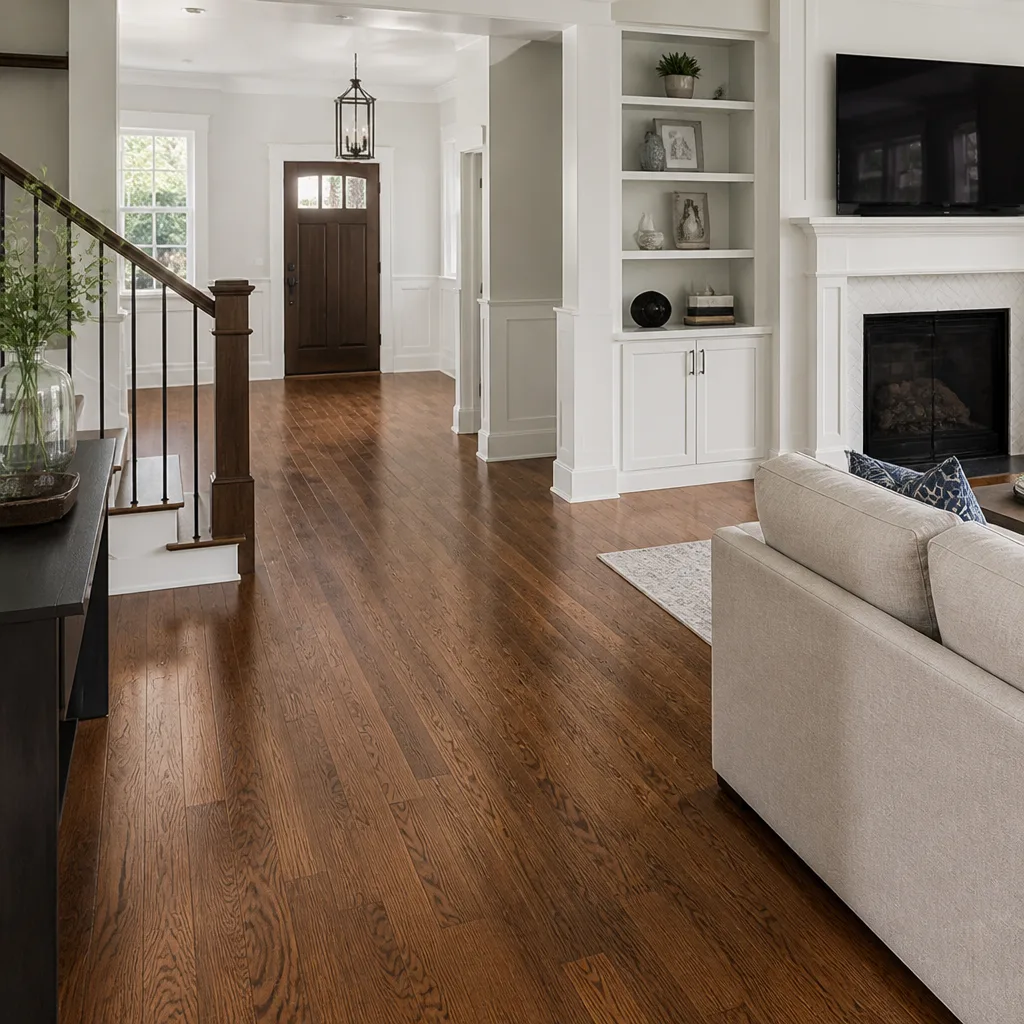 Hardwood
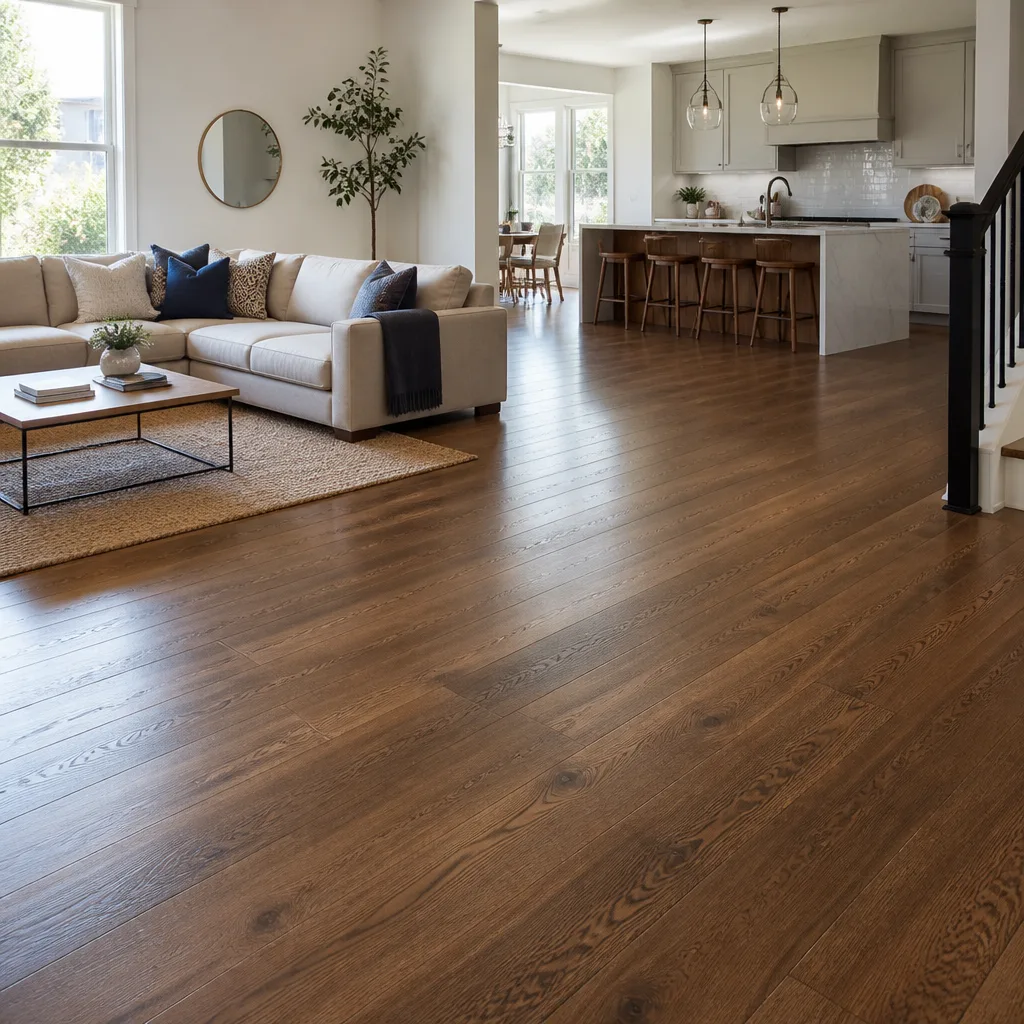 Engineered hardwood
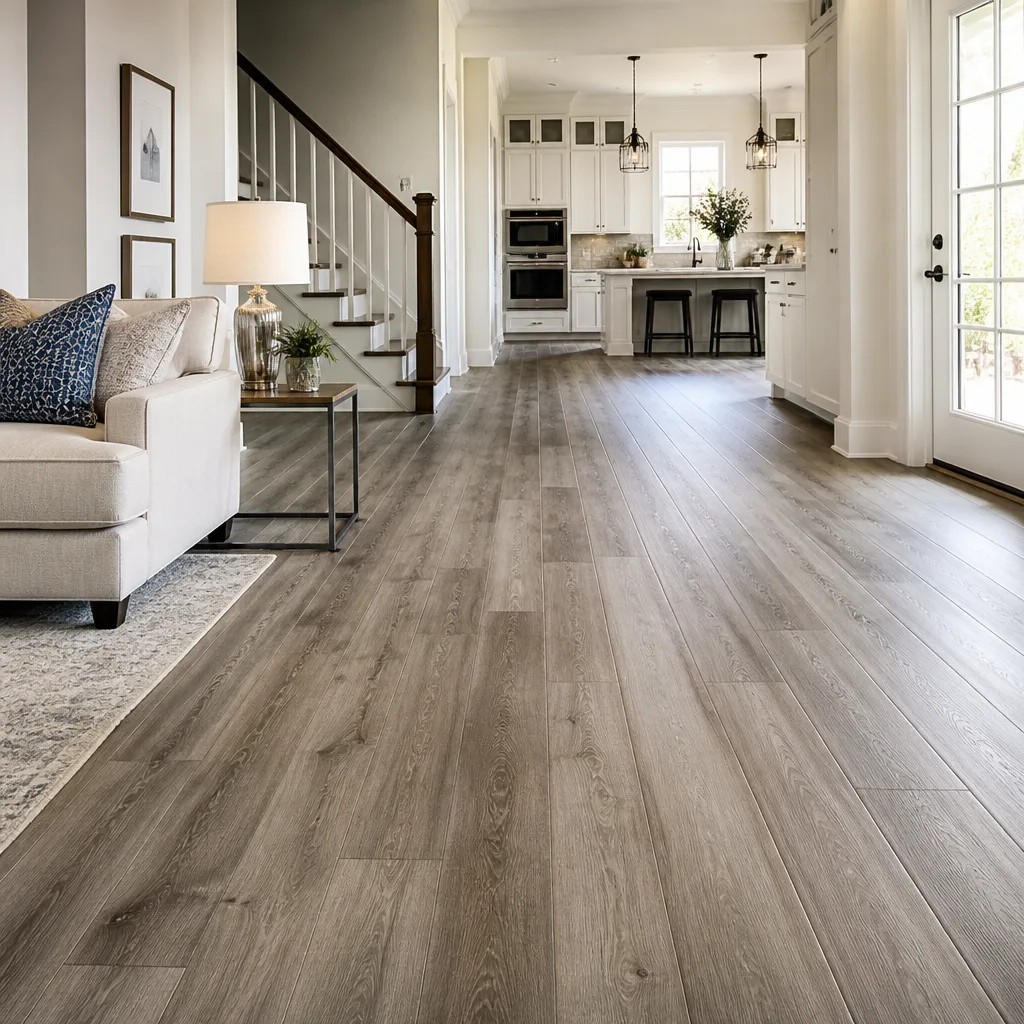 Luxury vinyl plank
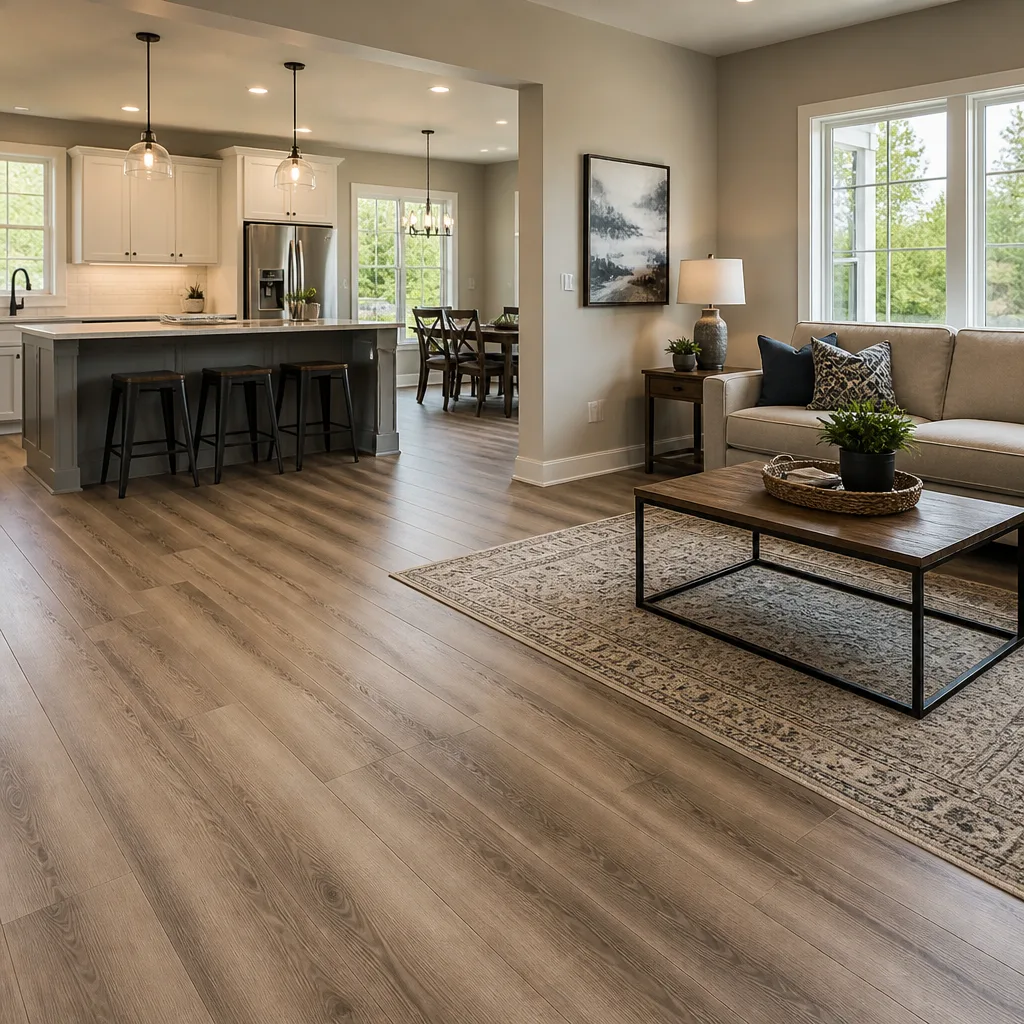 Laminate
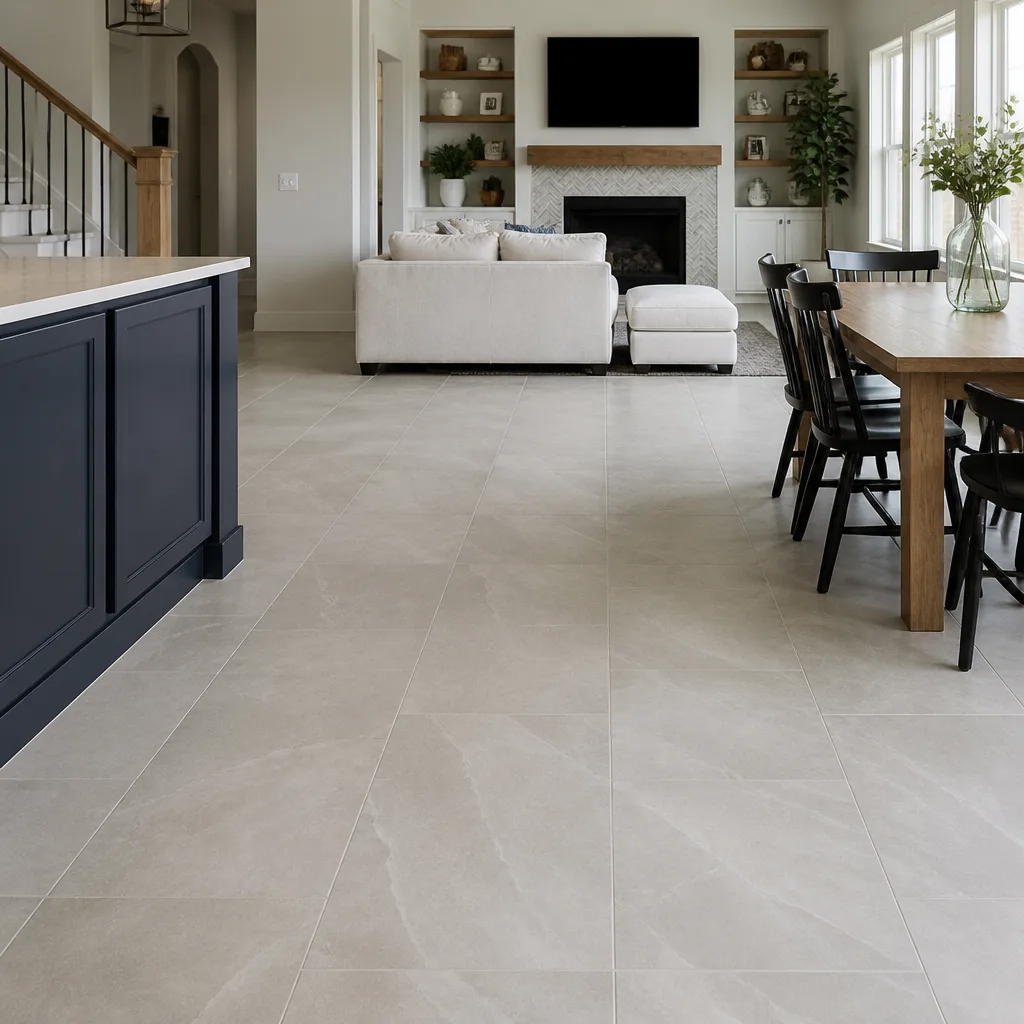 Porcelain tile
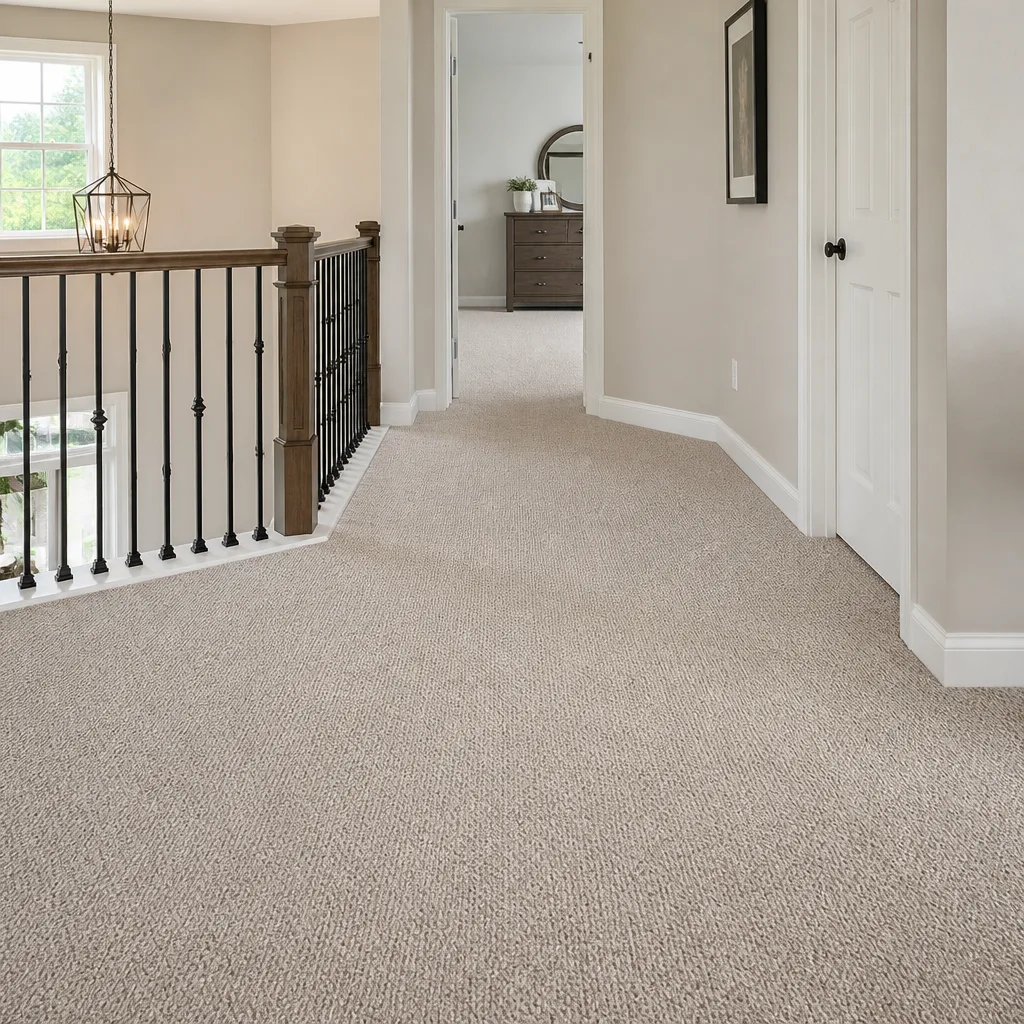 Carpet
 Shaw
 Mohawk
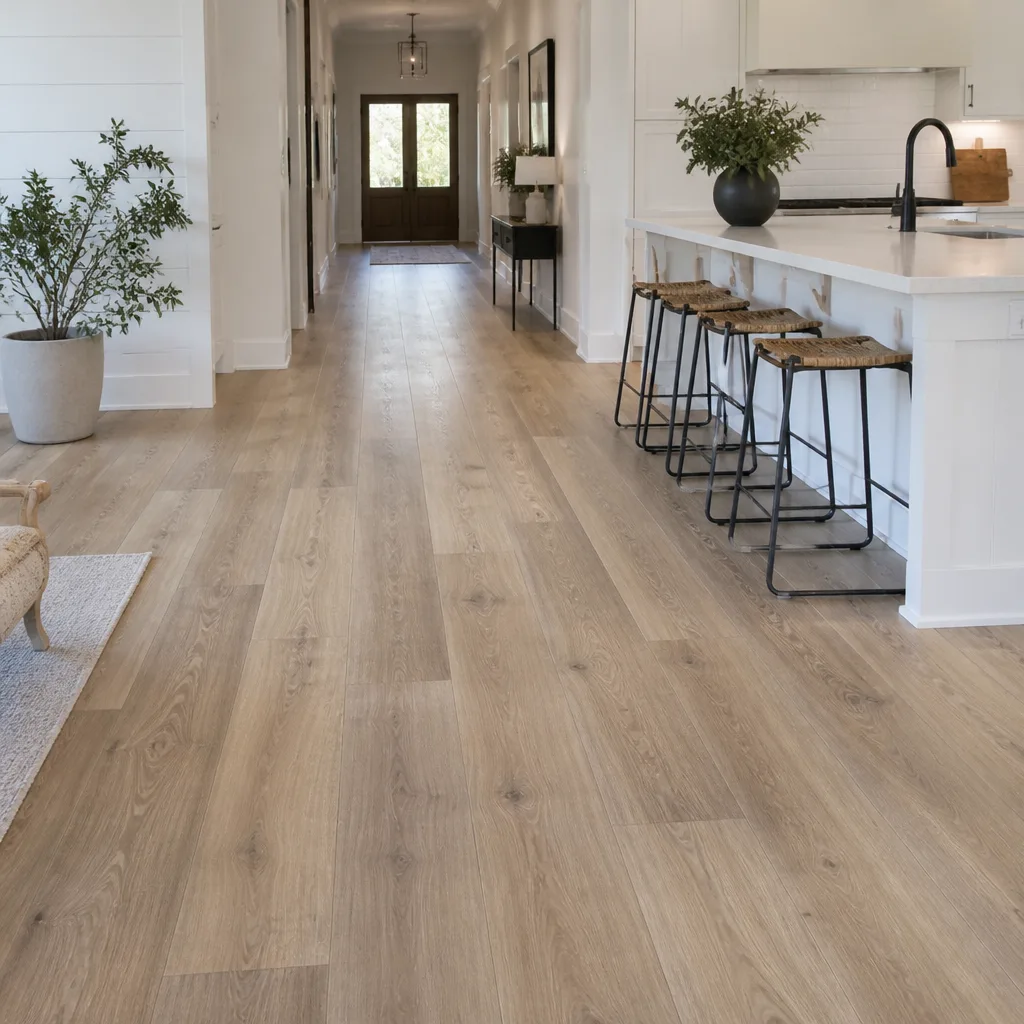 COREtec
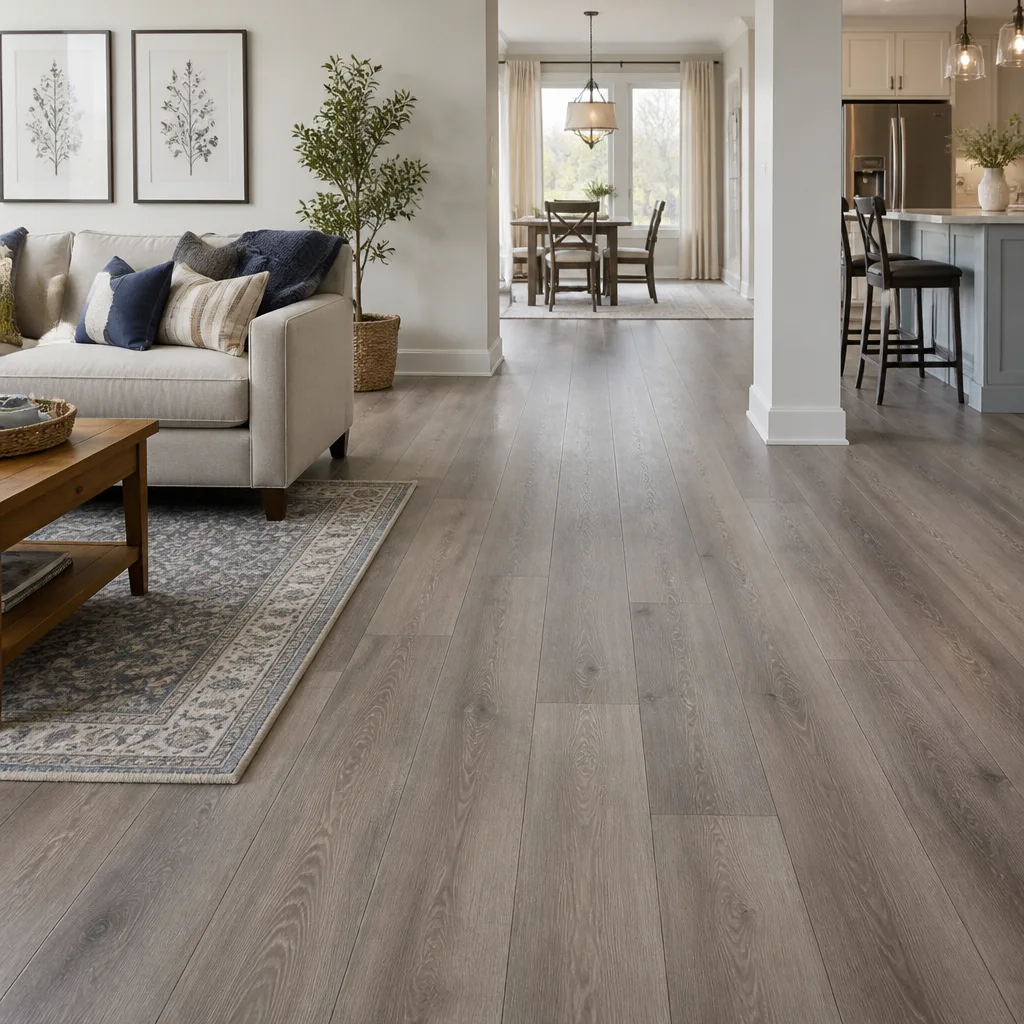 Pergo
Free in-home measure and written estimate: Shaw, Mohawk, COREtec and Pergo lines compared on your own rooms, with carpet, tile, vinyl plank, laminate and hardwood laid out side by side
Get your free estimateFlooring Cost Breakdown: The Paradise Homeowner’s Reference for 2026
Two quotes land on your kitchen table for the same 800 square feet of luxury vinyl plank. One is $4,300. The other is $6,400. Neither bid is dishonest, and neither installer is guessing. They’re counting different things. One quote folds material, pad, adhesive, demo, and haul-away into a single line; the other breaks each out and adds a stair charge, a furniture-move charge, and a 10% overage allowance. This reference exists to slow that moment down. We’ll walk through every line item in a 2026 flooring bid, from material per square foot by category to the subfloor repairs that surface after demo, so you can compare quotes in Paradise on equal footing instead of just eyeballing the bottom-line number.
Quick Answer
A full flooring installation in Paradise in 2026 typically runs from roughly $3 to $12 per square foot for the floor itself, with carpet landing at the low end and hardwood or premium tile landing at the high end. Labor adds a separate $2 to $7 per square foot depending on room complexity, demo, and stair work. The written estimate you receive after an in-home measure sets your real price, and any quote that doesn’t itemize material, labor, and disposal separately is one you can’t compare to anything else.
Styles & brands we work with
- Hardwood
- Engineered hardwood
- Luxury vinyl plank
- Laminate
- Porcelain tile
- Carpet
- Shaw
- Mohawk
- COREtec
- Pergo
Table of Contents
- What Does Flooring Material Cost Per Square Foot in 2026?
- What Do Labour Variables Add to a Paradise Quote?
- What Hidden Costs Appear After Demo?
- How Do You Read a Flooring Quote Line by Line?
- Why Do Bids Include a 10% Overage Allowance?
- How Does the Paradise Desert Climate Affect Floor Choice?
- How Do You Compare Two Bids That Don’t Match?
- Common Mistakes to Avoid
What Does Flooring Material Cost Per Square Foot in 2026?
Material cost is the first line any homeowner looks at, and it’s also the one most often misread. The range below reflects typical 2026 pricing for standard residential grades, not the premium end of any line. Your actual figure depends on the product you choose, the pattern, and how much waste a room layout forces.
- Carpet: Roughly $2 to $5 per square foot for mid-grade carpet, with pad adding a separate line. Carpet is usually the least expensive floor per square foot, which is why it stays the default for bedrooms and stairs in Paradise.
- Luxury vinyl plank (LVP): Roughly $3 to $7 per square foot. This is the category where most of the market has moved, and the range covers everything from entry-level click-lock to rigid-core planks from brands like LifeProof.
- Laminate: Roughly $2.50 to $6 per square foot. Pergo and Armstrong make up much of this category, and laminate remains a strong choice when you want a wood look without solid-wood maintenance.
- Ceramic and porcelain tile: Roughly $4 to $12 per square foot. Size, glazing, and whether the tile is natural stone or porcelain drive the spread more than brand does.
- Hardwood refinished (existing): Refinishing runs closer to $3 to $6 per square foot, and it’s the reason we tell homeowners to price restoration before they price replacement. A sound hardwood floor already in the house is often the cheapest floor you’ll ever own.
- Hardwood new install: Roughly $6 to $14 per square foot, depending on species and grade.
One thing that does not move the material line much: whether you buy in Paradise or anywhere else in the valley. Supplier pricing in this market is fairly consistent across the metro. What varies is which products an installer can actually access and stand behind. We carry nine flooring brands including Shaw, Mohawk, COREtec, and Mannington, which means a Paradise homeowner can price carpet, tile, and vinyl through the same conversation rather than three.
What Do Labour Variables Add to a Paradise Quote?
Labor is where quotes diverge most, and it’s the line homeowners understand least. The same 400-square-foot room can carry a labor charge of $800 in one bid and $1,500 in another, and both numbers can be fair. Here’s what moves it.
- Room complexity. A rectangular bedroom lays fast. An L-shaped kitchen with a peninsula, doorways, and an island cut-out takes longer, and installers price the time, not the square footage.
- Furniture moving. Many quotes assume the room is empty. If the room isn’t, someone has to move the sofa and the dining set, and that labor either appears as a line or gets baked into a higher per-square-foot rate.
- Existing floor demo. Tearing out old carpet is quick. Tearing out glued-down tile or a floating floor with a glued pad is not, and the charge reflects the difference.
- Stair work. Stairs are priced per step, not per square foot, because each tread and riser is a separate cut, fit, and fasten. A staircase can carry as much labor as a small bedroom.
- Transitions and trim. Thresholds, stair nosing, baseboard removal and reinstall, and door undercutting all add time, and a quote that skips them will simply add them later.
For a typical Paradise home, labor commonly lands in the $2 to $7 per square foot range. That’s a wide band because the variables above are wide. If you want a fair comparison, ask each installer to state whether their labor figure assumes an empty room, includes demo, and prices stairs separately. The written estimate is where those answers belong.
What Hidden Costs Appear After Demo?
Almost every flooring surprise in Paradise comes from what’s under the old floor. Once the carpet or tile comes up, the installer can see the subfloor, and that’s when the bid changes. Budgeting for these before they appear keeps a project from stalling mid-install.
- Subfloor repair. Rotted plywood, water-damaged sections near a bathroom or laundry room, or a soft spot near an exterior door all require replacement before anything new goes down.
- Leveling compound. Concrete slabs and older wood subfloors are rarely flat. A self-leveling pour brings low spots up to grade, and it’s a real line item, not padding.
- Moisture barrier. Over a slab, a vapor barrier is often needed to keep moisture from migrating up into the new floor. The need varies by product and by the home, and the product instructions and written estimate set what’s required.
- Old adhesive removal. Glue-down installations from a previous era leave residue that has to be scraped or ground before a new floor can bond or float.
- Unexpected transitions. Adding a tile floor against an existing carpet in the next room means a transition strip, and that strip has to land at the right height.
Ask every installer one question before you sign: what happens if the subfloor is worse than expected, and how is that priced? A fair answer will tell you the charge is per the written estimate and depends on what’s actually found. An installer who waves the question away is telling you something too.
How Do You Read a Flooring Quote Line by Line?
A quote is only useful if you can compare it to another quote on the same terms. That starts with one distinction: “install only” versus “supply and install.” Install-only pricing means the material is yours to buy separately, and the installer’s number covers labor, adhesive, and fasteners. Supply-and-install pricing means the installer sources the product and one number covers everything.
Neither is inherently better. Install-only can be cheaper if you already have material in hand, but it shifts the risk of a short order or a discontinued line onto you. Supply-and-install puts that risk on the installer, which is usually why the number is higher.
When you read the rest of the quote, look for these lines:
- Material, itemized by product and square footage. If it says “vinyl: $X” with no product name, you don’t know what you’re buying.
- Overage allowance. Should be about 10%, stated separately.
- Labor rate, per square foot, with room count.
- Demo and haul-away. Should be its own line.
- Furniture moving. Stated or explicitly excluded.
- Stair pricing, per step.
- Transitions, trim, and baseboard.
- Subfloor prep, with a stated allowance for the unexpected.
If any of those are missing, ask where they’ll appear. A legitimate bid will itemize them; an estimate that leaves them out isn’t the price you’ll pay.
Why Do Bids Include a 10% Overage Allowance?
The 10% overage allowance covers waste, and it exists because flooring is cut. A room isn’t a perfect rectangle. Doorways, closets, angled walls, and focal-point layouts all mean some planks or tiles get cut and thrown away. Ten percent is the standard working allowance for a straightforward room; an angled or heavily cut layout can push it higher.
Here’s what happens if you skip it. You order exactly the measured square footage. The installer gets three-quarters of the way through and comes up short. You call the supplier and discover the dye lot has changed since your order, so the replacement planks don’t match the ones already down. That’s a real risk with any dyed or printed product, including LVP lines like LifeProof.
The overage allowance is not a markup. It’s the buffer that prevents a mid-install mismatch. If material is left over, you keep it, which is useful because a spare box is what lets a future repair blend in instead of standing out. Budget the 10% into the material line before you start comparing totals, and the quotes you’re looking at will finally line up.
How Does the Paradise Desert Climate Affect Floor Choice?
Paradise sits in a desert climate with dry air and hot summers, and that matters to flooring in ways that don’t show up in a cost-per-square-foot table. Wood and laminate both expand and contract with humidity, and a desert home’s interior humidity swings more than most homeowners expect, especially when the air conditioning runs hard and the air dries out further. Solid hardwood moves with that swing; engineered hardwood and laminate are built to handle it better.
The other desert concern is sun. UV exposure fades wood and can affect some carpet fibers. If a room has large west-facing windows, plan for that in the product choice, not just in the price.
For tile, the desert works in your favor. Tile doesn’t care about humidity swings, and porcelain holds up to heat. For LVP, rigid-core products like COREtec are engineered to stay stable in a wider range of interior conditions than soft vinyl ever was. And none of these floors are waterproof in the absolute sense. Standing water or moisture from below still has to be dealt with, and the written estimate should say how it’s being addressed.
Where the Paradise climate affects cost directly: a slab home here often needs a vapor barrier, and older concrete can need leveling compound before any resilient floor goes down. Those are the climate-driven lines you’ll see on a bid for a Paradise home that a bid for the same square footage in a wetter climate wouldn’t carry.
How Do You Compare Two Bids That Don’t Match?
Line up the two quotes side by side and add rows until each has the same set of categories. Start with material, with product name and grade. Add overage at 10%. Add labor per square foot. Add demo and haul-away as separate lines. Add furniture moving as yes or no. Add a per-step stair charge. Add whether trim is included. Add a stated subfloor allowance. Then add whether the number is install-only or supply-and-install.
Once you’ve filled in that grid, the $2,100 gap in the opening example usually resolves into a list of line items one bid counted and the other didn’t. Sometimes the higher bid is the honest one because it includes demo, a subfloor allowance, and a furniture charge. Sometimes the lower bid is the honest one because the room is genuinely empty and the subfloor is new.
What you can’t do is compare a bottom-line number from one bid to a bottom-line number from another. Two bids with $2,100 between them aren’t necessarily $2,100 apart. The Paradise homeowner who has the grid in hand is the one who gets the real number before install day, not after. If a quote comes in with no itemization at all, ask for one, or call us at (844) 797-3061 and we’ll walk you through what each line of a flooring estimate should cover. Our estimates are free, and the written quote sets the final price.
Common Mistakes to Avoid
- Buying material before measuring the room. Get the measure and the written estimate first, then buy. Buying first invites a short order and a dye lot mismatch.
- Skipping the overage allowance to save on material. The 10% doesn’t disappear; it shows up mid-install as a rush order that doesn’t match. Budget for it up front.
- Comparing bottom lines instead of line items. Two quotes on the same footage with $2,000 between them are usually counting different things, not quoting different prices for the same work.
- Forgetting stairs until the last minute. Stairs price per step, and a staircase can rival a small bedroom’s labor line. Get it into the bid from the start.
- Assuming the subfloor is fine. In Paradise slab homes and older construction, a leveling compound or vapor barrier line is common. Ask what happens if the subfloor needs work.
- Choosing a floor without checking the sun and the AC. Sun exposure and dry-air expansion both affect what works in a desert home. Pick the product with those in mind, not just the color.
- Hiring separate installers for each floor type. A mixed-floor home with carpet in the bedrooms, tile in the baths, and hardwood in the living room needs one schedule and one accountable installer. Three specialists means three schedules and three answers when something goes wrong.
See the difference
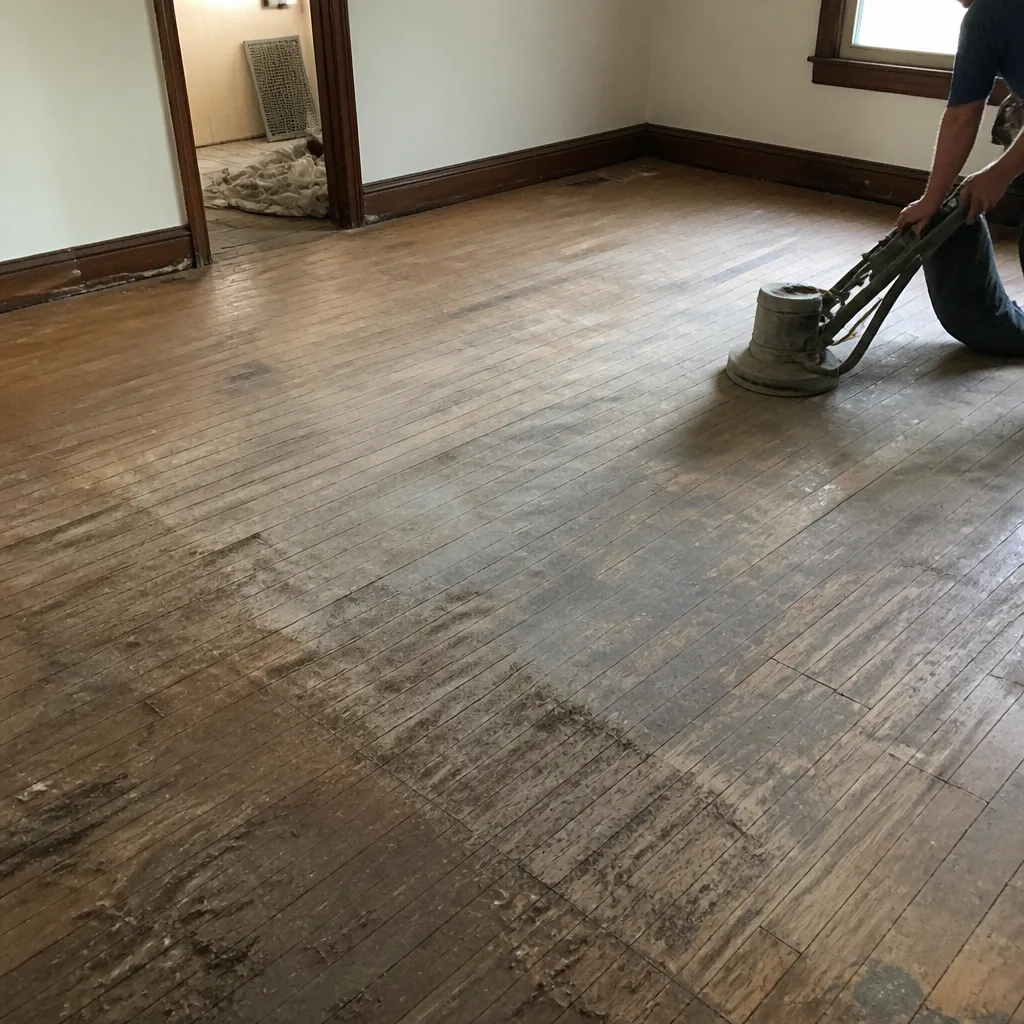 Before
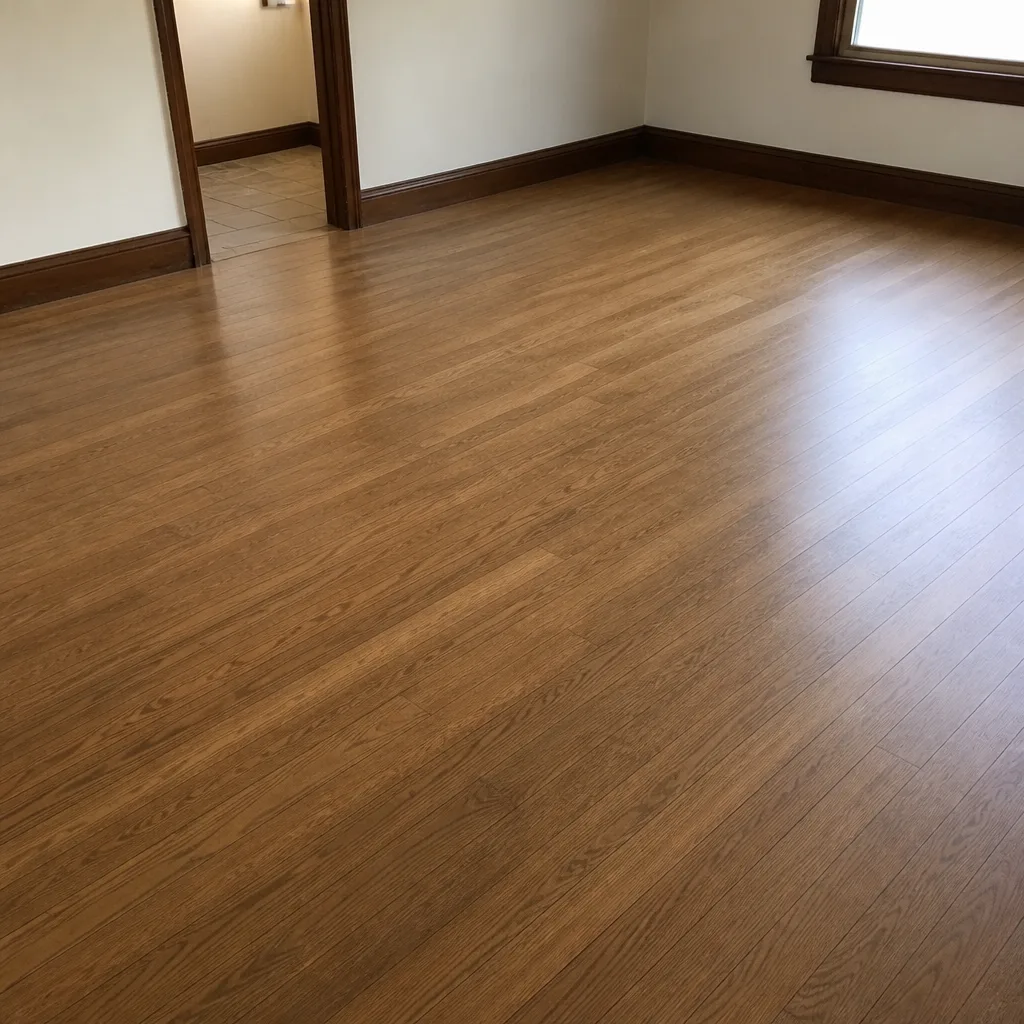 After
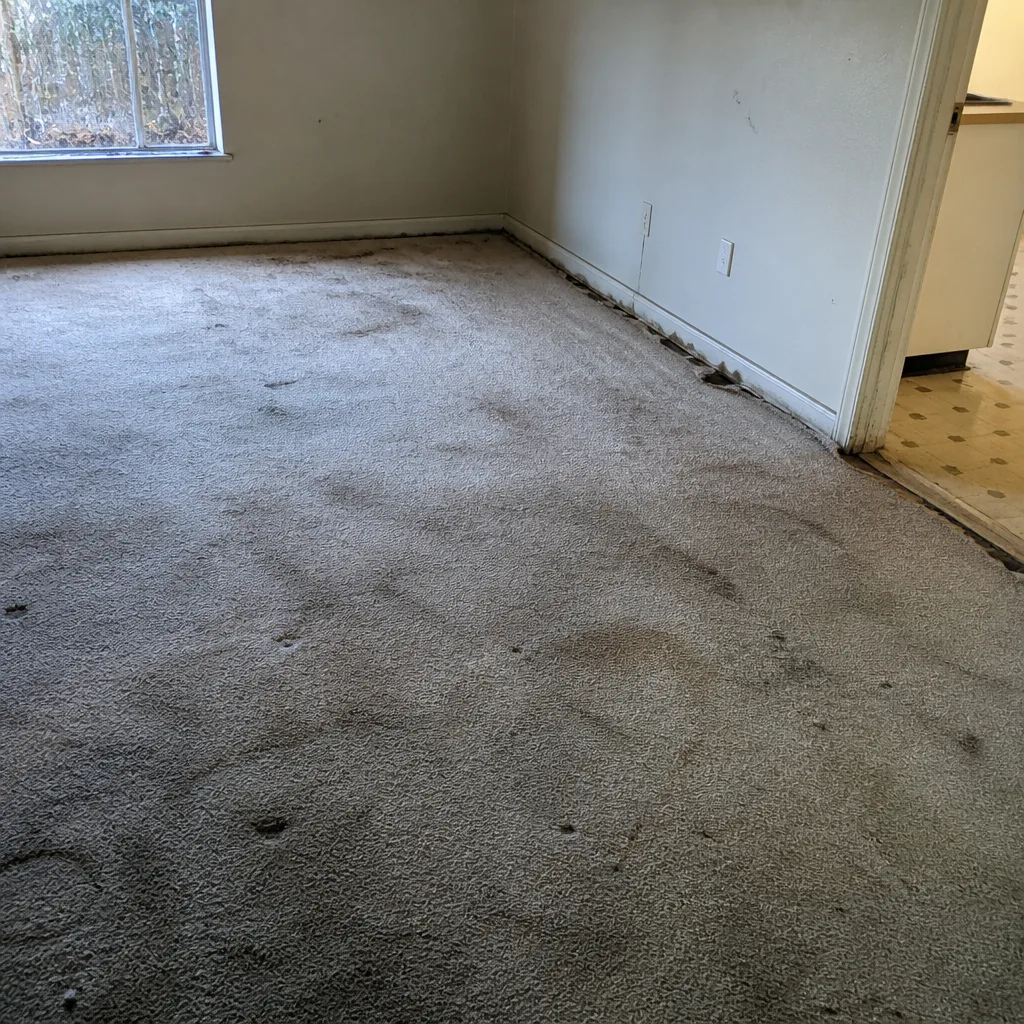 Before
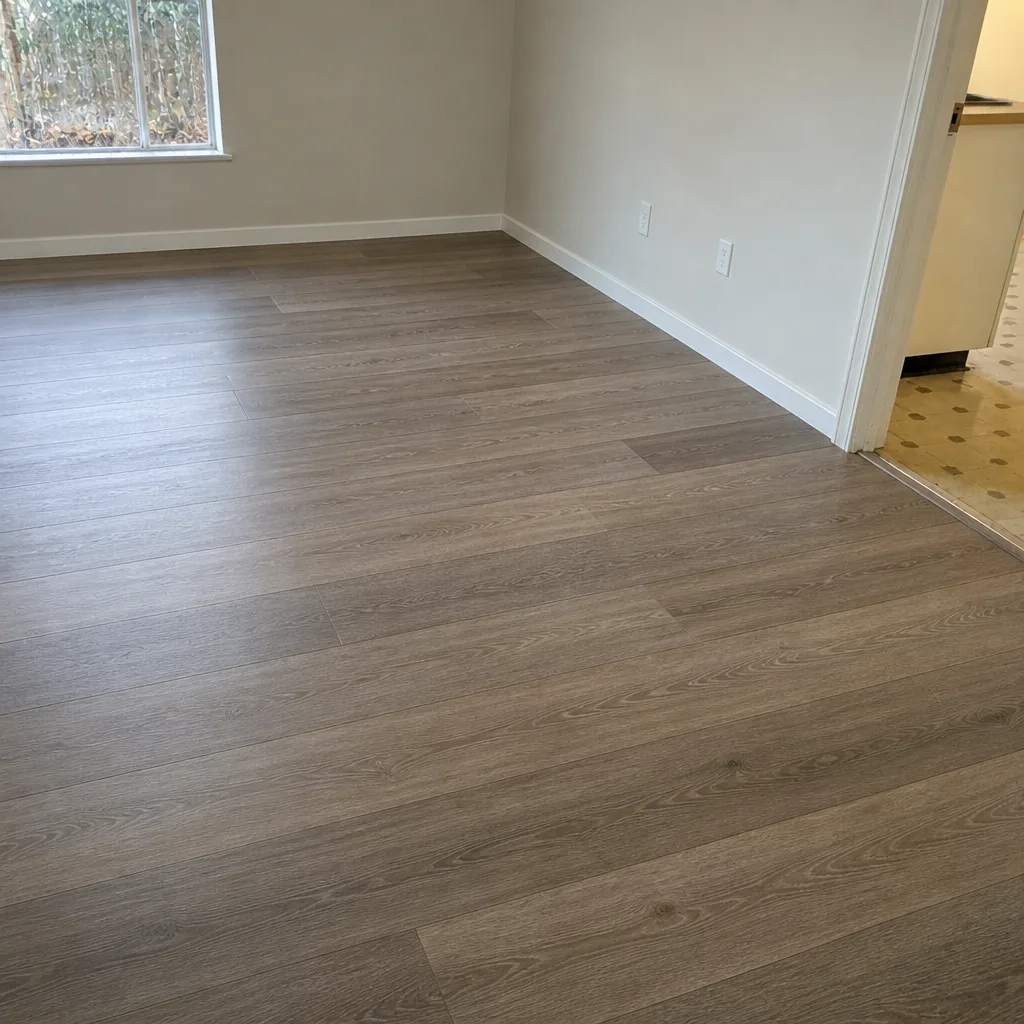 After
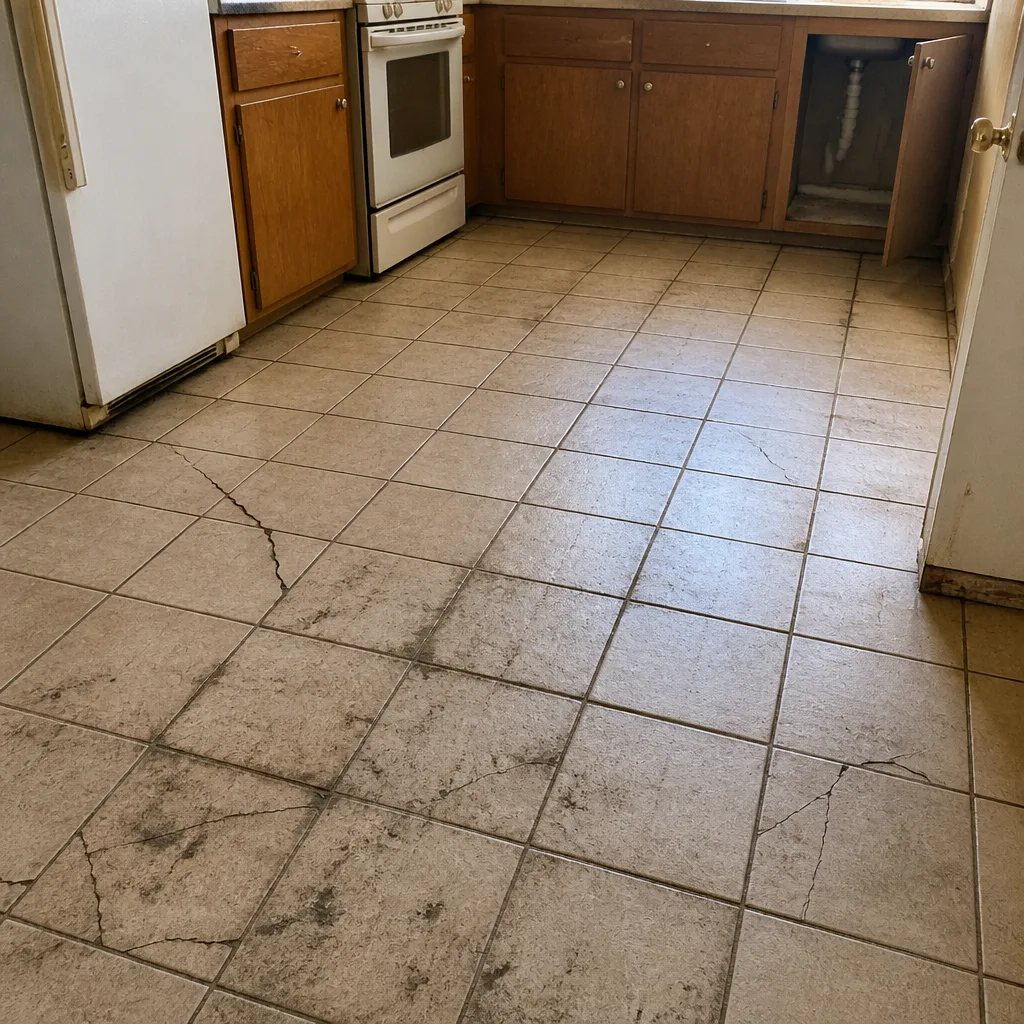 Before
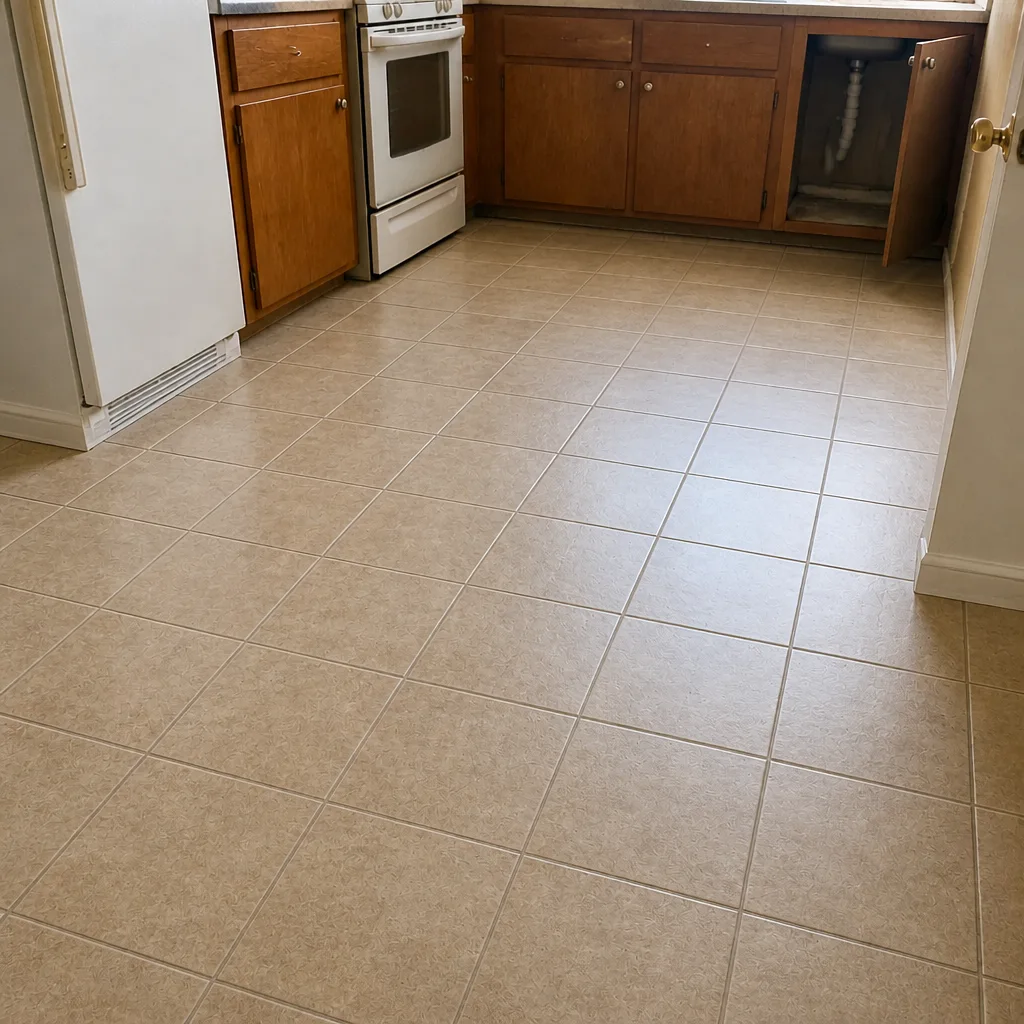 After
When to Call a Professional
Some flooring work is a solo project; most of it isn’t. Call a flooring specialist if any of these apply: the room has a slab with visible moisture staining, the subfloor has any soft spot, the project involves stairs, the room has an irregular shape with several cut-outs, the home has more than one floor type to install, or the floor being replaced is glue-down tile or hardwood. Hardwood refinishing falls in the same category: it’s a professional job with real safety and finish risks, and whether a floor can be refinished at all depends on the thickness of the wood and its condition, checked at the estimate visit. Tile work over a wet area is also a professional job. If any of those describe your project, start with an in-home measure and a written estimate. Carpet Installation Paradise offers free estimates in Paradise, call (844) 797-3061. We answer 24/7, fast dispatch from 7am to 7pm, Sunday through Friday.
Frequently Asked Questions
Flooring installation in Paradise in 2026 typically runs from about $3 to $12 per square foot for material and another $2 to $7 per square foot for labor, depending on category and room complexity. Carpet sits at the low end and hardwood or premium tile at the high end. Your exact number comes from the written estimate after an in-home measure. Call (844) 797-3061 for a free estimate.
Install-only can be cheaper on paper because it covers labor, adhesive, and fasteners only, with material purchased separately. It shifts the risk of a short order or discontinued line to you. Supply-and-install is higher because it folds material into one number and puts that risk on the installer. Neither is wrong; you just have to compare them on the same terms. Call (844) 797-3061 and we’ll help you line them up.
The 10% covers cut waste from doorways, closets, angled walls, and layouts. Skip it and the installer can come up short mid-install, forcing a replacement order that may not match the original dye lot. Leftover material stays with you and is useful for future repairs. Get the overage into the written estimate before you compare totals, and call (844) 797-3061 with questions.
It depends on the slab, the product, and the home, so the answer comes from the estimate visit and the product instructions. Moisture moving up through a slab has to be dealt with before a new floor goes down, and a barrier is a common line on a Paradise bid. We can’t tell you from a phone call whether your slab needs one. Call (844) 797-3061 to schedule a free in-home measure.
The schedule is set at the estimate, not before it. Room count, demo, stair work, subfloor prep, and product type all affect how many days a job runs, and a fixed time quoted without seeing the room isn’t a real answer. Your written estimate is where the install window belongs. Call (844) 797-3061 to get the measure on the calendar.
Usually yes, if the floor is a candidate. Refinishing runs closer to $3 to $6 per square foot versus $6 to $14 for a new hardwood install. Whether a floor can be refinished depends on the thickness of the wood and its condition, checked at the estimate visit. Call (844) 797-3061 for a free estimate on your hardwood.
Not if you hire a flooring specialist that handles all three. A mixed-floor home is one schedule, one accountable installer, and one conversation when a transition has to line up, instead of three contractors with three timelines. Carpet Installation Paradise covers carpet, tile, and hardwood refinishing under one company. Call (844) 797-3061.
The Bottom Line
Flooring bids in Paradise differ because they count different things, not because one installer is overcharging. Material per square foot in 2026 runs roughly $3 to $12 depending on category, labor adds $2 to $7, and the 10% overage isn’t optional. Read every quote line by line: material itemized by product, labor per square foot, demo and haul-away as separate lines, stairs priced per step, and a stated allowance for what might be under the subfloor. Compare bids on that grid and the real price becomes clear. For carpet, tile, and hardwood refinishing from a flooring specialist, the free estimate is the right first step. Call (844) 797-3061. We answer 24/7. Fast dispatch from 7am to 7pm, Sunday through Friday. Our technicians have up to 12 years of experience, and Carpet Installation Paradise brings nine brands to the same written quote, so you can price carpet installation and tile flooring installation in a single conversation.
If you’d rather start with the fundamentals, our Paradise location page covers what a typical measure visit involves and what to have ready before the installer arrives.
Written by the team at Carpet Installation Paradise.