
Last updated November 18, 2026
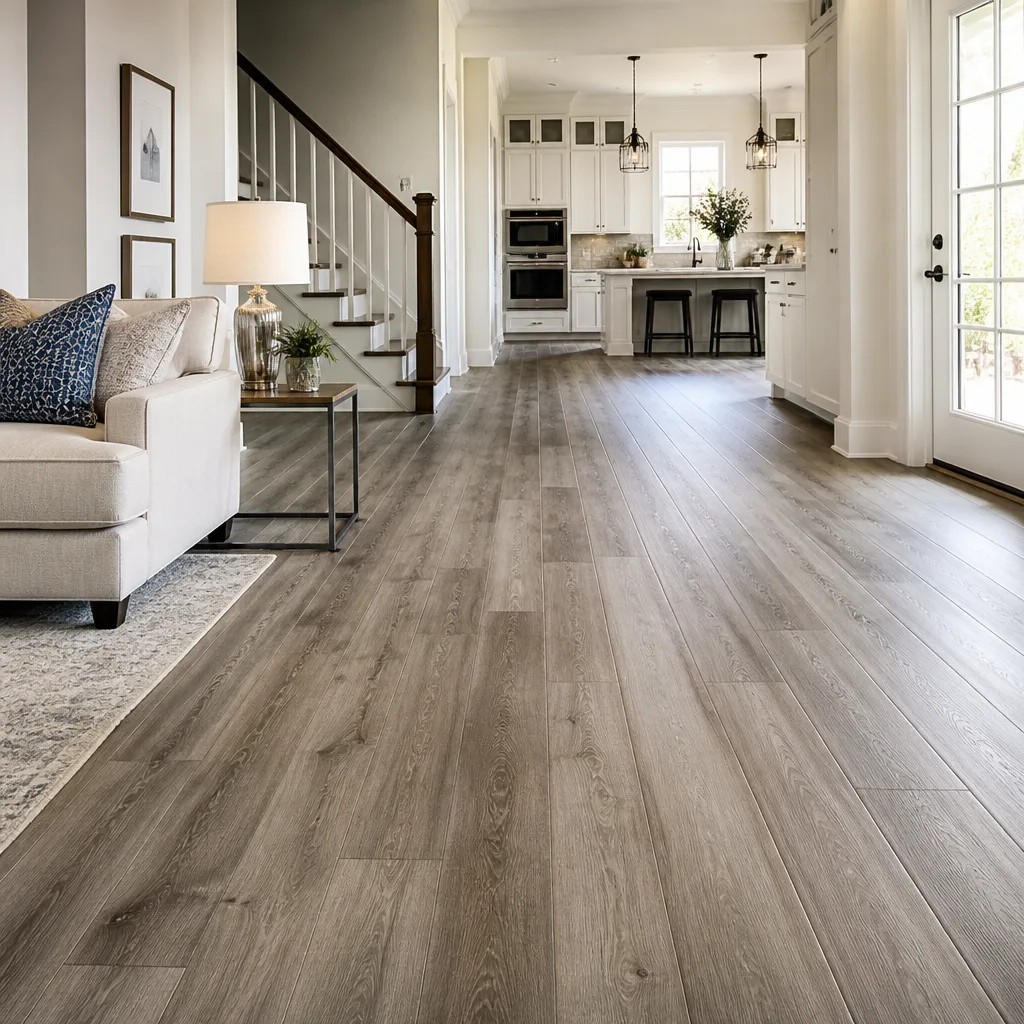 Luxury vinyl plank
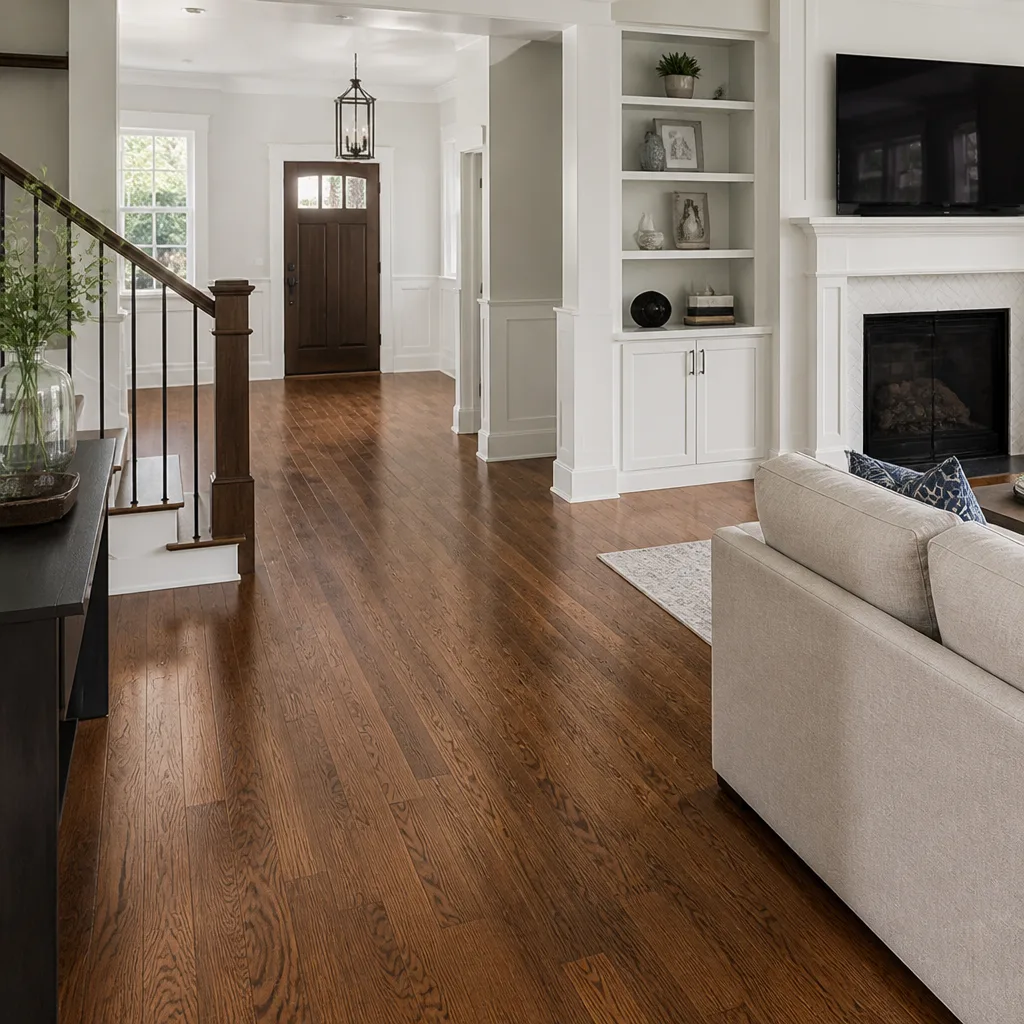 Hardwood
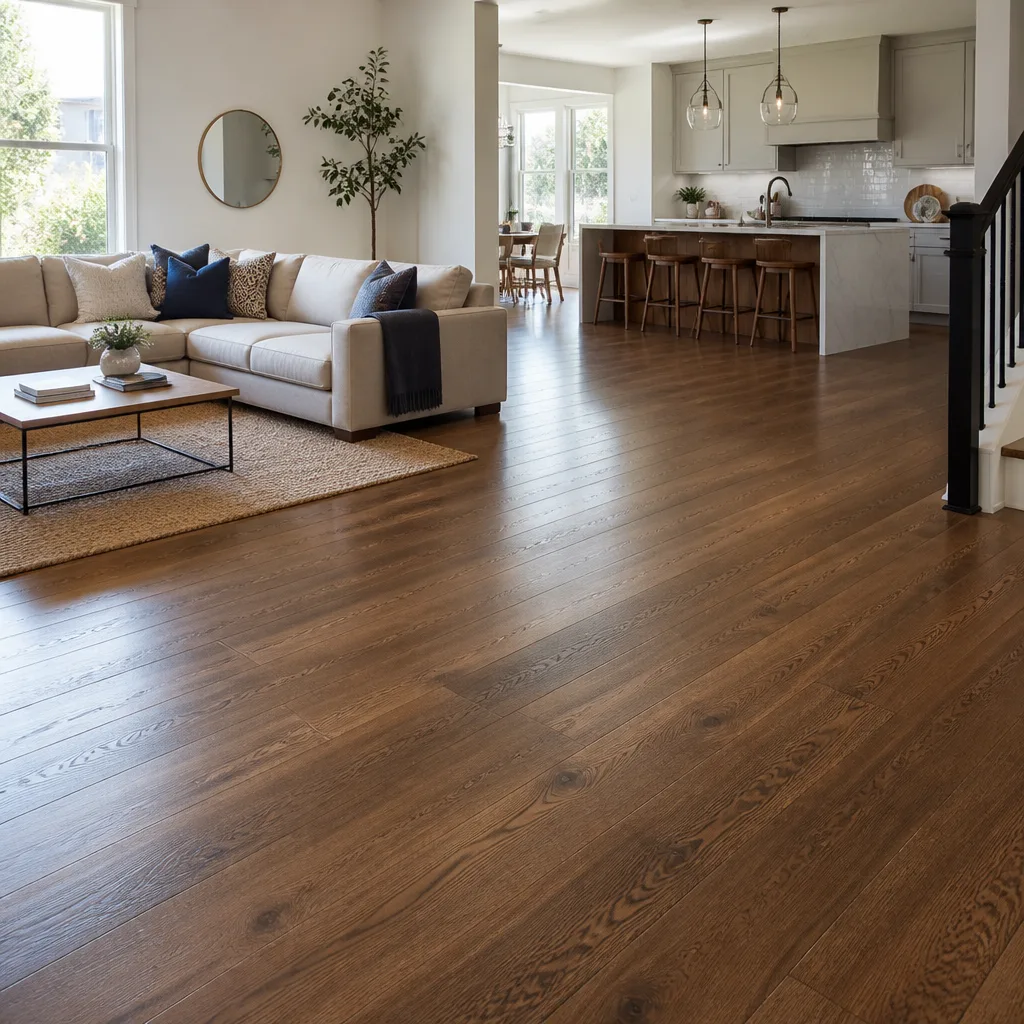 Engineered hardwood
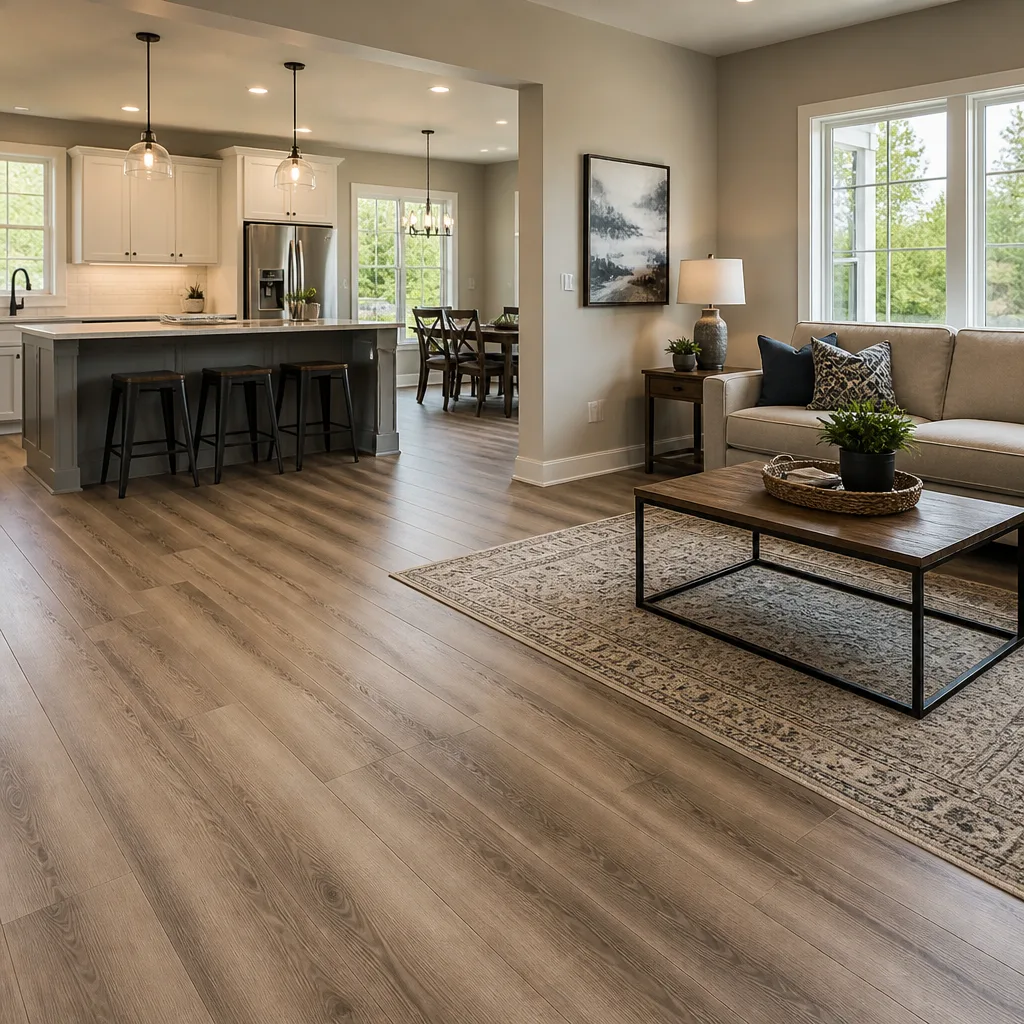 Laminate
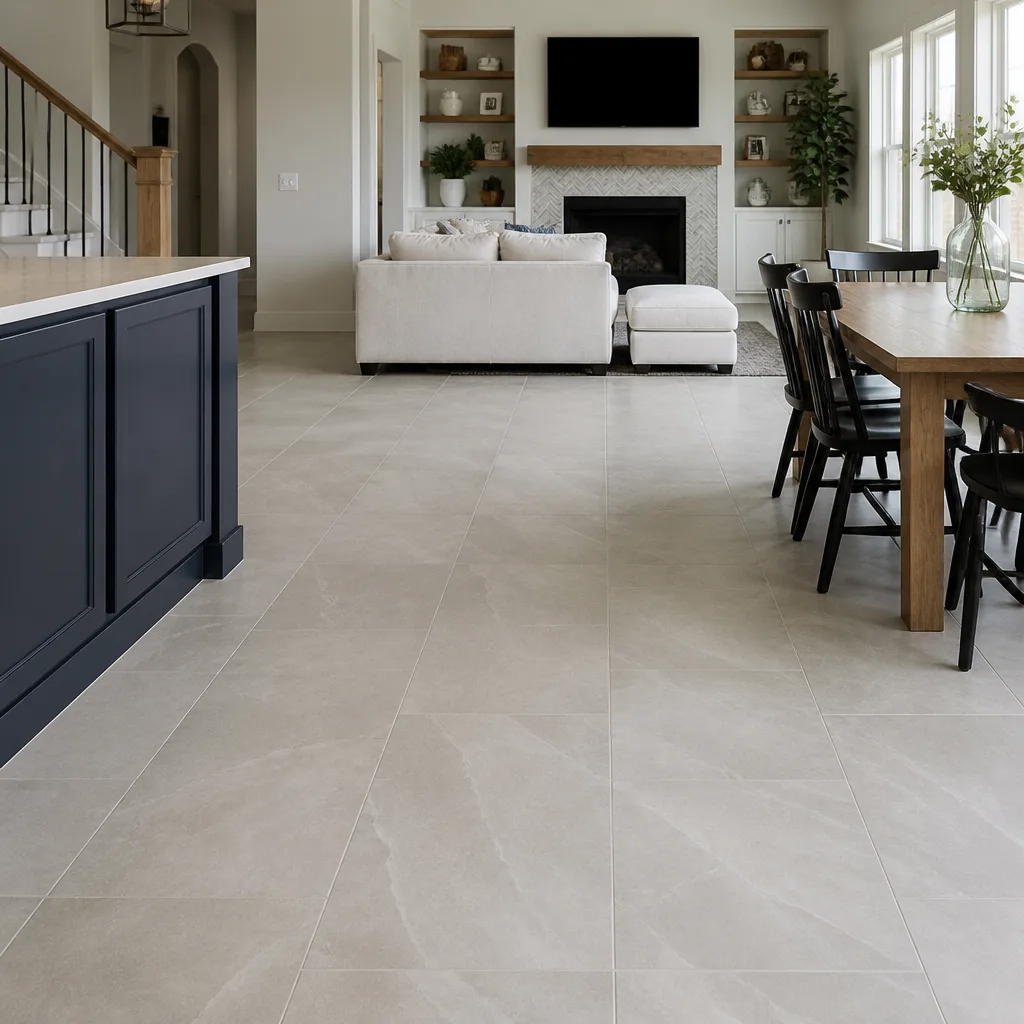 Porcelain tile
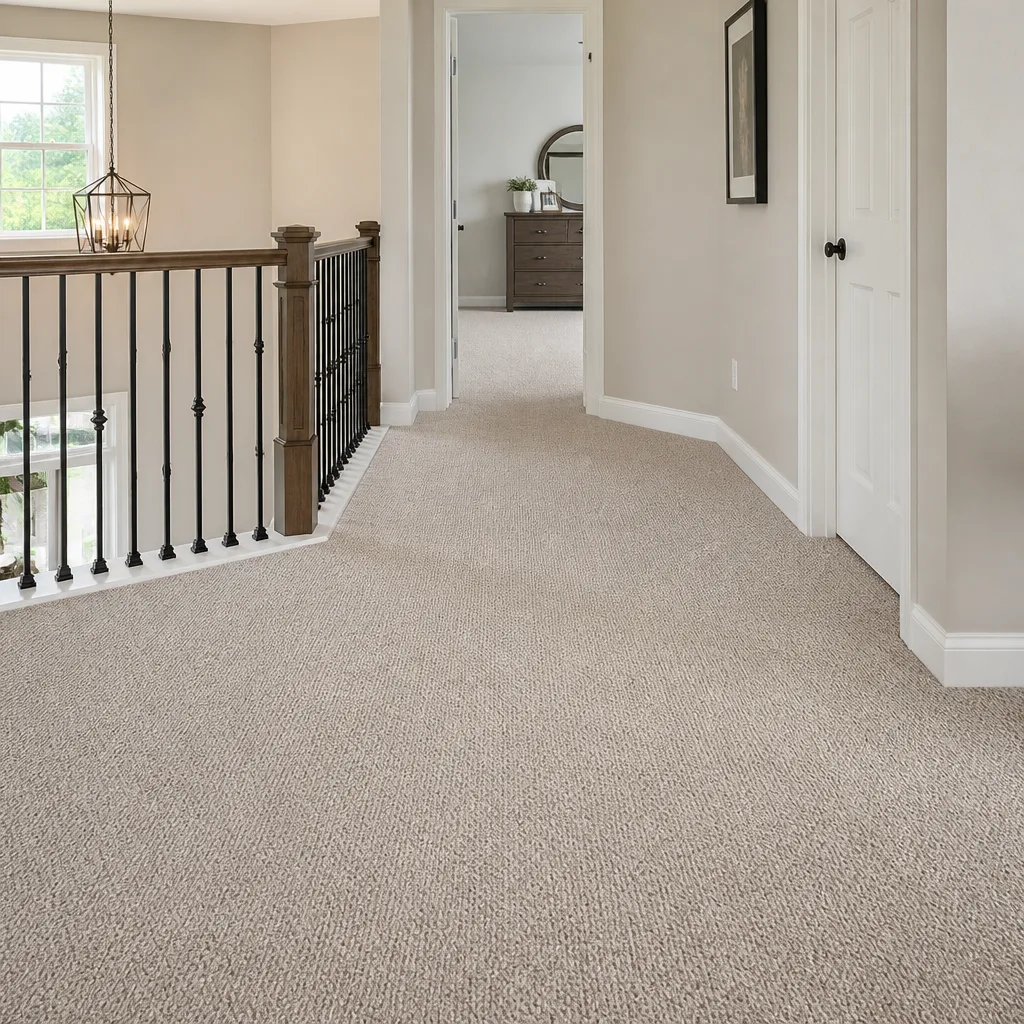 Carpet
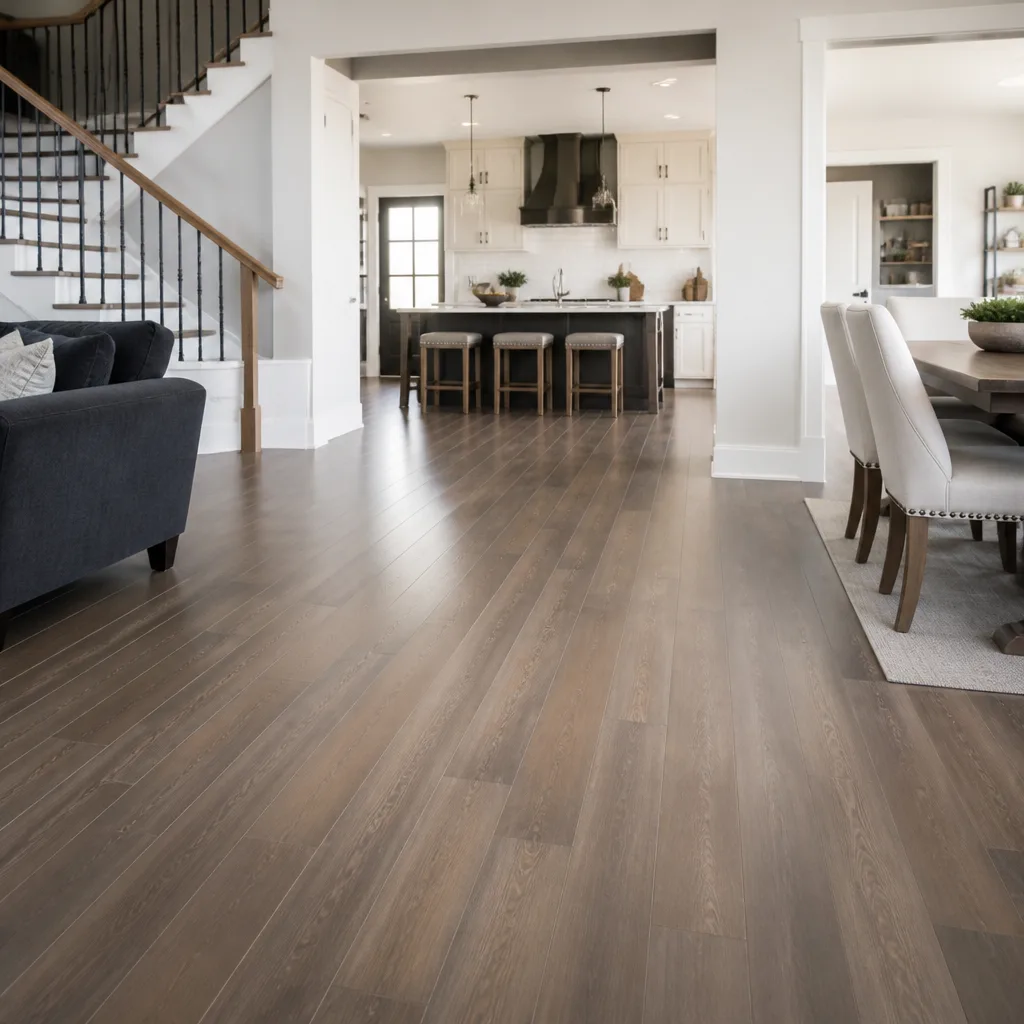 Shaw
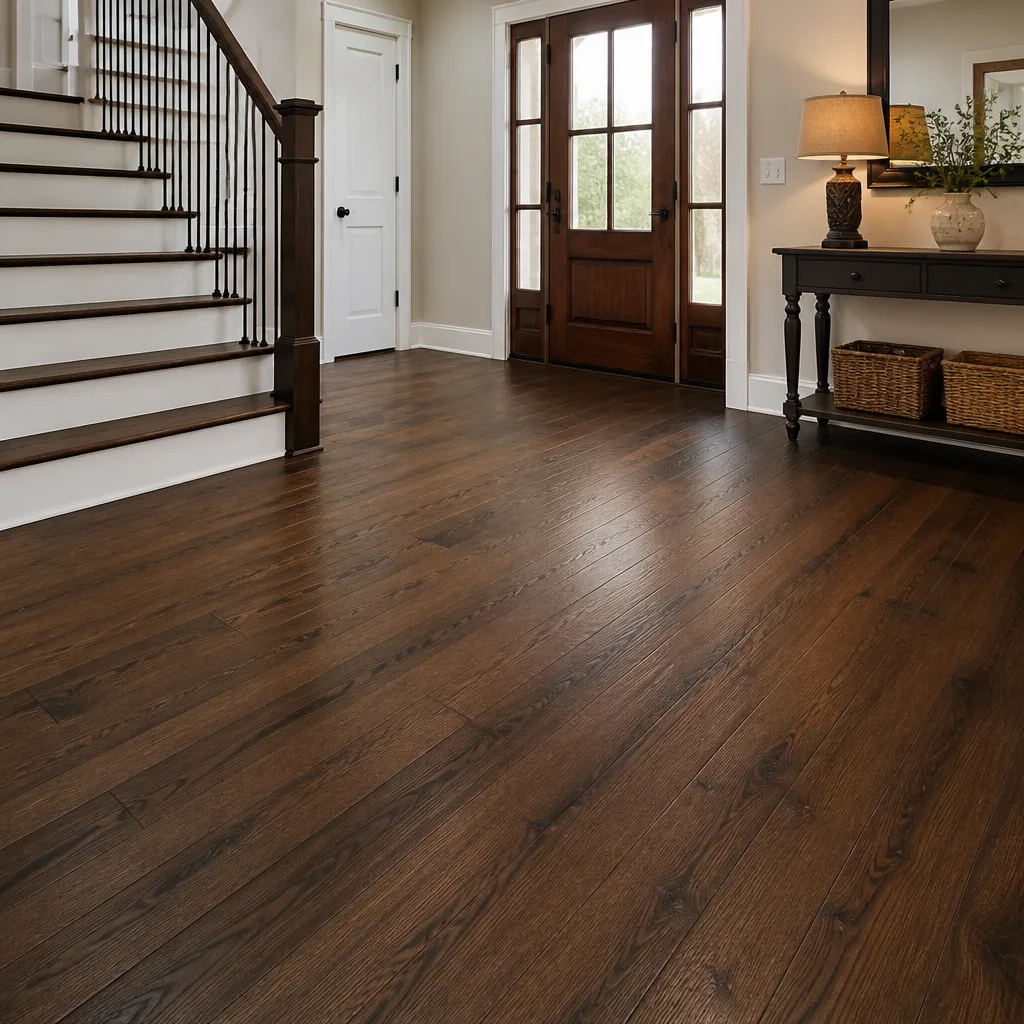 Mohawk
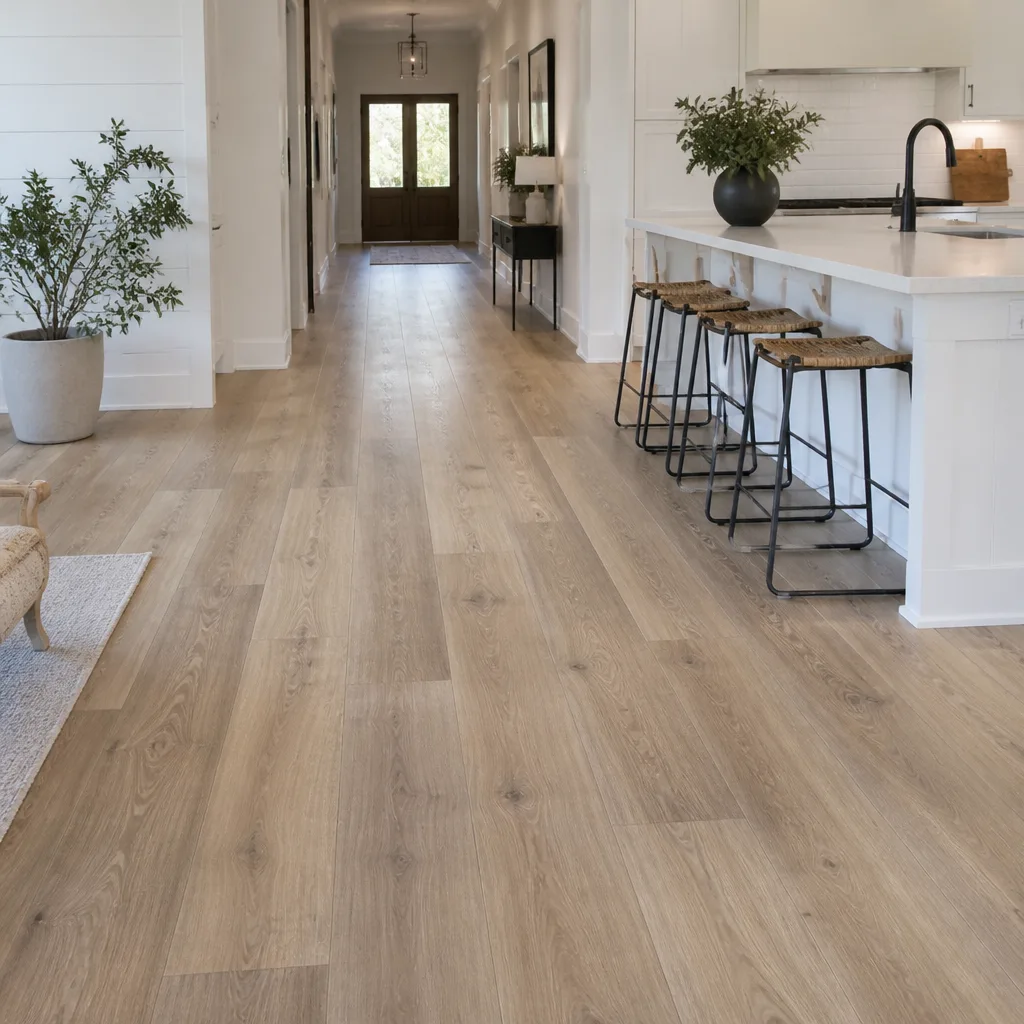 COREtec
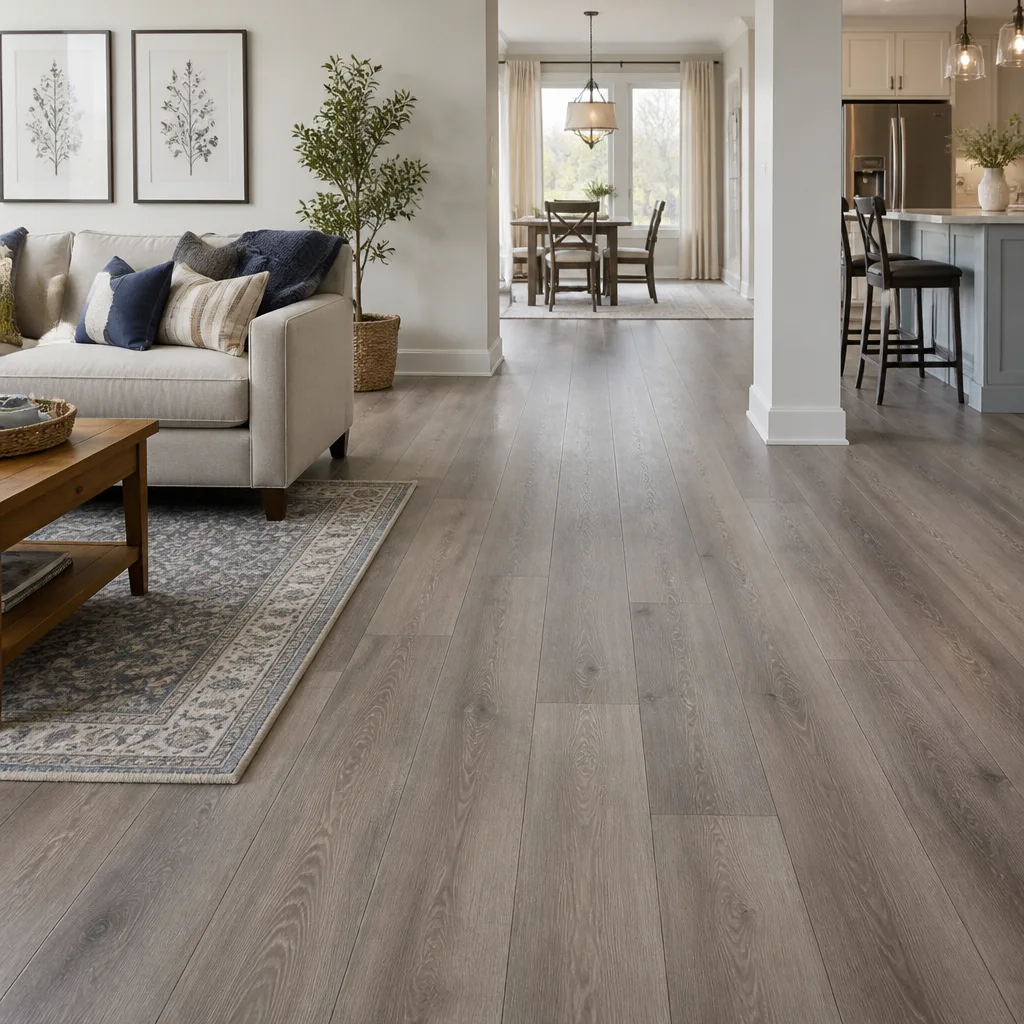 Pergo
Free in-home measure and written estimate: Shaw, Mohawk, COREtec and Pergo lines compared on your own rooms, with carpet, tile, vinyl plank, laminate and hardwood laid out side by side
Get your free estimateHardwood, Vinyl Plank, Laminate or Tile: How Paradise Homeowners Decide
Most flooring advice you’ll read online was written somewhere with four seasons and steady humidity. Paradise isn’t that place. The hardwood-versus-vinyl-plank-versus-laminate-versus-tile conversation changes here because the desert asks a different first question: before you pick a color or a plank width, you have to know whether the material can even perform on a slab in air this dry. Solid hardwood wants to sit at a moisture content in the single digits-to-low-teens range; Paradise’s outdoor relative humidity often drops well below 10%. That gap doesn’t rule hardwood out, but it narrows your options before you’ve touched a sample board. This guide walks through what actually holds up in Paradise, what each material really costs you over time, and how to choose without regret.
Quick Answer
In Paradise, engineered hardwood, luxury vinyl plank, laminate, and tile can all work – but for different rooms and budgets. Engineered hardwood handles the dry desert air better than solid, luxury vinyl plank (LVP) is the most forgiving for slabs and moisture-prone areas, laminate is a budget-friendly pick for dry rooms only, and tile wins the long-run cost math in kitchens, baths, and entries. The right call depends on your slab, your traffic, and how long you plan to stay.
Styles & brands we work with
- Hardwood
- Engineered hardwood
- Luxury vinyl plank
- Laminate
- Porcelain tile
- Carpet
- Shaw
- Mohawk
- COREtec
- Pergo
Table of Contents
- Why Paradise’s Climate Changes the Flooring Decision
- Hardwood in Paradise: Engineered vs. Solid
- The LVP Wear-Layer Reality: 6mil, 12mil, 20mil
- Where Laminate Still Makes Sense in 2026
- Tile’s Total Cost of Ownership in Paradise
- Side-by-Side: Which Floor for Which Room
- A Step-by-Step Way to Choose
- Common Mistakes to Avoid
- When to Call a Professional
Why Paradise’s Climate Changes the Flooring Decision
Start with the slab. Most homes in Paradise sit on a concrete slab poured directly on desert soil, and that slab behaves differently than a wood subfloor over a basement. Concrete wicks moisture from the ground and releases it slowly, and in a dry climate the surface can also swing with temperature. That combination – moisture from below, dryness above – is the single biggest factor in how a floor performs here. A floor that would be perfectly stable in a humid climate can cup, gap, or lift on a Paradise slab if the material isn’t rated for it or the installer skips a moisture barrier.
Then there’s the air. Indoor relative humidity in a Paradise home can drop into the teens during the driest stretches, and climb sharply during monsoon season when the air turns heavy for a few weeks. Wood is hygroscopic – it takes on and gives off moisture with the air around it, expanding and contracting as it goes. Solid hardwood is the most sensitive to that swing. Engineered and laminate products are built with cross-plied cores that resist movement better. LVP and tile are largely immune to humidity but have their own rules about flatness and substrate.
What this means for you: in Paradise, the material decision starts with your slab and your indoor humidity, not with a Pinterest board. Get those two things right and the rest of the choice is about looks, traffic, and budget. Get them wrong and even a beautiful floor can fail in a year.
Hardwood in Paradise: Engineered vs. Solid
If you want real wood underfoot in Paradise, engineered hardwood is usually the safer bet. Solid hardwood is milled from a single piece of wood and moves as one unit; in a home where indoor humidity can swing from the teens to the fifties over the course of a year, that movement can show up as gaps in winter and slight crowning in summer. Engineered hardwood is built from a plywood-like core topped with a real wood wear layer, and the cross-plied core resists that movement far better – which is why it’s the more common recommendation on a desert slab.
Not all engineered cores are equal. When we help Paradise homeowners narrow it down, we look at three things:
- Core construction. A denser, more stable core handles humidity swings better than a thin, lightweight one. Ask what the core is made of, not just what the top looks like.
- Wear-layer thickness. A thicker wear layer gives you more room to refinish later. A very thin one may only be sandable once, or not at all.
- Installation method. Glue-down and floating installations behave differently on a slab. The right method depends on your specific subfloor and product – which is exactly the kind of thing we work through at the estimate visit.
Solid hardwood can still work in Paradise – particularly in a home with well-managed indoor humidity – but it’s a more demanding choice. If you already have solid hardwood and it’s showing wear, refinishing is often the smarter move than tearing it out. That’s a service we handle directly, and it’s a real alternative to replacement when the wood is thick enough to sand.
What about refinishing instead of replacing?
Refinishing strips the old finish, sands the surface back to bare wood, and applies new finish – restoring the floor rather than replacing it. Whether your floor can be refinished depends on how much wear layer or solid wood is left above the tongue-and-groove, and how much damage it has. That’s something we check at the estimate visit. If it’s refinishable, we refinish; if it isn’t, we’ll tell you straight and quote a replacement.
The LVP Wear-Layer Reality: 6mil, 12mil, 20mil
Luxury vinyl plank is the fastest-growing floor in Paradise, and for good reason: it’s water-resistant, it handles the dry air without complaint, and it installs over most slabs. But “LVP” covers a wide range of products, and the number that matters most is the wear layer – measured in mils (thousandths of an inch). The wear layer is the clear top coat that takes the abuse. Thicker means it lasts longer under foot traffic.
Here’s how the three common wear-layer ranges translate to real life in a Paradise household:
- 6mil wear layer. Builder-grade or budget product. Fine for a guest bedroom or a low-traffic rental, but it shows scuffs and dulls faster in a busy household. We don’t usually recommend it for a main living area.
- 12mil wear layer. The sweet spot for most residential use. Handles kids, pets, and everyday traffic well, and it’s a common spec in mid-range LVP lines. For most Paradise families, this is the floor that makes the most sense.
- 20mil wear layer. Commercial-leaning durability. Overkill for a spare room, but worth considering for a busy kitchen, a home office with rolling chairs, or a home where pets and heavy foot traffic are the norm.
Wear layer isn’t the only thing – the core matters too. A rigid waterproof core (like the ones used in LifeProof and COREtec lines, both of which we carry) resists indentation and handles minor moisture far better than a soft, floppy core. Standing water and moisture from below still have to be dealt with; no LVP is truly waterproof against a wet slab. But for everyday spills, pets, and damp mopping, a rigid-core LVP is the most forgiving hard floor you can put in a Paradise home.
Where Laminate Still Makes Sense in 2026
Laminate gets dismissed as “the old flooring,” but that’s not the whole story. Modern laminate is a dense fiberboard core topped with a photographic wood or stone image under a clear wear layer. It’s tough, it’s affordable, and it looks better than it did a decade ago. In a dry Paradise home, it can be a smart choice in bedrooms, living rooms, and hallways.
Where laminate loses to LVP is moisture. The core is wood-based, so it swells if water gets into the seams or wicks up from a damp slab. That rules laminate out for bathrooms, laundry rooms, and anywhere standing water is likely. It also means laminate needs a properly prepped slab with a vapor barrier, just like engineered hardwood. On a Paradise slab, if you can’t verify the moisture situation, LVP is the safer bet in the water-sensitive spots.
The other place laminate loses is height. Laminate is typically thicker than LVP and often needs an underlayment. If you’re going over an existing floor or matching heights at a doorway, that extra thickness can force transitions or door trimming you didn’t budget for. LVP is usually the thinner option. Where laminate wins is cost-per-square-foot and that harder, more “clicky” feel some people prefer underfoot. If budget is the driving factor and your rooms are dry, laminate still earns its place.
Tile’s Total Cost of Ownership in Paradise
Tile costs more up front than LVP or laminate, and in Paradise it’s still often the smartest long-run floor for kitchens, bathrooms, laundry rooms, and entryways. The reason is simple: tile doesn’t care about humidity, it doesn’t swell, it doesn’t warp, and a well-installed porcelain or ceramic floor can outlast every other hard surface in the house. When you divide the upfront cost over 15, 20, or 30 years, tile often comes out ahead – especially in the rooms where water and traffic do the most damage.
The install is where the money goes, and where the quality is either won or lost. Tile needs a flat, stable substrate, the right thinset or mortar for the tile and the slab, and proper spacing and grout. On a Paradise slab, that means checking the substrate and using materials rated for the conditions. A cheap tile job that skips those steps is the most expensive floor you can buy, because you’ll be redoing it. A properly installed tile floor is a once-and-done decision.
Daltile is a brand we carry that gives Paradise homeowners a wide range of porcelain and ceramic options across price points, from simple large-format tile to more design-forward looks. If you’re weighing tile flooring installation against LVP for a kitchen or bath, the conversation at the estimate visit is usually about how long you plan to stay and how much water that room sees.
Side-by-Side: Which Floor for Which Room
Here’s how the four materials stack up for a Paradise home. Use this as a starting point, not a final answer – your specific slab and rooms decide the rest.
- Installation method: Engineered hardwood – glue-down or floating on a moisture-managed slab. Solid hardwood – nail or staple to a wood subfloor, glue-down on slab with a barrier. LVP – floating click or glue-down, most forgiving over slabs. Laminate – floating with underlayment and vapor barrier. Tile – thinset or mortar bed over a flat, stable substrate.
- Slab compatibility: LVP and tile are the most slab-friendly. Engineered hardwood is good with proper moisture management. Solid hardwood is the most demanding. Laminate is workable but needs a solid vapor barrier.
- Heat performance: Tile handles heat and temperature swings best. LVP and laminate are stable in dry heat. Solid hardwood is the most sensitive to extremes.
- Refinishability: Solid hardwood – yes, multiple times. Engineered hardwood – depends on wear-layer thickness. LVP, laminate, tile – no refinishing; replace when worn.
- Resale perception in Paradise: Tile and hardwood are seen as upgrades. LVP reads as durable and practical. Laminate is viewed as a budget pick. Buyers in Paradise care most about whether the floor looks good and holds up – which brings all four materials into play.
A Step-by-Step Way to Choose
Here’s the process we walk Paradise homeowners through, in order. Follow it and you’ll land on the right floor for the right room without overthinking it.
- Check the slab first. Is it dry, flat, and free of cracks or old adhesive? This single step eliminates some materials and confirms others. A moisture check at the estimate visit tells you what you’re working with.
- List the rooms by moisture risk. Kitchens, baths, laundry, and entries are wet-risk rooms. Bedrooms, living rooms, and hallways are dry rooms. Your material list should be different for each group.
- Match material to room. Wet-risk rooms – tile or LVP. Dry rooms – engineered hardwood, laminate, LVP, or tile, depending on budget and look.
- Set a realistic wear-layer target for LVP. For most Paradise households, 12mil is the residential sweet spot; 20mil for high-traffic zones.
- Decide solid vs. engineered for hardwood. Engineered is the safer choice in Paradise’s climate; solid is possible with humidity management.
- Budget for install, not just material. A cheaper material installed poorly costs more over time than a better material installed right. The written estimate should break both out.
- Plan transitions. If you’re mixing materials (say, tile in the kitchen and LVP in the living room), decide where the seams land and how heights match at doorways.
That last point is why single-source installation matters. A home with carpet in the bedrooms, tile in the baths, and hardwood in the living space has three different floors and three different installation requirements. Coordinating three separate contractors is a headache; a flooring specialist handles all three on one schedule, with one point of accountability. We cover all three categories – soft surface, hard surface, and hardwood refinishing – which is why mixed-floor homes are some of the most common jobs we quote in Paradise.
Common Mistakes to Avoid
- Skipping the slab check. Installing any floor without verifying moisture and flatness is the number one cause of floor failure on a Paradise slab. It’s a five-minute check that saves a five-figure mistake.
- Buying on looks alone. A beautiful 6mil plank and a 20mil plank look identical on the shelf. Check the wear layer before you fall for a color.
- Putting laminate in a wet room. Laminate and standing water don’t mix. In a Paradise bathroom or laundry, tile or LVP belongs there, not laminate.
- Assuming “waterproof” LVP means a wet slab is fine. Water-resistant surface planks don’t fix moisture from below. The slab still needs to be handled.
- Forgetting about transition height. Mixing materials without planning doorways and height changes leads to tripping hazards and ugly trim. Plan transitions before you buy.
- Refinishing a floor that’s too thin. If the wear layer is nearly gone, sanding it again can expose the tongue. Have it checked before you refinish.
- Choosing a floor for resale you don’t actually want. Buyers in Paradise care about what holds up here, not what’s trendy elsewhere. Pick a floor you’ll enjoy living on.
When to Call a Professional
If you’re deciding between materials, an estimate visit is the fastest way to get real answers about your specific slab and rooms. Bring a call when your floor is cupping, gapping, or lifting – those are signs the substrate or installation needs attention before you spend on new flooring. Call if you’re mixing materials across a home and need one crew to handle carpet, tile, and hardwood on the same schedule. Call if you want to know whether refinishing is an option instead of replacement. And call if you’ve had a floor fail and want a straight answer about why. Carpet Installation Paradise offers free estimates in Paradise – call (844) 797-3061. We answer 24/7. Fast dispatch from 7am to 7pm, Sunday through Friday.
Our technicians have up to 12 years of experience, and we install and service nine brands, including LifeProof, Mannington, Armstrong, and Daltile. You pick the floor; we handle the install and the product questions along the way.
See the difference
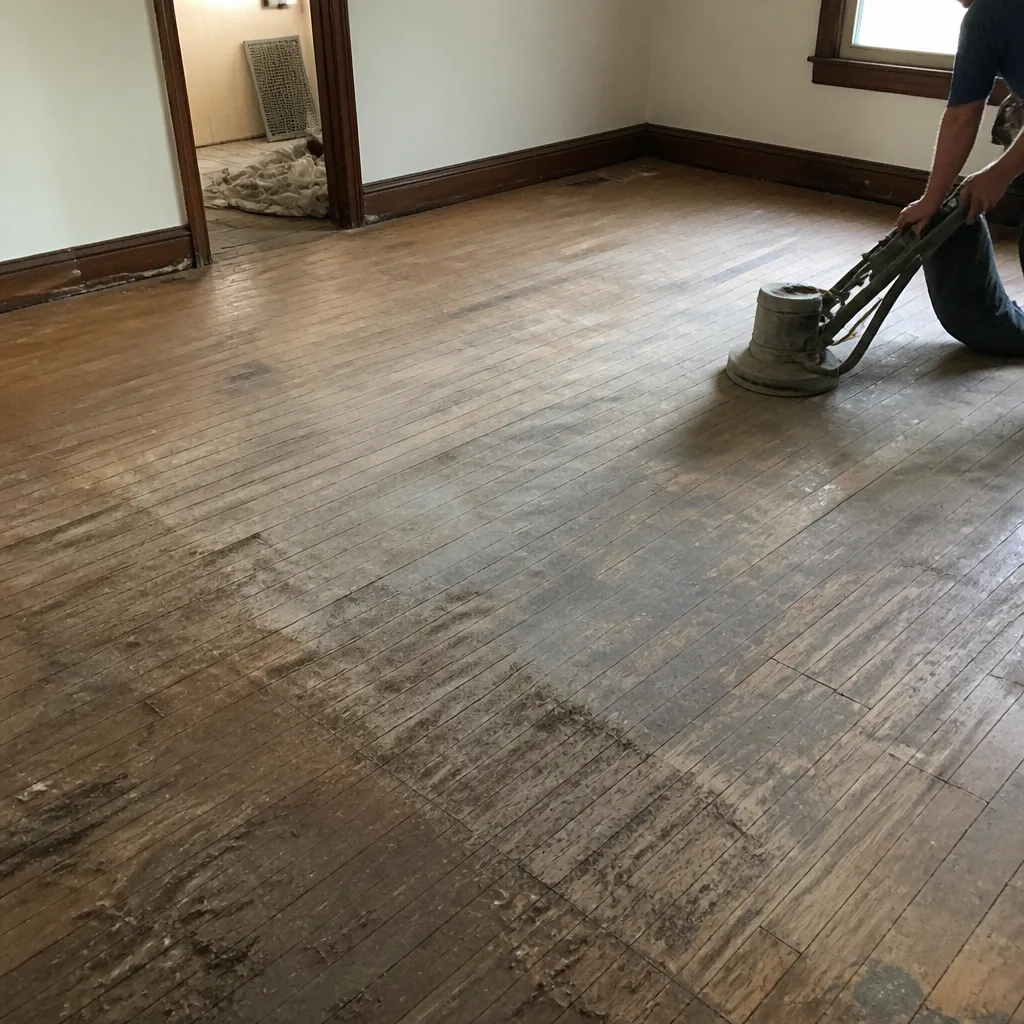 Before
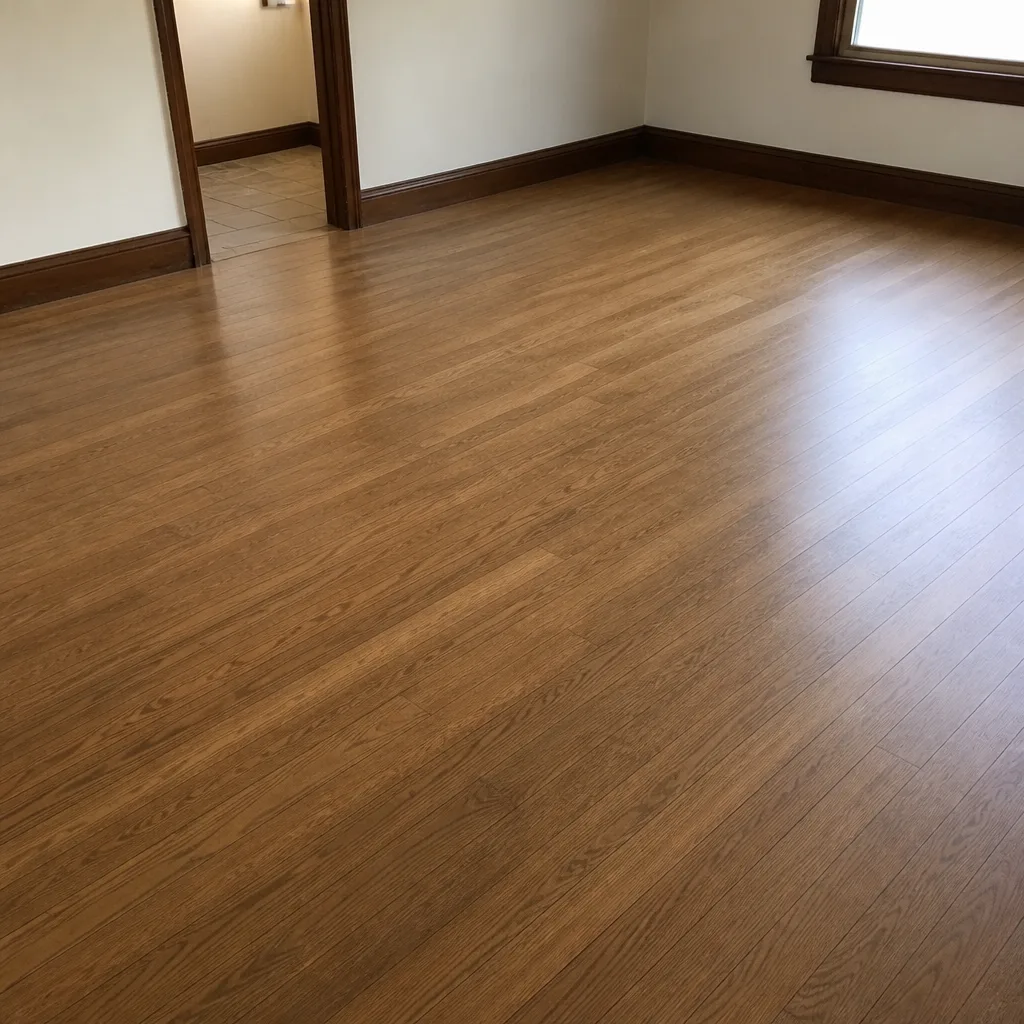 After
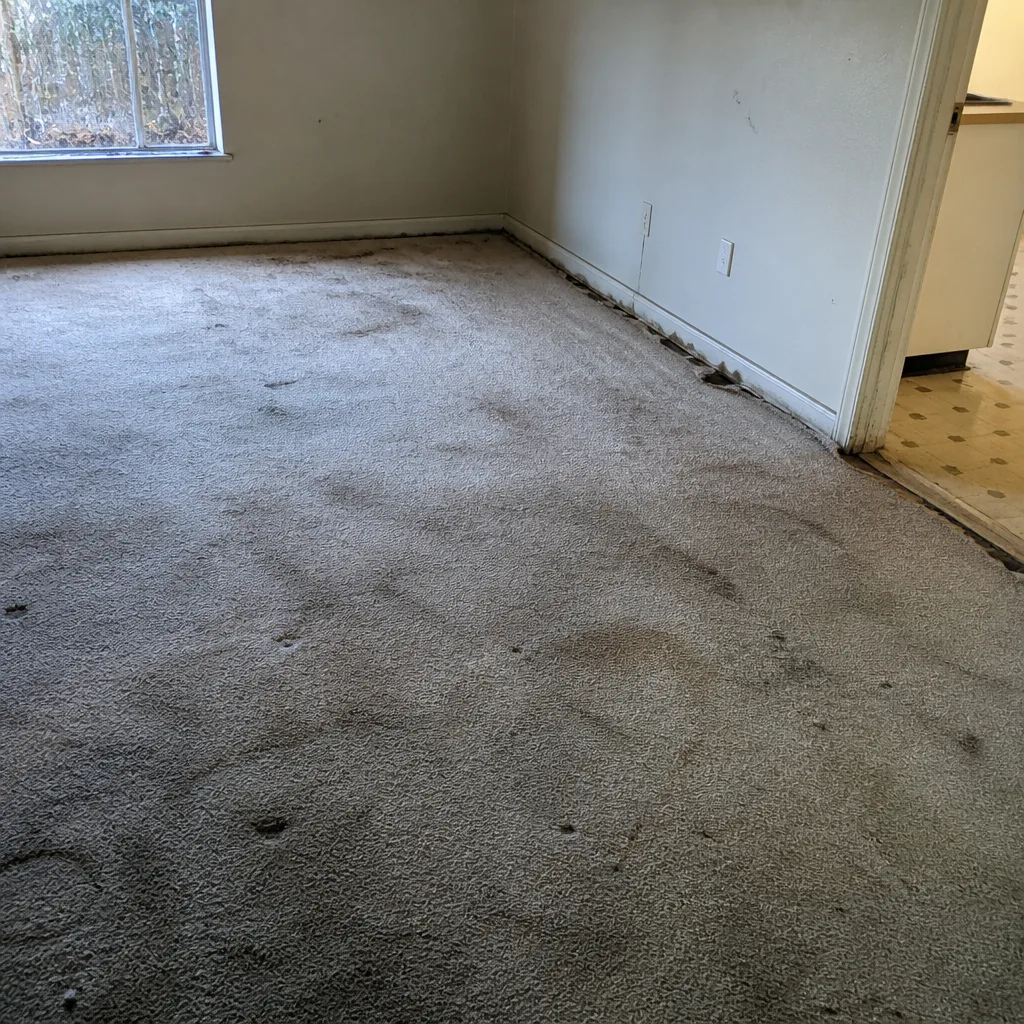 Before
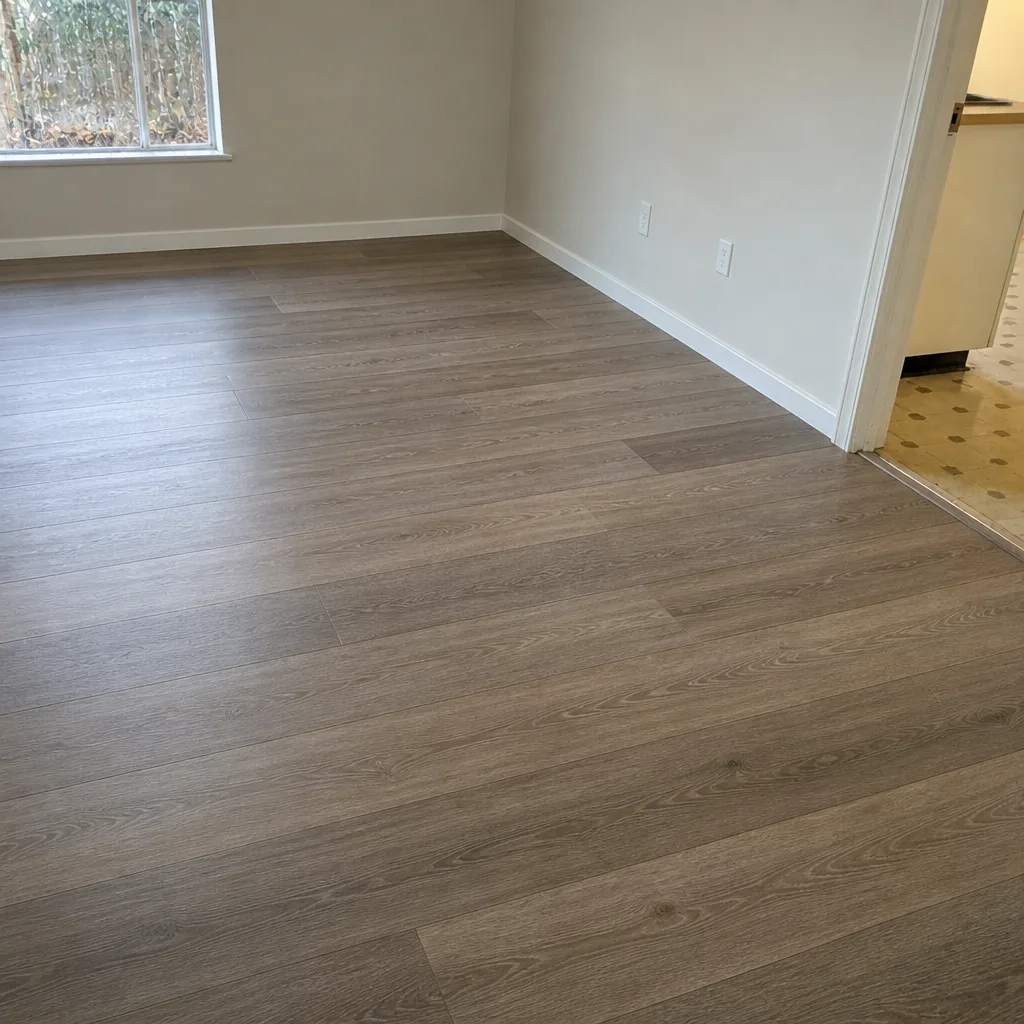 After
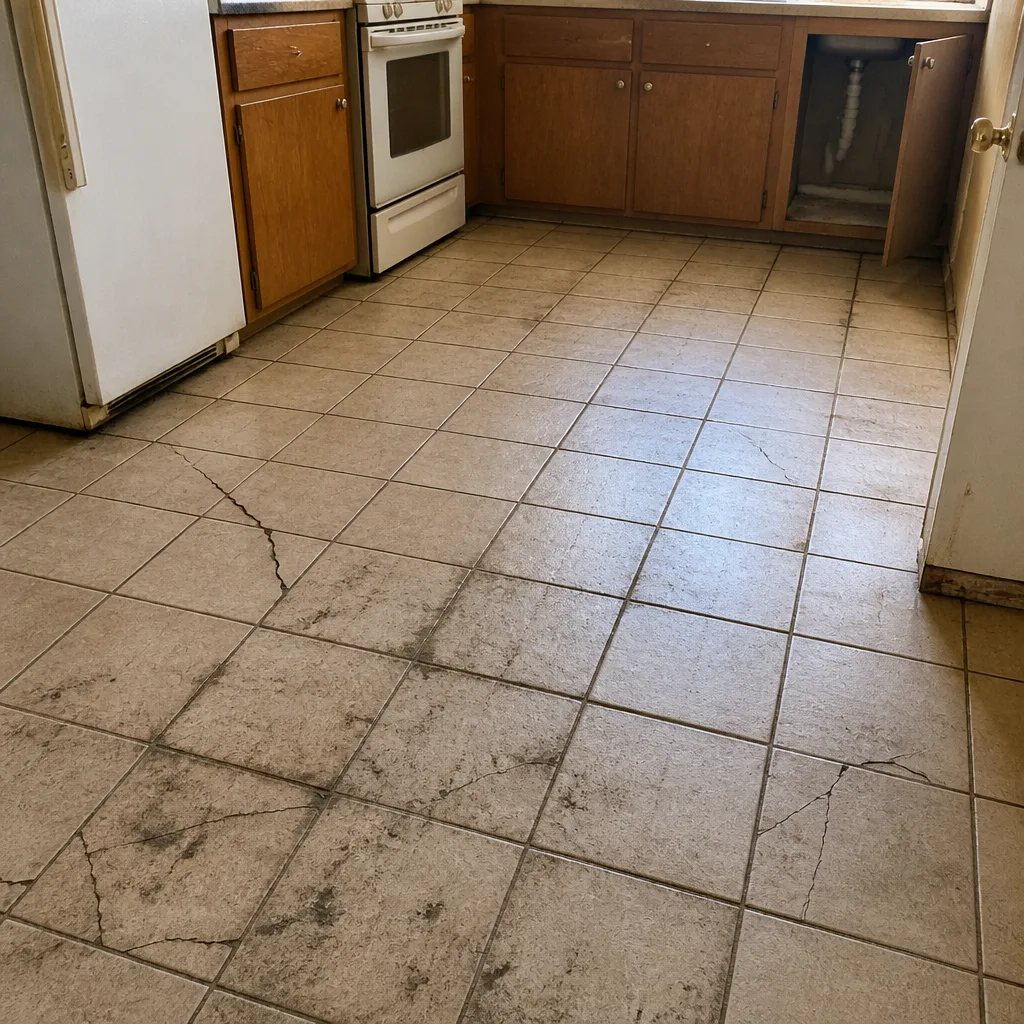 Before
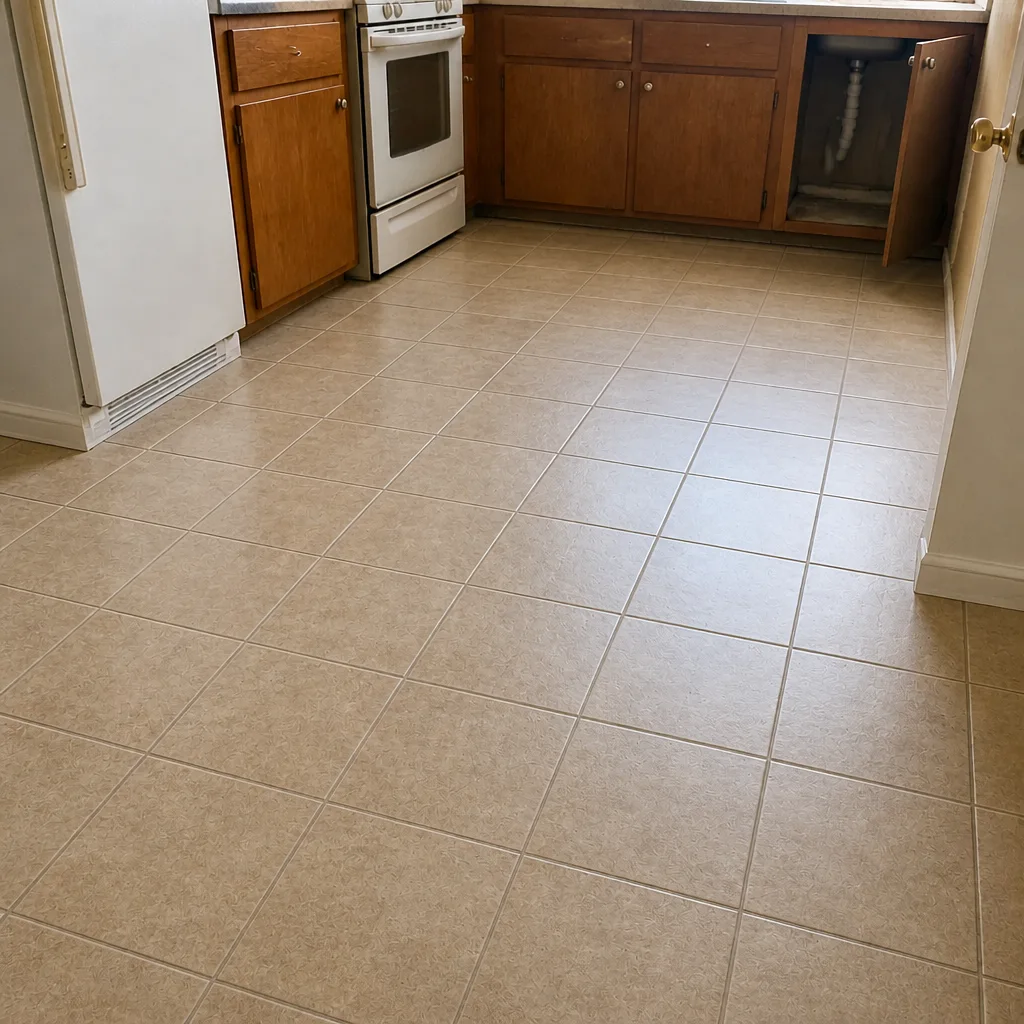 After
Frequently Asked Questions
Engineered hardwood is a good fit if you want real wood and can manage indoor humidity; luxury vinyl plank is the more forgiving choice on a desert slab and in wet-risk rooms. Which is “better” depends on the room: LVP for kitchens, baths, and laundry, engineered hardwood for living spaces where you want wood underfoot.
It can, but it’s a demanding choice. Solid hardwood moves with humidity swings, and Paradise’s dry air puts more stress on it than engineered does. If you want wood on a slab here, engineered hardwood is usually the safer route.
For most Paradise households, a 12mil wear layer is the residential sweet spot. Go to 20mil for high-traffic areas like a busy kitchen or a home office with rolling chairs. 6mil is really builder-grade or low-traffic only.
Yes, in dry rooms where budget is the priority. Laminate is tough and affordable, but it doesn’t belong in bathrooms or laundry rooms, and it needs a proper vapor barrier on a slab. For water-risk rooms, LVP is the better pick.
Often, yes. Tile handles heat and humidity without complaint, and a well-installed tile floor can outlast every other hard surface in the house. In kitchens, baths, and entries, the long-run cost math usually favors tile.
Yes. The free estimate visit is where we check your slab, talk through your rooms, and narrow your options to what will actually perform in Paradise. Call (844) 797-3061 to schedule it – estimates are free.
The Bottom Line
In Paradise, the floor you choose is decided first by your slab and your indoor air, then by room, then by budget. Engineered hardwood handles the desert climate better than solid; LVP is the most forgiving option for slabs and wet-risk rooms, with 12mil as the residential sweet spot; laminate still works in dry rooms on a budget; and tile wins the long-run cost math in kitchens, baths, and entries. The one thing that matters across all four is installation done right, with the substrate handled. Whether you’re replacing worn carpet or planning a mixed-floor home, start with a free estimate: call (844) 797-3061. We answer 24/7. Fast dispatch from 7am to 7pm, Sunday through Friday.
For carpet in the bedrooms, see our carpet installation service. For a whole-home plan that ties carpet, tile, and hardwood together, start with Carpet Installation Paradise.
Written by the team at Carpet Installation Paradise.