
Last updated November 18, 2026
 Hardwood
 Engineered hardwood
 Luxury vinyl plank
 Laminate
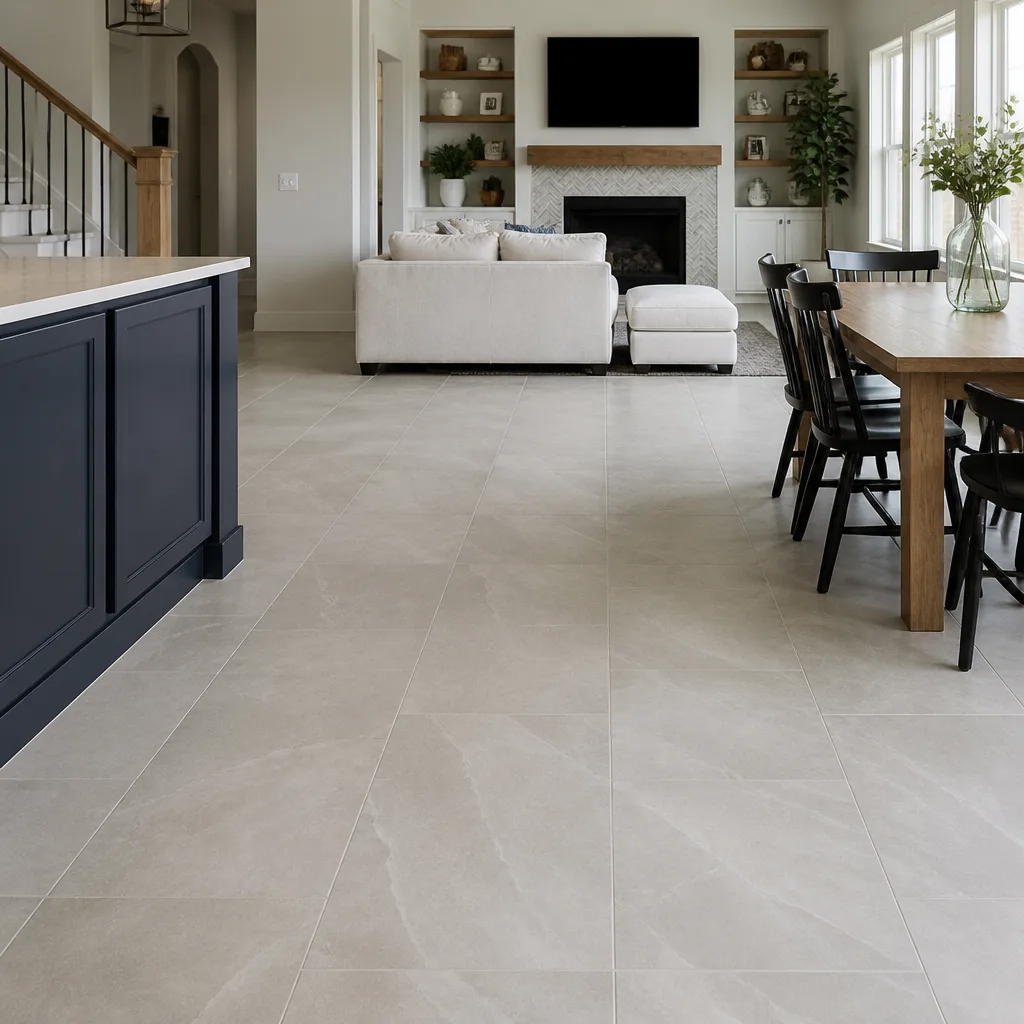 Porcelain tile
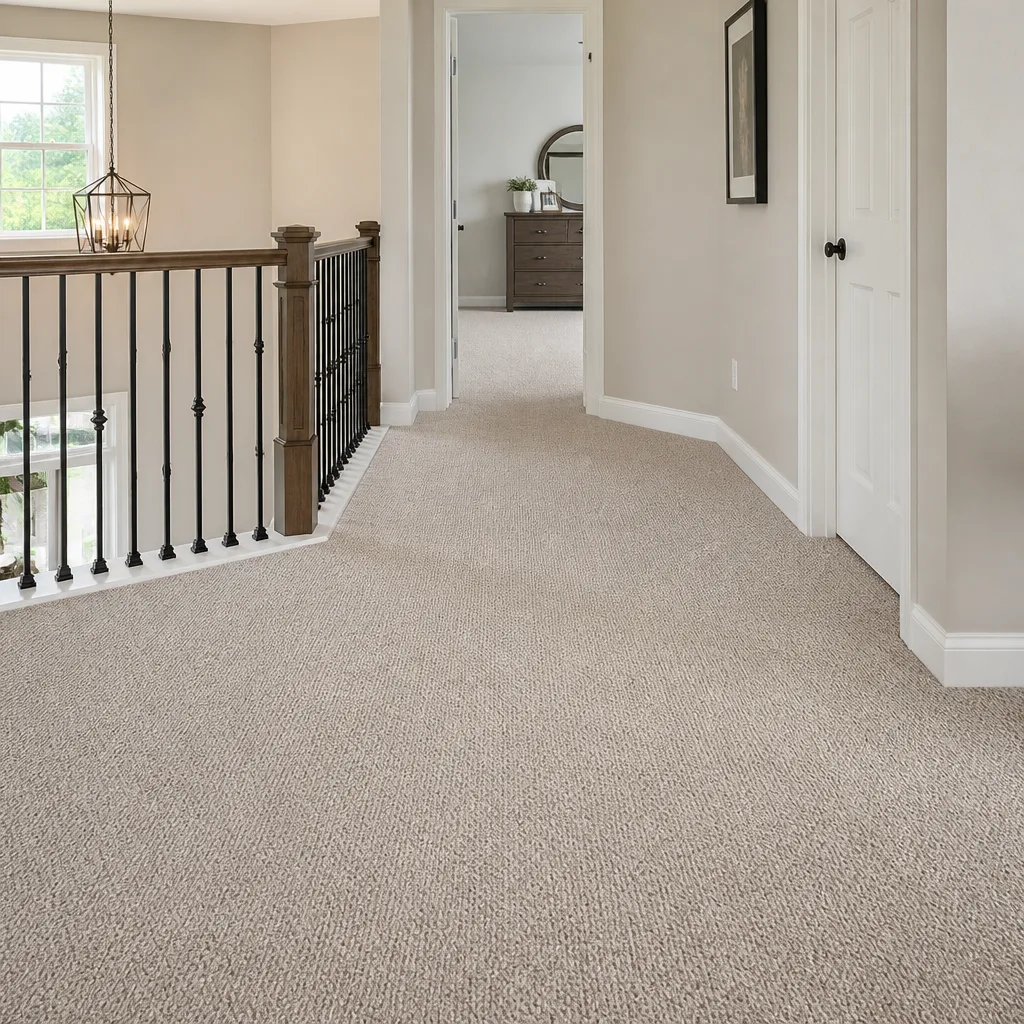 Carpet
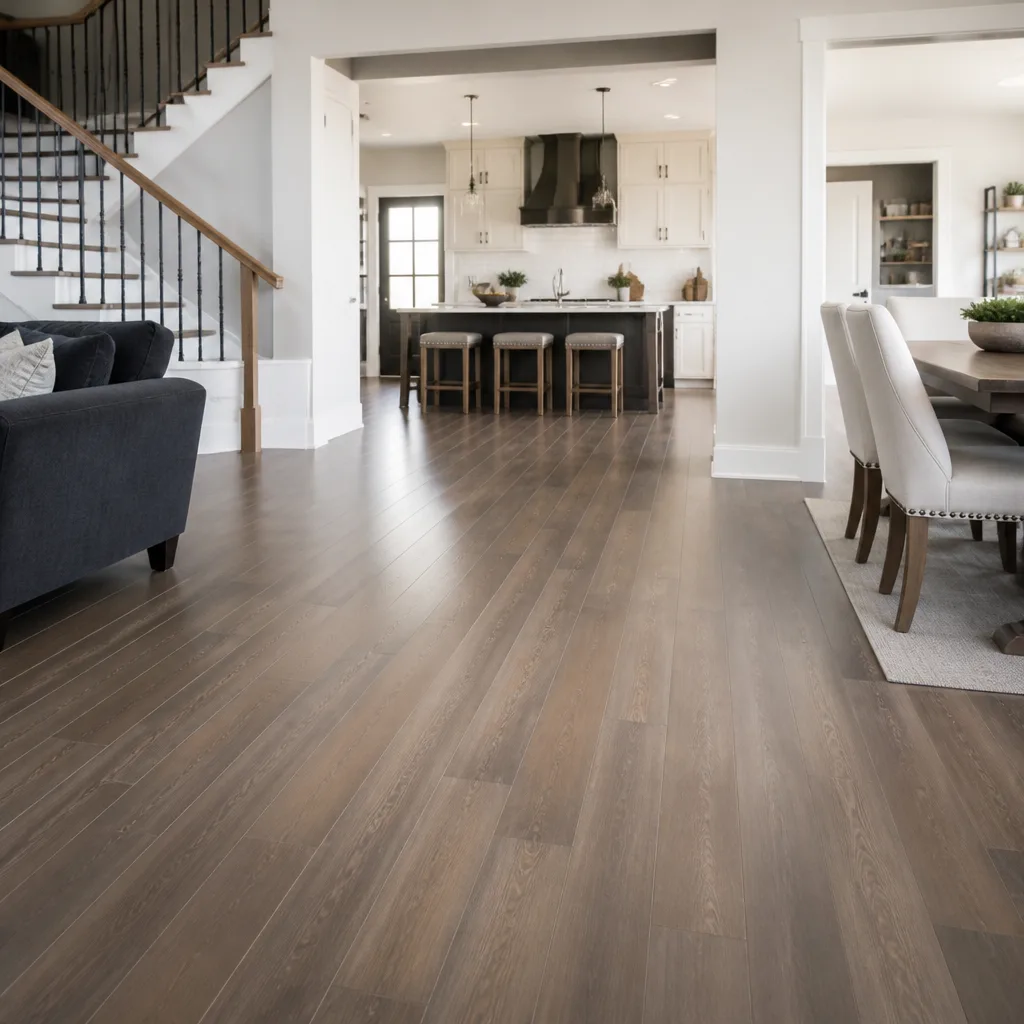 Shaw
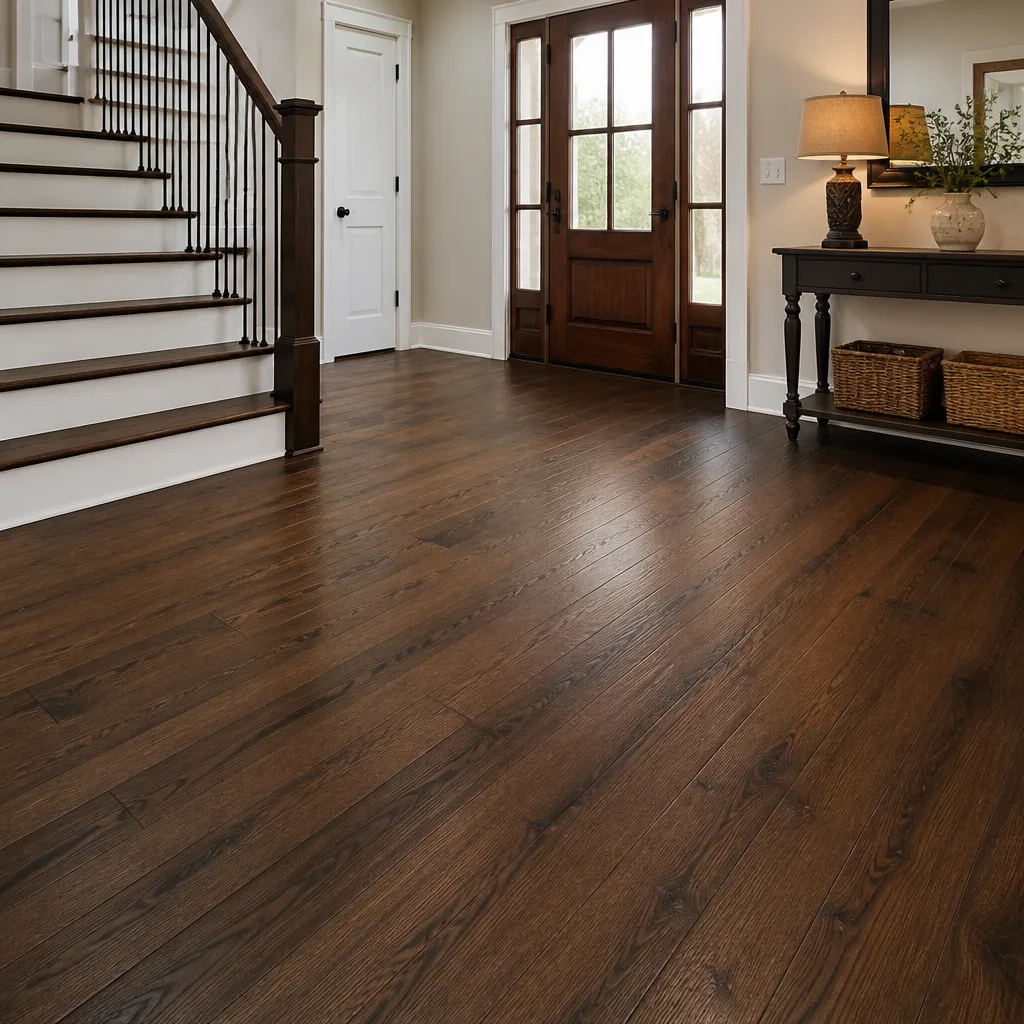 Mohawk
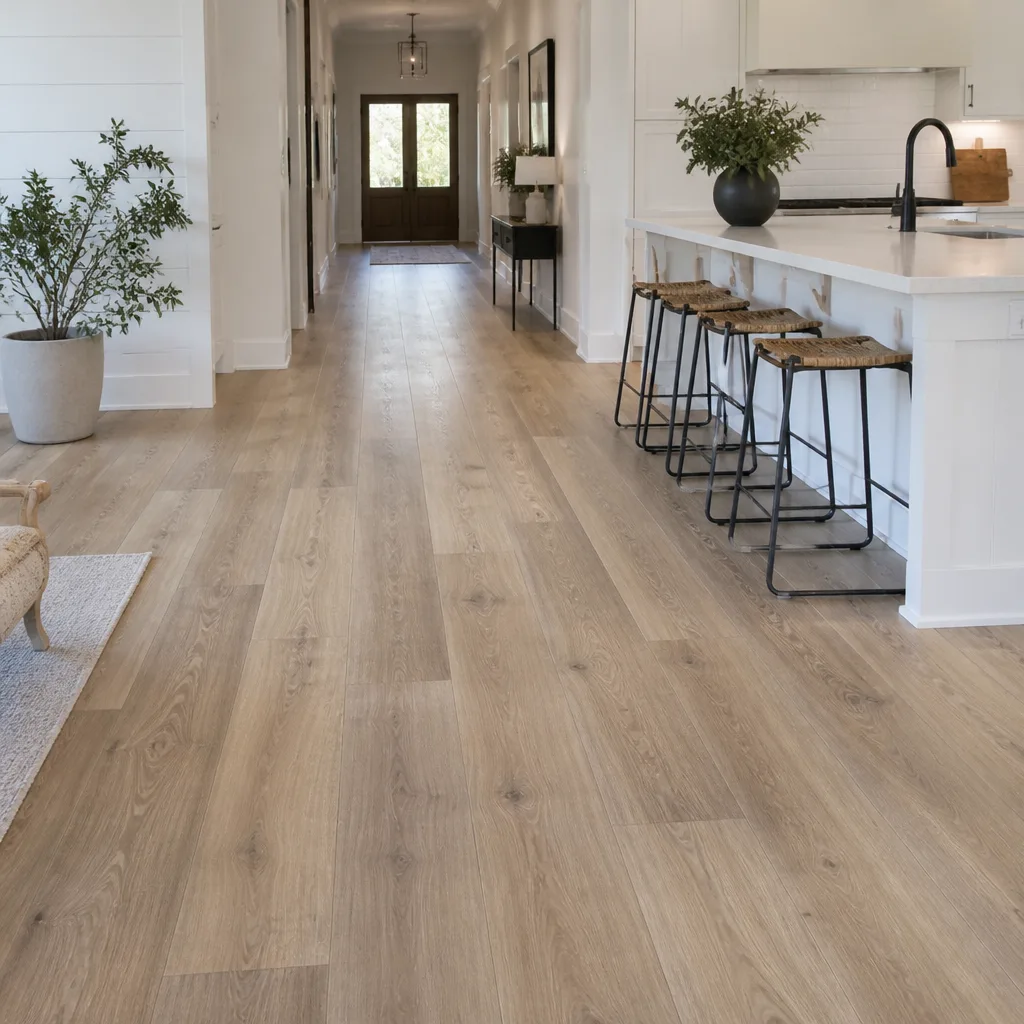 COREtec
 Pergo
Free in-home measure and written estimate: Shaw, Mohawk, COREtec and Pergo lines compared on your own rooms, with carpet, tile, vinyl plank, laminate and hardwood laid out side by side
Get your free estimateFlooring Installation Questions to Ask Before You Sign
There are six words that belong in every flooring contract and rarely appear: “includes subfloor repair if needed.” When that phrase is missing, the gap tends to surface after demo day, once the old floor is up and the crew has a look at what’s underneath. That’s the worst possible moment to negotiate. Most homeowners sign after two questions – what does it cost and when can you start – but the questions that actually protect you come earlier, during the vetting stage. This guide walks through the questions worth asking any flooring specialist in Paradise, from license verification to warranty fine print, so the quote you sign reflects the job you actually get.
Quick Answer
The most important questions to ask a flooring contractor in Paradise, NV are about licensing and insurance verification, a fully itemized scope of work including subfloor repair and haul-away, written product specifications with model numbers, and the split between labor and manufacturer warranties. Ask these before you sign, not after the floors come up. A written estimate that answers all four in plain language is the single best protection you have.
Styles & brands we work with
- Hardwood
- Engineered hardwood
- Luxury vinyl plank
- Laminate
- Porcelain tile
- Carpet
- Shaw
- Mohawk
- COREtec
- Pergo
Table of Contents
- How do you verify a flooring contractor’s license and insurance in Nevada?
- What should a flooring scope of work include?
- How do you confirm the product you’re quoted is the product installed?
- How do labor and manufacturer warranties actually work?
- What does a realistic install timeline and access plan look like?
- What happens if the flooring arrives damaged or short?
- Who hauls away the old floor, and where does it go?
- What warning signs should make you slow down?
How do you verify a flooring contractor’s license and insurance in Nevada?
Nevada requires contractors to hold a state contractor’s license for flooring installation work, and you can verify that license yourself in under five minutes through the Nevada State Contractors Board website. Ask for the license number, then look it up. Confirm the license class matches the work (residential flooring sits in a specific classification, and a general license isn’t the same thing), and check that the license is active with no disciplinary actions on record. If the license number isn’t offered before you ask, that’s already an answer.
Insurance is the second half. A legitimate flooring specialist carries general liability insurance and workers’ compensation coverage, and both should be current. Ask for a certificate of insurance naming the coverage and the policy dates, and don’t accept a verbal “we’re insured” as the whole answer. Your homeowner’s policy may not cover damage caused by an uninsured contractor’s crew, and that gap is worth asking about before anything gets moved into the room.
What to verify, in order
- Get the license number in writing, ideally on the quote itself.
- Look it up on the Nevada State Contractors Board site and confirm the classification fits residential flooring.
- Ask for a certificate of general liability insurance and check the coverage dates haven’t lapsed.
- Ask for workers’ compensation coverage for the crew doing the installation.
- Keep copies of all of it with your signed contract.
In Paradise, where so much of the housing stock is single-family and mid-century, a contractor’s license also tells you something about how the company operates: someone who’s invested in licensing is generally invested in doing the job by the book. That’s not a guarantee of quality, but it’s a basic filter. Ask the question plainly and watch how the answer comes back. A flooring specialist will hand over the number without hesitation.
What should a flooring scope of work include?
A flooring scope of work should list, line by line, every task the job involves: demolition and removal of the old floor, subfloor inspection and repair if needed, prep and leveling, materials and quantities, installation, transitions and trim, furniture moving, and haul-away of the old flooring and packaging. If any of those is missing from the written estimate, ask about it explicitly and get the answer in writing. A quote that says only “remove old carpet, install new carpet” is a quote that leaves room for a change order later.
Pay particular attention to the subfloor language. A concrete slab that’s out of flat is common in Paradise homes, and a wooden subfloor under an old carpet can hide soft spots, water staining, or old adhesive that needs attention. The estimate should say who inspects the subfloor and what happens if repair is needed – whether it’s included up to a stated allowance or billed separately at a stated rate. “We’ll deal with it when we get there” is not an answer.
Scope checklist
- Demo and removal of the existing flooring, named by type
- Haul-away and disposal of the old floor, packaging, and offcuts
- Subfloor inspection and repair, with an allowance or a stated per-square-foot rate if repair is needed
- Leveling or patching for concrete slabs and wooden subfloors
- Materials listed by brand, product, and quantity with waste factor
- Transition strips and thresholds at every doorway
- Baseboards and trim – removed and reinstalled, or replaced
- Furniture moving – what’s included and what you need to clear
- Final walkthrough and cleanup on completion
For a mixed-floor home – carpet in the bedrooms, tile in the kitchen and bath, hardwood in the living areas – the scope needs to be broken out by room and by material. A single-source flooring specialist can coordinate all three without handing you off to a second contractor. That’s part of what we do at Carpet Installation Paradise, and it’s worth asking any contractor whether they can handle the whole house or only one material.
How do you confirm the product you’re quoted is the product installed?
Get the manufacturer, product name, and model or style number in writing on the quote, along with the color, the construction (for carpet: face fiber and backing; for vinyl: wear layer and core construction), and the square footage. Then look the model number up on the manufacturer’s own website and confirm it exists, that the color is current, and that the specs match what you were quoted. This takes ten minutes and eliminates the single most common surprise in flooring: receiving a close cousin of what you thought you bought because the exact product wasn’t named.
Products like COREtec and LifeProof are sold in several lines with real differences between them, and “the contractor’s version of the same floor” is not the same floor. Karndean and other design-grade luxury vinyl lines are sold through flooring professionals for exactly this reason: the specification matters, and the model number is the only way to confirm it. If the quote says “waterproof vinyl plank, 12mm” with no brand and no style, ask for the full specification and don’t sign until you have it.
What to ask for in writing
- Manufacturer name and product line
- Style or model number and color name
- Square footage per room with the waste factor stated
- Construction details that affect installation: backing type for carpet, core and wear layer for vinyl
- Adhesive or underlayment spec, if used
- Confirmation that the material is being installed by the manufacturer’s written instructions
When we quote carpet installation, we specify the brand, the style, and the fiber. When a homeowner wants a waterproof plank, we’re quoting COREtec or LifeProof by name and model. If your contractor can’t name the product, that’s the question to push on. Brand selection across nine lines – from Shaw and Mohawk to Pergo and Daltile – is a design conversation, not a guessing game, and the quote should reflect that.
How do labor and manufacturer warranties actually work?
Labor warranty and manufacturer warranty are two different things, and the quote should address both in writing. The manufacturer’s warranty covers the product itself – defects in the material, wear, delamination – and it’s typically spelled out in the product literature. The labor warranty covers the installation: seams, transitions, adherence, and anything the crew did wrong. Ask for the length of the labor warranty in writing, what it covers, and what the process is if something fails. A good flooring contract doesn’t just promise a labor warranty; it tells you who to call and what happens next.
The year-two question is the one to test. Installation defects often surface after the first heating and cooling cycle, especially in Paradise, where summer temperatures push the interior of a home hard. If a seam starts to lift or a plank edge curls in month eighteen, who comes back, and at what cost? A labor warranty that only covers the first ninety days is thin. A labor warranty that doesn’t exist is a reason to walk.
Warranty questions, in plain language
- What’s the length of the labor warranty, in writing?
- What does the labor warranty cover – and what does it exclude?
- How do I file a labor warranty claim, and who do I call?
- What does the manufacturer warrant, and do I have the product literature?
- Are there conditions that void either warranty – installation over a subfloor that wasn’t prepped, for example?
- If I sell the home, does the warranty transfer?
Don’t accept a verbal “we guarantee our work.” Ask for the document. A contractor who can’t produce a written labor warranty in the estimate is telling you what they expect from the follow-up.
What does a realistic install timeline and access plan look like?
A realistic flooring timeline starts with a measure and a written estimate, then a product order, then a scheduled install date. The schedule gets set at the estimate; nobody can honestly promise a same-day install or a fixed arrival time before they’ve seen the rooms and the product has been ordered. For a mixed-floor home in Paradise, expect the estimate visit to include a room-by-room conversation about the sequence: tile before carpet, refinishing before either if you’re doing hardwood, because the dust and cure times drive the whole schedule.
Ask what hours the crew works, when you’ll get the product delivery date, and how long you need to stay off the floor after installation. Cure times depend on the product and the adhesive, and your contractor should tell you what the manufacturer’s instructions say. Furniture moving is worth pinning down too: are you expected to clear closets, and who moves the big pieces?
Access and logistics questions
- What dates are the order placed, the product arriving, and the install booked?
- What are the crew’s working hours?
- Which rooms need to be cleared, and who moves what?
- Where does the crew park, and which door do they use?
- How long until furniture goes back on the floor, per the manufacturer?
- What’s the plan if a room isn’t ready when the crew arrives?
For a full-house job, ask whether the crew works in sequence (bedrooms first, living room last) so you can sleep in the house during the project. That’s a scheduling question, not a hard-sell one, and any flooring specialist who’s done full-home work will have an answer ready.
What happens if the flooring arrives damaged or short?
Material arriving damaged, short, or in the wrong dye lot is the most common source of install-day delay, and the quote should say who’s responsible for handling it. Ask: is product ordered by the contractor or by you? What’s the plan if the delivered material is wrong? And is there a stated schedule cushion if a reorder is needed? The honest answer is that a reorder takes time – more time than a homeowner wants – so the plan matters more than the promise.
If you’re ordering the product yourself to save cost, you own that risk and the review before install. If your flooring specialist is ordering, they should confirm the delivery, check the boxes and the dye lot before the crew comes, and let you know if anything’s short. Ask which model that is. It’s a fair question, and the answer tells you how the contractor runs jobs.
Delivery questions
- Who places the order, and in whose name?
- What happens if the material is the wrong dye lot or color?
- Who inspects the delivery before install day?
- How long is the wait if a reorder is needed?
- Are the extra boxes – the waste factor – stored or hauled away?
On a carpet installation, a dye lot mismatch between rooms is one of the harder problems to fix after the fact, so a good contractor checks the roll numbers before the first tackless strip goes down. On tile, the box-lot number is the equivalent. Both are easy to ask about and expensive to discover later.
Who hauls away the old floor, and where does it go?
Old floor removal and haul-away should be listed as a separate line on the estimate, with the disposal method named. “We’ll take it with us” isn’t specific enough. Ask where the old flooring goes, whether there’s a recycling option for what’s being removed, and whether the disposal cost is included or billed separately. In Paradise, where older homes often hide carpet over old tile over old hardwood, the demo and haul-away line can be as significant as the install line, and it should be priced explicitly.
This is also the moment to talk about what’s under the old floor. Pulling up carpet in a 1960s Paradise home sometimes reveals a troweled-on adhesive or a subfloor that needs attention. Ask your contractor what their plan is if they find something unexpected under the demo, and get the answer in writing.
Haul-away checklist
- Is the haul-away a separate priced line?
- Where does the material go, and is any of it recycled?
- Are the packaging and offcuts removed, or left for you?
- What’s the disposal policy for old tile or carpet padding?
- What happens if the demo uncovers a subfloor issue – who pays, and is it allowed?
If you’re refinishing hardwood instead of replacing it, ask about the dust containment plan: contain-and-collect sanding equipment keeps the rest of the house cleaner during a refinish. That’s part of what we do with our refinishing work, and it’s worth asking any hardwood contractor.
What warning signs should make you slow down?
The warning signs in a flooring quote are mostly absences, not presences. A quote with no product spec, no scope line items, no labor warranty, and no mention of subfloor repair is a quote that leaves you exposed. A contractor who won’t give the license number, or won’t hand over the insurance certificate, is a pass. A contractor who wants a large cash deposit before the estimate visit, or who won’t put the estimate in writing, is a pass.
Listen for the phrase “we’ll figure it out on the day.” It sounds flexible; it usually means the change order is coming. The same is true of a price that’s well below every other quote with no explanation: the difference is almost always the scope, the product spec, or the crew. Ask a specific question about the subfloor and watch how the answer comes back.
Red flags to watch for
- No license number on the quote, or a number that doesn’t verify on the Nevada State Contractors Board site
- No certificate of insurance, or coverage that’s expired
- “Waterproof” claimed with no brand name, or a model number that doesn’t match the manufacturer’s site
- No written scope, or a scope with no demo, haul-away, or subfloor line
- No written labor warranty
- A pressure to sign today, or a discount that expires in 24 hours
- A promise of a same-day install before anyone has measured the rooms
One practical test: ask the contractor who does the work – a W-2 crew, a subcontractor, or a day-labor roster. The answer doesn’t have to be “our own employees,” but it does have to be specific. A flooring specialist will tell you.
Common Mistakes to Avoid
- Signing before the subfloor plan is in writing. The most common surprise in Paradise flooring is a subfloor repair that wasn’t in the estimate. Ask for an allowance or a stated rate before you sign, not after the demo.
- Accepting a quote without a model number. “Waterproof vinyl” is a category, not a product. If the quote doesn’t name the brand, line, and color, you can’t confirm what you’re getting.
- Comparing quotes by price only. A quote that leaves out demo, haul-away, and transitions isn’t cheaper – it’s just missing lines that will show up later as change orders.
- Skipping the license lookup. The Nevada State Contractors Board lookup takes four minutes. An expired or wrong-class license is a defect no labor warranty will fix.
- Assuming the manufacturer warranty is the labor warranty. They cover different things and run on different clocks. Get the labor warranty in writing and check what’s excluded.
- Moving furniture at the last minute. Clear access matters. A crew that spends its install morning moving beds loses scheduling time and the install day runs long.
- Not asking about dye lot and box lot. On carpet and tile, a lot mismatch shows up as a visible seam between rooms. Ask the contractor how they verify lot numbers before install.
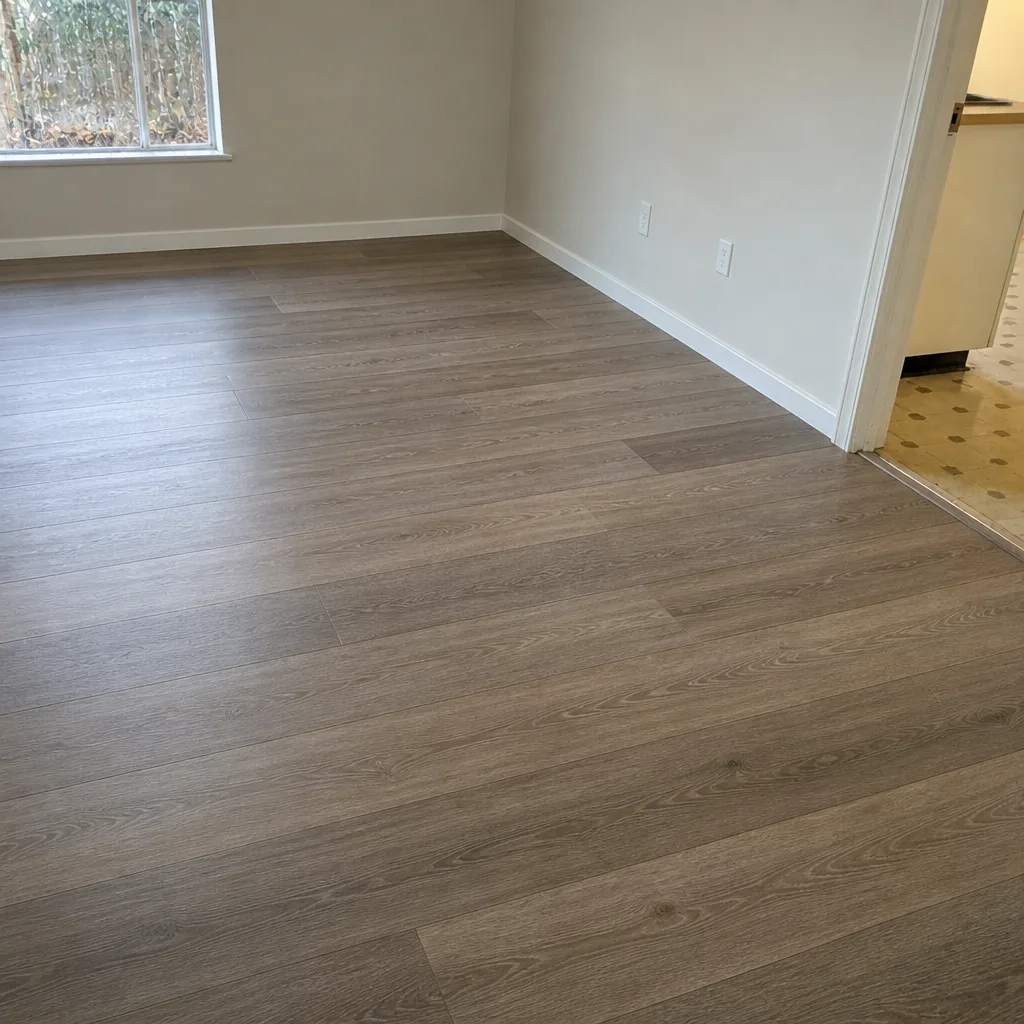
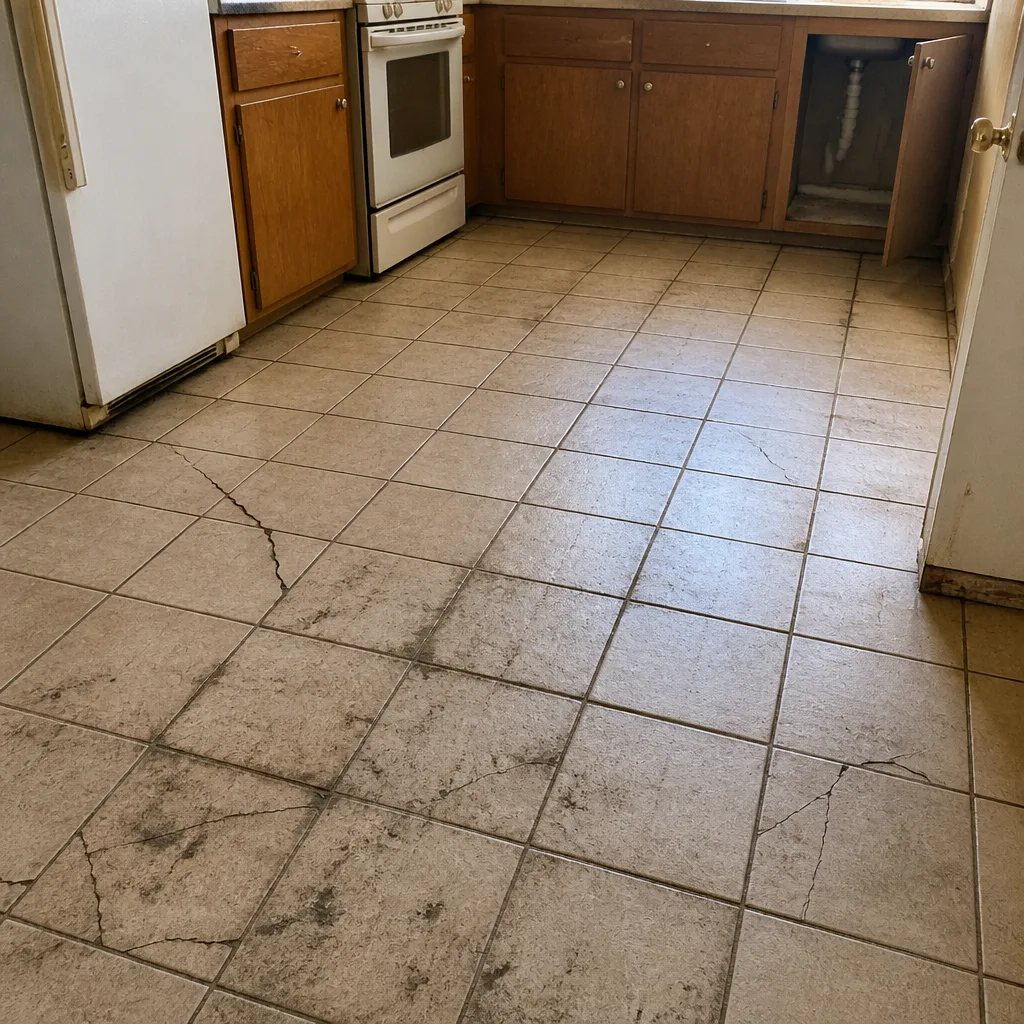
See the difference
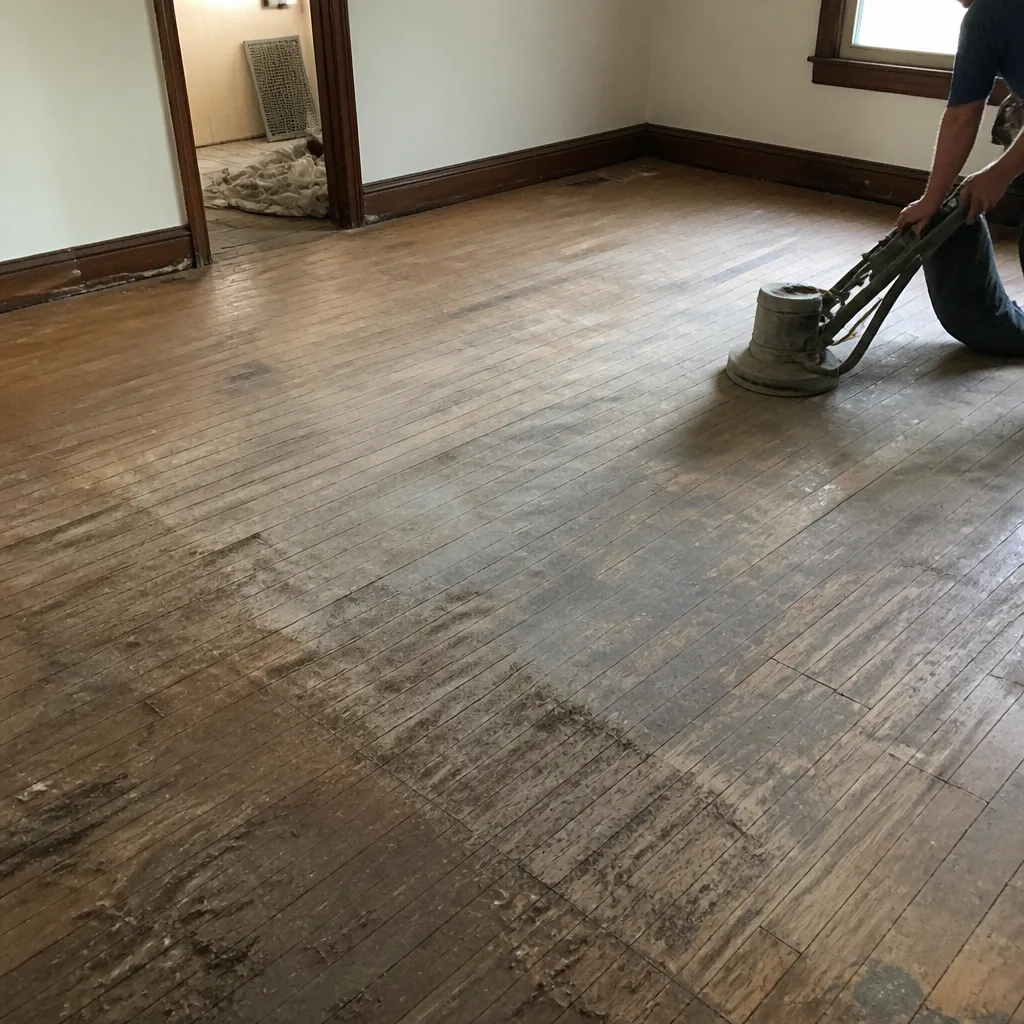 Before
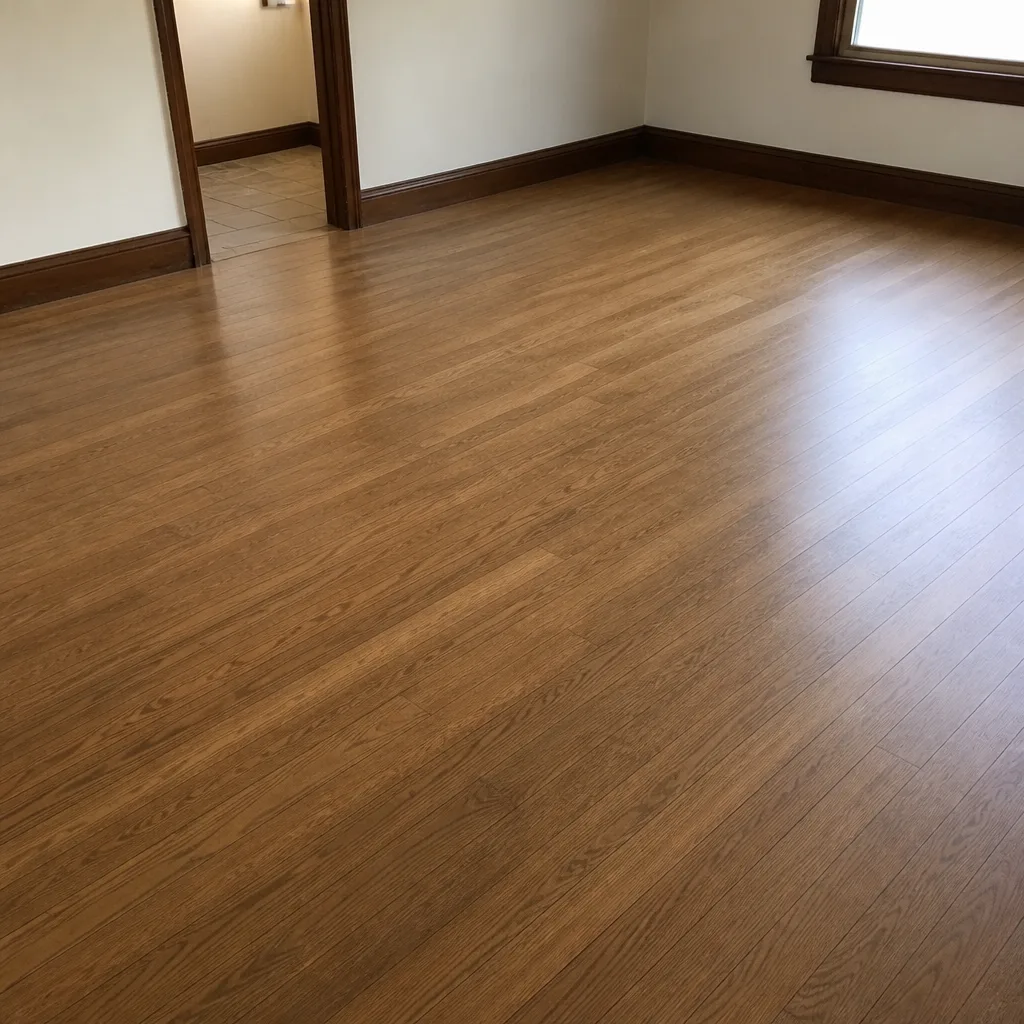 After
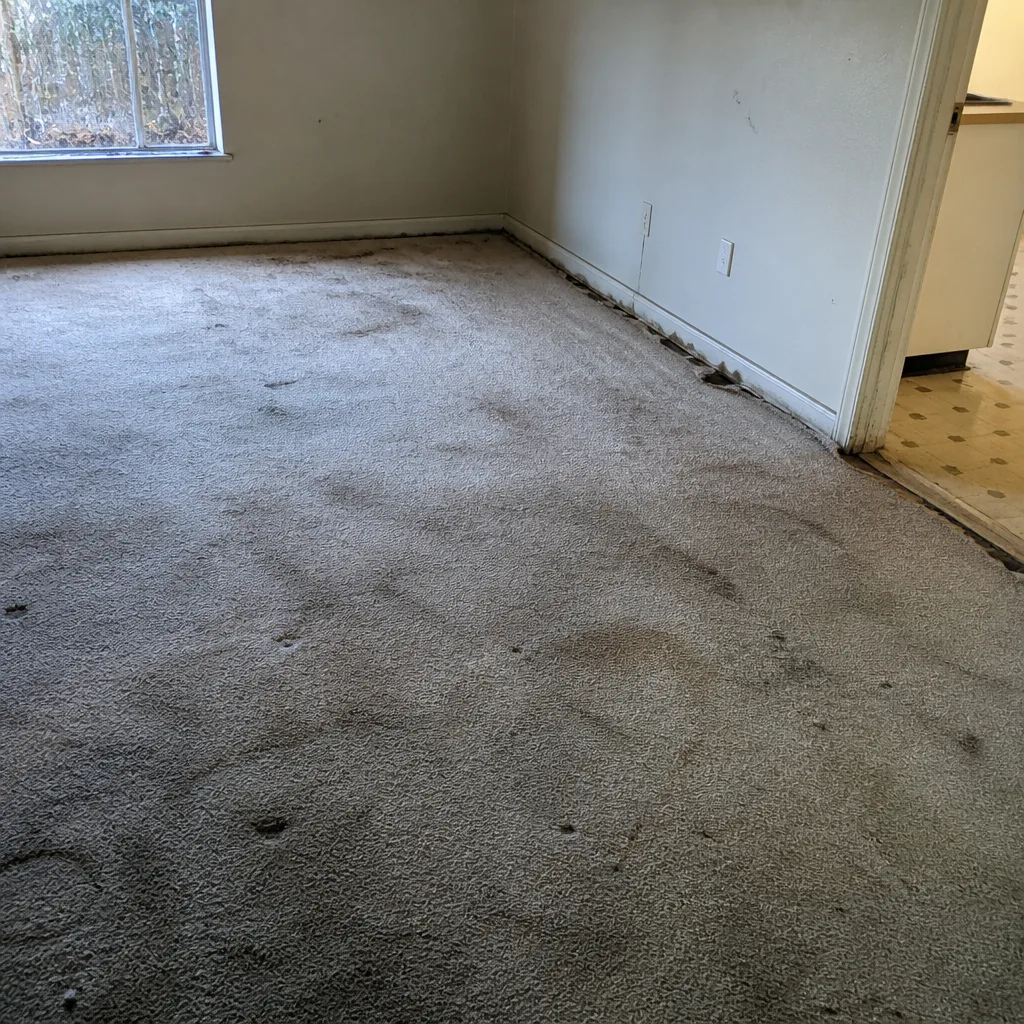 Before
 After
 Before
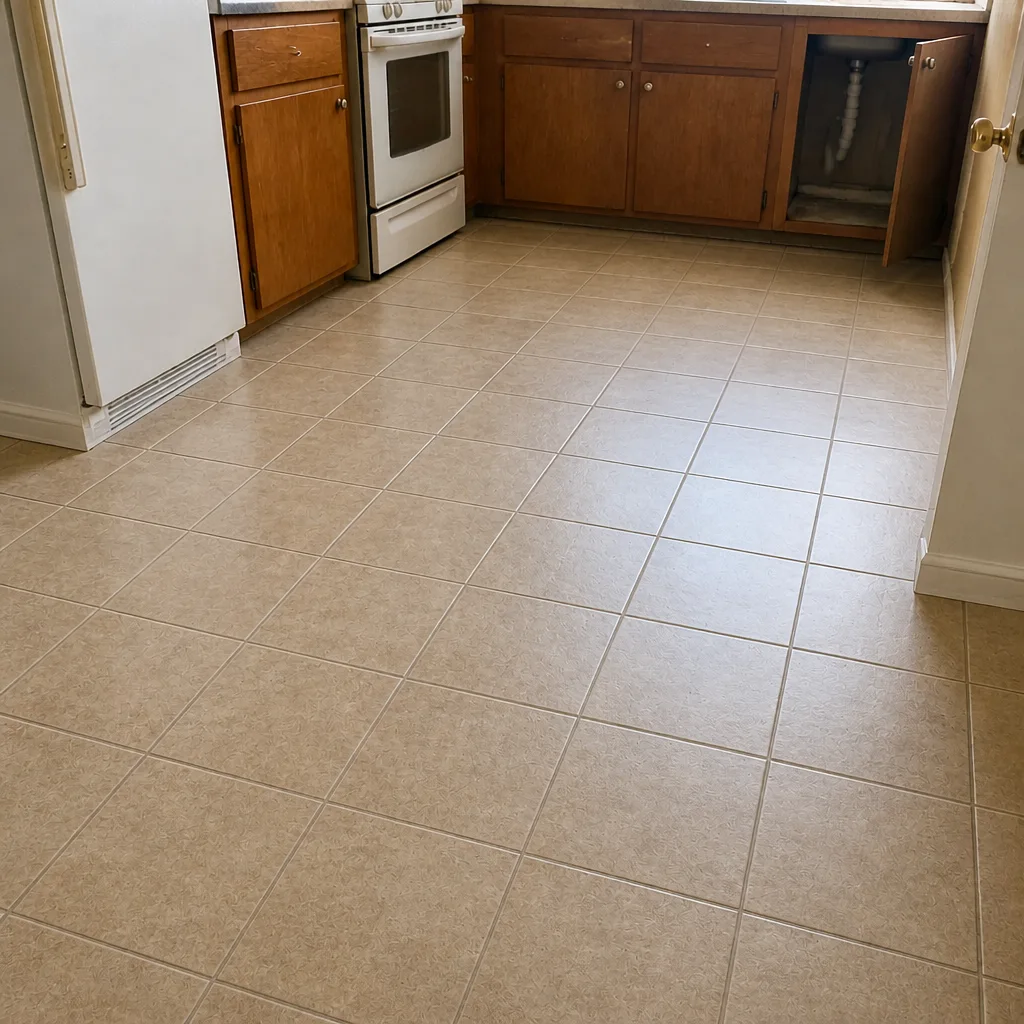 After
When to Call a Professional
Call a professional flooring specialist before you buy material at a big-box store, and before you sign a quote that doesn’t fully answer the scope, product, and warranty questions above. Call us if you’re working through a mixed-floor home and need one contractor for carpet, tile, and hardwood in sequence. Call us if you want the floor to be laid on a subfloor that’s been inspected – not just covered. Call us if a previous install left a seam lifting, a plank curling, or a transition that doesn’t sit flush, and you want to know whether it can be fixed without ripping out the whole room. Carpet Installation Paradise offers free estimates in Paradise – call (844) 797-3061. We answer 24/7. Fast dispatch from 7am to 7pm, Sunday through Friday. Our technicians have up to 12 years of experience.
Frequently Asked Questions
Ask for the Nevada contractor’s license number and verify it on the state board’s site, ask for a certificate of insurance, ask for a written scope that includes subfloor repair if needed, ask for the model number of every product being installed, and ask for the labor warranty and manufacturer warranty in separate written documents. Get all five answers before you sign. Call (844) 797-3061 for a free estimate.
Ask for the license number, then look it up on the Nevada State Contractors Board website. Confirm the license is active, the classification matches residential flooring, and there are no disciplinary actions on record. If the number can’t be produced in writing, treat that as a no. A flooring specialist will hand it over without hesitation.
The manufacturer warranty covers the product; the labor warranty covers the installation. Ask for the length of the labor warranty in writing, what it covers, and how to file a claim if a seam lifts or a plank edge curls in year two. A manufacturer warranty doesn’t help if the installation caused the failure. Call (844) 797-3061 if you want to talk through a labor warranty question on an estimate.
Yes. The estimate in Paradise is free, and the price you pay is set per job by the written estimate after the in-home measure. The estimate is not a sales pitch – it’s a scope, a product spec, and a price in writing. Call (844) 797-3061 to schedule your free estimate.
The install length depends on the square footage, the product, and the subfloor condition, and the exact schedule gets set at the estimate – not before. Ask for the timeline in writing when you get the quote. For a full-house job, ask the crew to sequence rooms so you can stay in the home during the work. Call (844) 797-3061 to set the measure and talk through the rooms.
Yes. We install across nine name-brand lines including Shaw, Mohawk, COREtec, Pergo, LifeProof, Mannington, Armstrong, Daltile, and Karndean. The quote names the brand, style, and color for every floor, so you can verify the specification against the manufacturer’s own site before you sign. Call (844) 797-3061 to schedule a free estimate on a specific product.
The Bottom Line
Most flooring contracts are won or lost in the questions you ask before the quote is written. The four that matter most: license and insurance, verified on the state board’s site; a scope that names subfloor repair, demo, and haul-away; a written product spec with model numbers; and a labor warranty separate from the manufacturer’s. A quote that answers all four in plain language is a quote you can sign with your eyes open. If yours doesn’t, ask again. Nine brands, one installer, and one phone call for a free estimate in Paradise: (844) 797-3061. We answer 24/7. Fast dispatch from 7am to 7pm, Sunday through Friday.
Written by the team at Carpet Installation Paradise.