
Last updated November 18, 2026
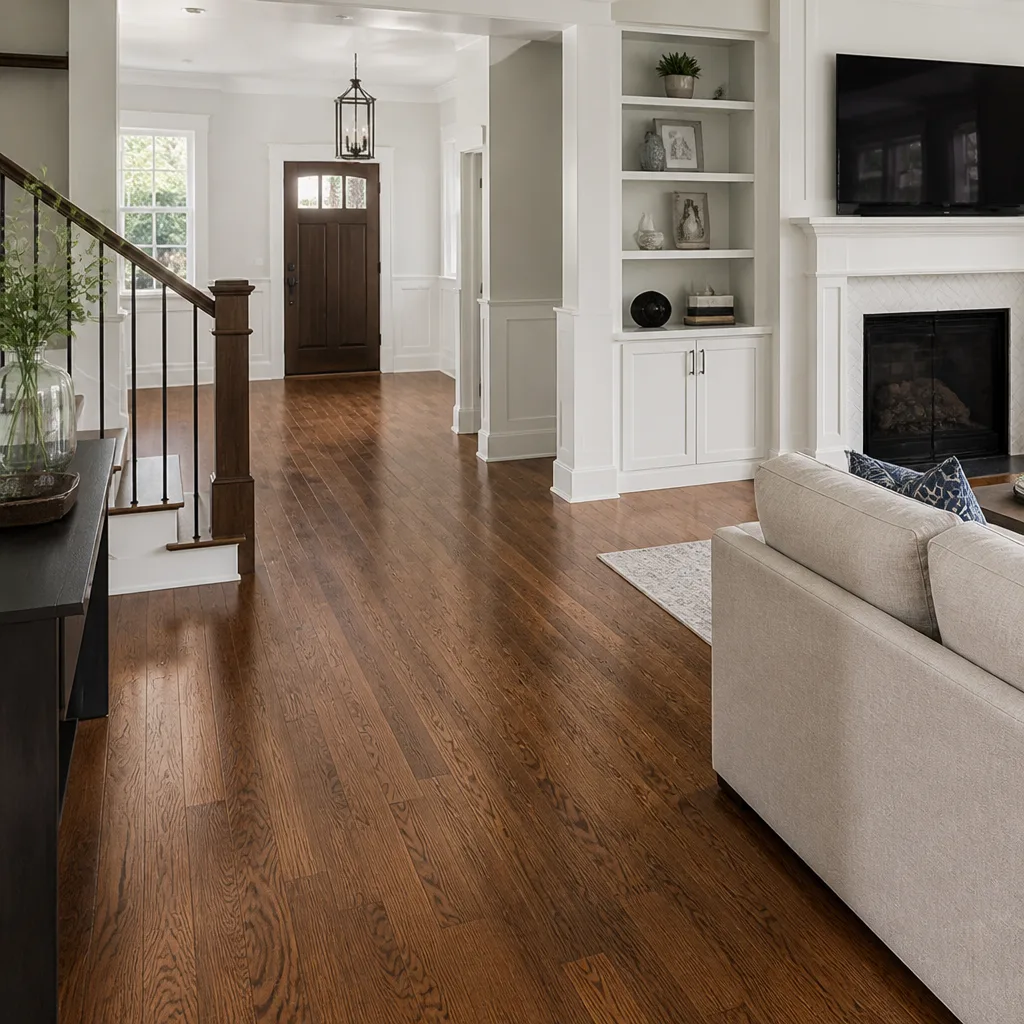 Hardwood
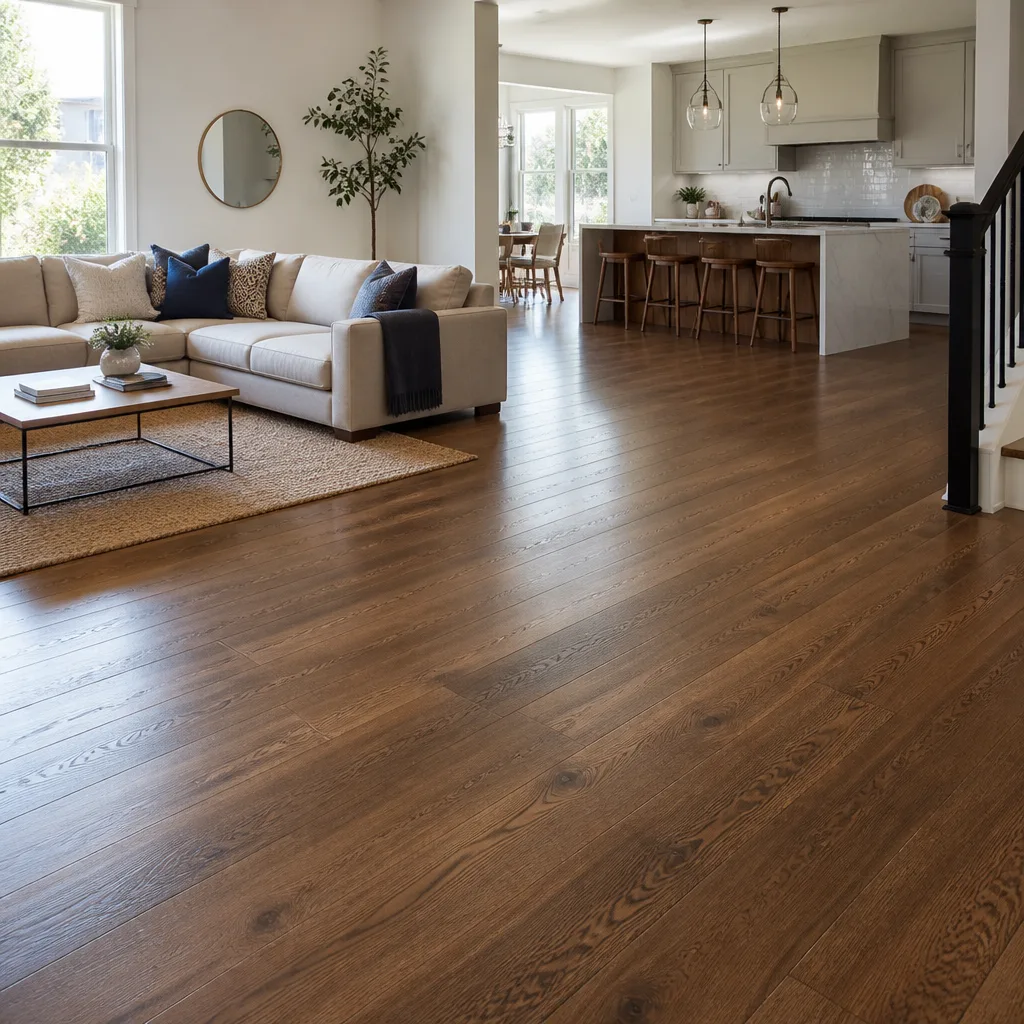 Engineered hardwood
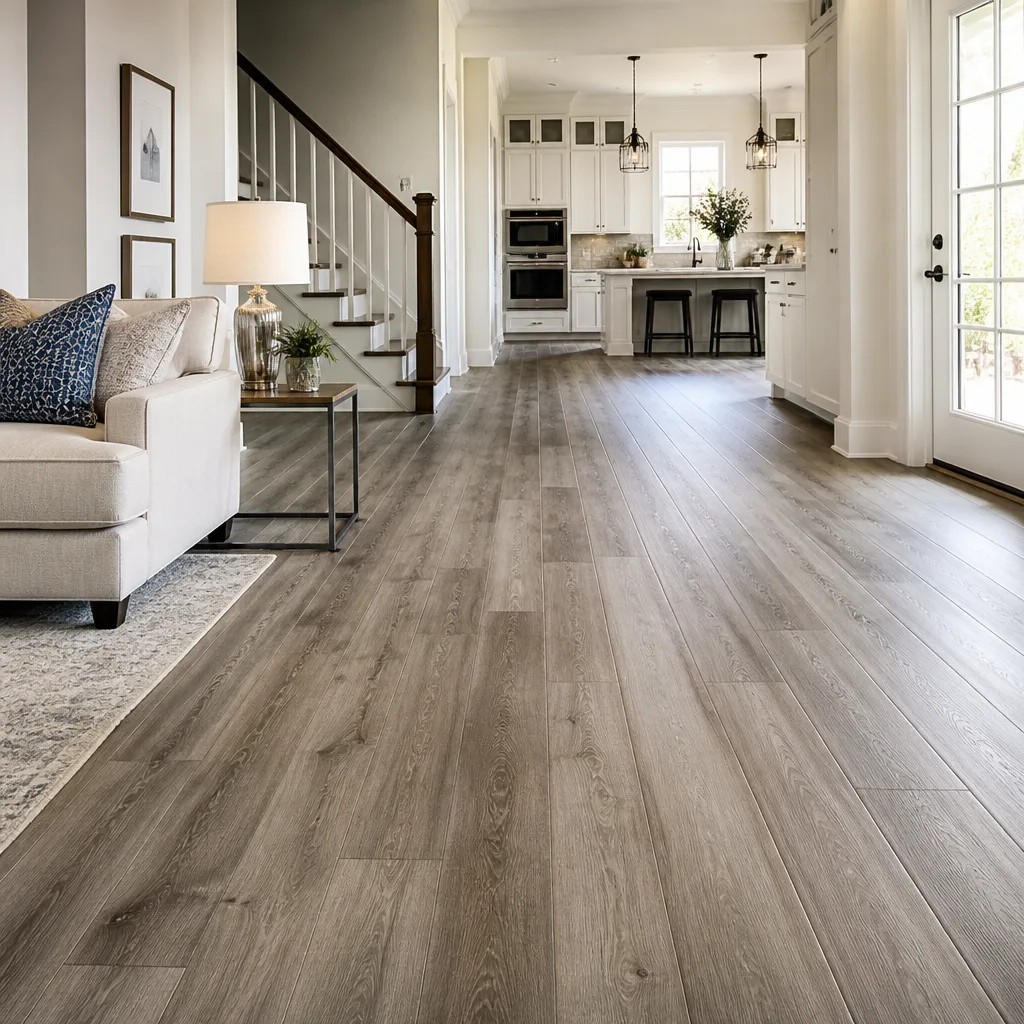 Luxury vinyl plank
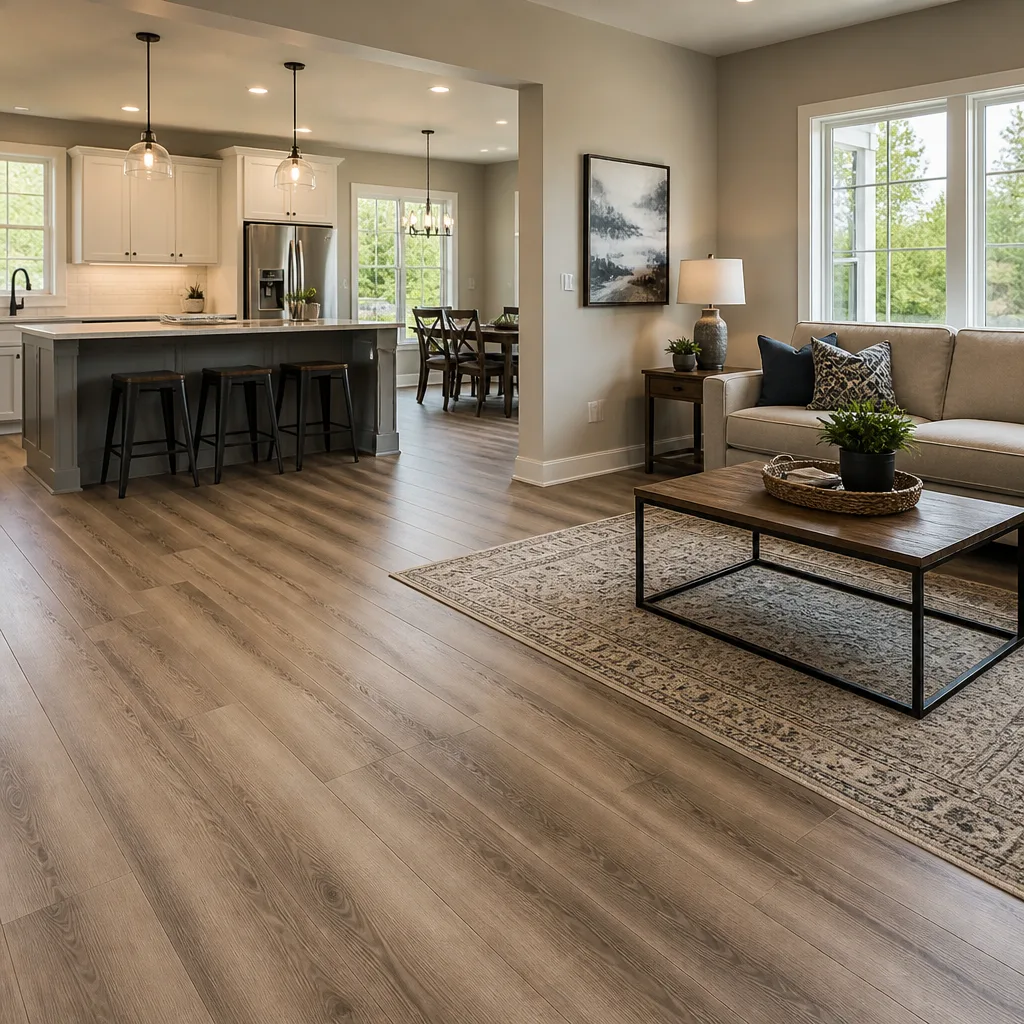 Laminate
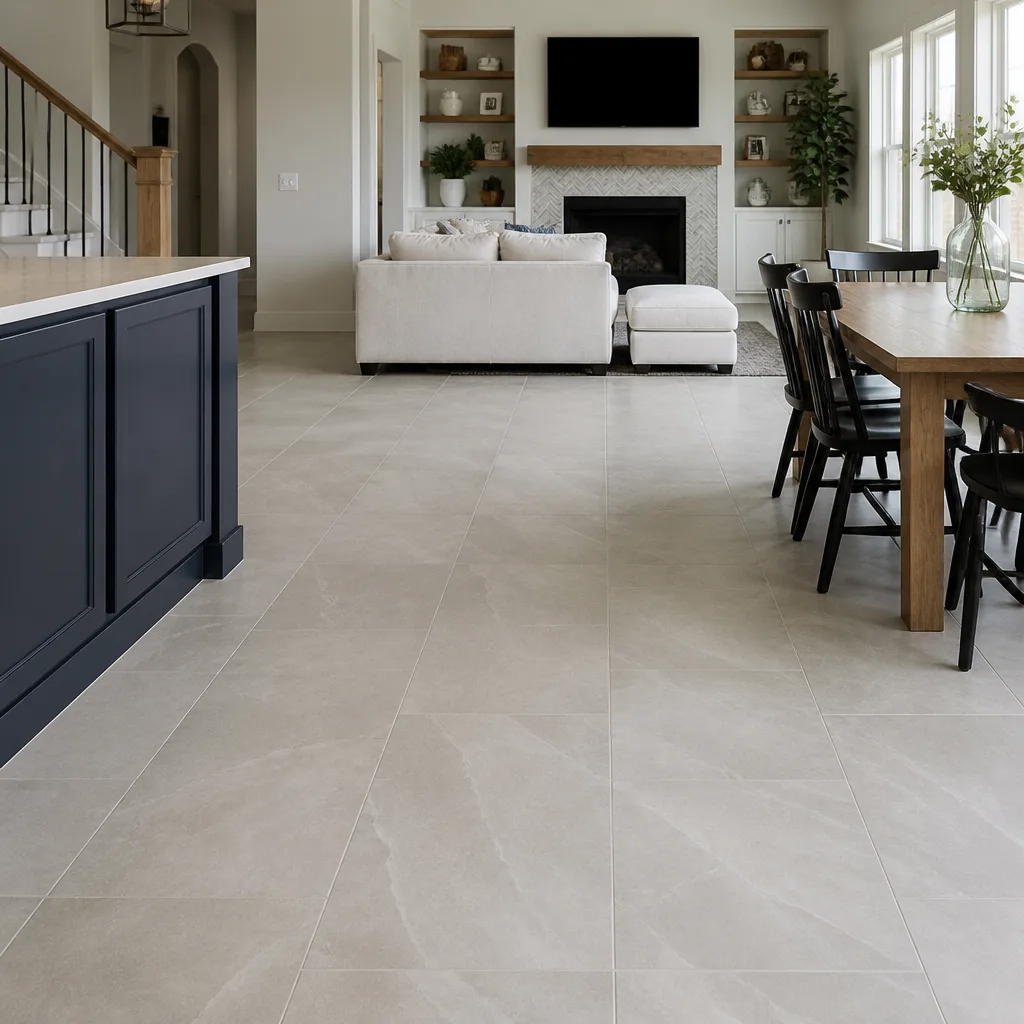 Porcelain tile
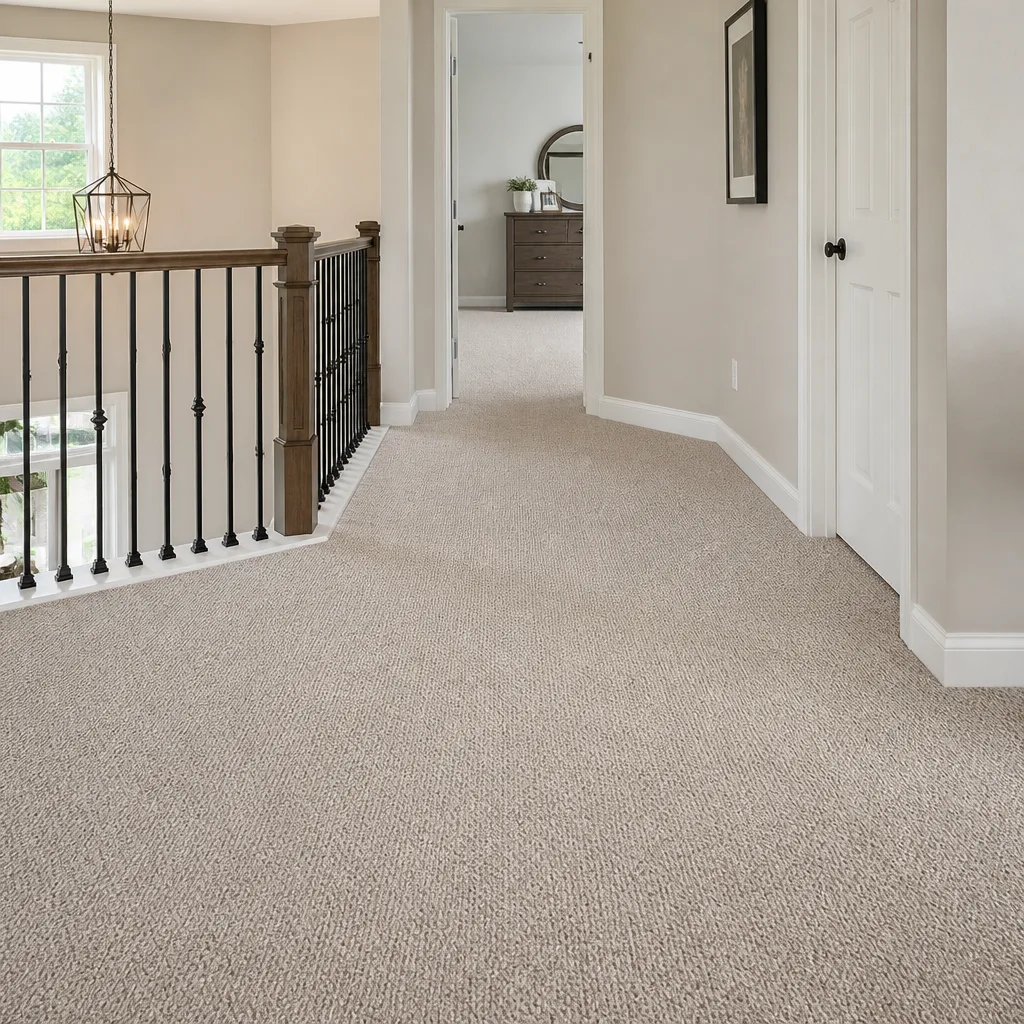 Carpet
 Shaw
 Mohawk
 COREtec
 Pergo
Free in-home measure and written estimate: Shaw, Mohawk, COREtec and Pergo lines compared on your own rooms, with carpet, tile, vinyl plank, laminate and hardwood laid out side by side
Get your free estimateWhat Happens at a Free In-Home Flooring Estimate in Paradise
Most homeowners treat the in-home estimate as a formality. Get the number, compare it against a big-box quote, pick the lower one. That works for buying a sofa. It doesn’t work for floors, because the number that matters isn’t the one printed on the first page of the quote. It’s the one that changes once the old carpet comes up and the subfloor tells its own story. An estimate that skips the walkthrough, the moisture check, and the conversation about transitions and door clearances is a guess wearing a price tag. In this guide we’ll walk through exactly what a thorough in-home flooring estimate in Paradise should cover, the questions to ask before the quote is written, and how to spot the difference between a specialist’s visit and a generalist’s drive-by.
Quick Answer
A free in-home flooring estimate in Paradise is a diagnostic visit, not a sales call. A thorough estimator measures every room including closets and angles, inspects the subfloor for moisture, levelness and old adhesive, checks door clearances and transition points, and asks how you actually use each space before recommending a product. The written quote you receive at the end should list demo, prep, materials, trim and disposal as separate line items so you can compare it fairly against any other estimate.
Styles & brands we work with
- Hardwood
- Engineered hardwood
- Luxury vinyl plank
- Laminate
- Porcelain tile
- Carpet
- Shaw
- Mohawk
- COREtec
- Pergo
Table of Contents
- What an estimator actually measures beyond square footage
- Why subfloor inspection is the most important part of the visit
- Questions to ask during the estimate, not after
- How to compare two estimates that quote different products at similar prices
- What a low-ball estimate in Paradise usually looks like
- How to use the visit to test whether you’re talking to a specialist
- How Paradise homes and climate shape the estimate
- What to expect on the day of the estimate
What does an estimator actually measure beyond square footage?
A good estimator measures rooms, closets, doorways, stair treads and every inside and outside corner, then adds the waste factor the product and layout require. Square footage is the starting point, not the finish line. The measurements that change your price are the ones most homeowners never think about: how many door jambs the flooring has to undercut, how the new floor will meet a tiled bathroom or a carpeted hallway, and whether the transition strip will sit flush or need a reducer because the two floors are different heights.
Here’s what a complete measuring pass includes:
- Room dimensions taken at the widest and narrowest points, since few rooms in Paradise homes are perfectly square. Bay windows, angled walls and bumped-out closets all count.
- Closets and pantries, because flooring runs into them and demo removal does too.
- Door clearances measured at the jamb and the swing. If the door won’t clear the new floor plus underlayment, the jamb gets trimmed, and that’s labor the quote should show.
- Transition points between rooms, at exterior doors, and at the top of stairs. Each one is a piece of trim, a reducer, or a threshold, and each has a cost.
- Stair count and configuration if stairs are involved, because stairs are priced per tread, not per square foot.
- Furniture and appliance handling, which determines whether the crew moves the refrigerator and washer or you do.
If an estimator walks through with a laser measure, calls out a number before reaching the front door, and never asks about door clearances, the quote that follows will almost certainly need revisions once work begins. That’s not a scam. It’s just an incomplete measurement, and it’s the most common reason two quotes for the same job land hundreds of dollars apart.
Why is subfloor inspection the most important part of the visit?
The subfloor is invisible until the old flooring is gone, which is exactly why a serious estimator inspects it before quoting. Carpet hides a lot: soft spots, cupped edges, old adhesive residue, patched plywood, and moisture that’s been trapped under a pad for years. If any of those conditions exist, the new floor will fail early unless they’re corrected first, and the correction is a line item that a quick quote won’t include.
During a proper subfloor inspection in a Paradise home, the estimator is looking for several specific things:
- Levelness and flatness. Most flooring products call for a flat substrate within a tolerance set by the manufacturer. A dip or hump beyond that tolerance means self-leveling compound or sanding before anything goes down.
- Moisture. Concrete slabs and wood subfloors both hold moisture, and it can move up into a new floor. An estimator should test rather than assume, especially in rooms near a bathroom, laundry or exterior door.
- Old adhesive and residue. Pulling carpet over a slab often leaves tack strip holes and glue lines that need grinding or patching before a hard surface goes in.
- Deflection and squeaks. A floor that flexes underfoot will telegraph through tile or rigid vinyl. Loose subfloor panels get re-secured first.
- Existing floor height. Adding a hard surface over an existing one changes the height at every threshold, which loops back to those door clearances.
This is the part of the visit where the difference between a flooring specialist and a general contractor shows most clearly. A specialist knows what a particular vinyl plank or tile needs underneath it. A generalist knows how to lay a floor but may not know what each product demands from the substrate. That gap is why we always check the subfloor before we talk price. The estimate should tell you, in writing, what prep is included and what would trigger additional work.
What questions should you ask during the estimate, not after?
Ask while the estimator is still in your home, because the answers belong in the written quote. The single biggest source of flooring disputes is a scope gap: something the homeowner assumed was included but the contractor never priced. Ask these questions out loud and ask for the answers in writing.
- “Is demo and haul-away included?” Pulling up old carpet, tile or hardwood and disposing of it is real labor. Make sure it’s a line item, not an assumption.
- “What subfloor prep is included, and what would cost extra?” A good estimator will tell you plainly what’s covered and what conditions would change the number.
- “Are trim, baseboards and transitions included?” Removing and reinstalling baseboards, or adding new ones, is often the difference between a clean install and a rough edge.
- “Who moves the furniture and appliances?” Get this clear before install day, not on it.
- “What does the manufacturer require for this product, and does the quote meet it?” Underlayment, acclimation and substrate prep are set by the product instructions. Ask whether the quote accounts for them.
- “What happens if the subfloor isn’t what we expect once demo is done?” The answer should be a clear process and a written price adjustment, not a surprise.
- “Is this price firm, and what’s the timeline from signing to install day?” The schedule gets set at the estimate, so ask how far out the install would be booked.
Write the answers down. When you compare two quotes side by side, those notes are often worth more than the totals. A quote that costs a little more but covers demo, prep and trim is frequently the cheaper floor in the end.
How do you compare two estimates that quote different products at similar prices?
Compare specs, not brands. Two quotes can come in at nearly the same total and describe floors that aren’t remotely equivalent. One might be a builder-grade carpet with a thin pad; the other a denser carpet with a better cushion. One tile might be a through-body porcelain; the other a glazed ceramic rated for lighter traffic. The price looks similar because the products are not.
Line the two quotes up against these categories:
- Product specification. Note the exact product line, the construction, and the wear layer or face weight where the brand publishes one. Vague descriptions like “vinyl plank” or “carpet” tell you nothing.
- Underlayment and pad. Carpet pad density and vinyl underlayment are separate line items. A cheap pad shortens the life of a good carpet.
- Subfloor prep. One quote may include leveling and patching; the other may exclude it “unless needed.” That phrase is where the low number hides.
- Labor scope. Demo, haul-away, trim, transitions, furniture moving. Check every one.
- Layout and waste factor. A quote that assumes minimal waste on an angled or multi-room layout may come up short and require more material mid-job.
Brands like Pergo and Armstrong are widely available at different price points, so the same brand name doesn’t guarantee the same product. Mannington and LifeProof each publish their own specification sheets, and those sheets are what a specialist will walk you through. Ask both contractors to put the exact product line on the quote so the comparison is apples to apples. If one quote is vague on product and prep, that vagueness will cost you later.
What does a low-ball flooring estimate in Paradise usually look like?
A low-ball estimate isn’t dishonest on its face; it’s a quote with the scope trimmed to win the job. The number is real, but it doesn’t cover what a complete job requires. When the work starts and the missing pieces surface, the price climbs past what the honest quote would have been. Homeowners in Paradise see this most often on older homes where hidden conditions are common.
Watch for these signs:
- No line-item breakdown. A single lump sum with no detail makes it impossible to know what’s included.
- Prep listed as “if needed” or absent entirely. In an older home, prep is almost always needed somewhere.
- Demo excluded but unmentioned. Ask directly. If it’s not on the quote, it’s not in the price.
- Unrealistically low material cost. A price per square foot well below the product’s published range usually means a lower-grade product was substituted.
- No mention of transitions or trim. These are always needed at room boundaries and doorways.
- Pressure to sign on the spot. A specialist will give you a written quote and let you compare it.
The tell is simple: the low-ball quote describes a smaller job than the one you actually need. Our advice is to ask any contractor to walk through their scope line by line and explain what’s excluded. A confident specialist will do it without flinching. That’s part of why we put every estimate in writing, so you can see exactly what you’re paying for before you commit.
How can you use the estimate visit to test contractor knowledge?
Ask one or two technical questions that a generalist might fumble and a flooring specialist will answer without hesitation. You’re not trying to trap anybody; you’re confirming you’re talking to someone who installs floors for a living rather than a contractor who also happens to lay some carpet between other jobs. The estimate visit is where that gap shows.
Good questions to test the depth of a contractor’s knowledge:
- “What’s the difference between these two vinyl lines?” A specialist will talk about construction and wear layer. A generalist will talk about color.
- “How does this product’s installation requirement differ from that one?” Underlayment, substrate tolerance and acclimation vary by product. A specialist knows the difference. If it’s a matter of what a manufacturer specifies, the product instructions and the quote set it, not a guess.
- “How do you handle a room where the new tile meets existing hardwood at a different height?” A reducer, a transition strip, or a slight adjustment to the subfloor. The answer reveals whether transitions have been thought through.
- “Have you installed this brand’s product recently?” Not a review, but a test of familiarity.
A flooring specialist like Carpet Installation Paradise focuses on floors all day. Our technicians have up to 12 years of experience, and that experience surfaces in the questions they ask you: how you use each room, whether you have pets, how the space is heated and cooled. A generalist focuses on getting through the punch list. A specialist focuses on the floor that will still be right years from now.
How do Paradise homes and climate shape the estimate?
Paradise sits in the Mojave desert, which means the estimate has to account for dry air, wide temperature swings between day and night, and long stretches of intense sun. These affect flooring more than most homeowners expect. A floor that installs beautifully in a humid climate can shrink, gap or cup in a dry one if the product and the environment aren’t considered together.
In a Paradise home, an estimator is likely to consider:
- Sun exposure. Rooms with large west- or south-facing windows get intense afternoon sun, and some products fade or discolor with UV exposure. Window treatments and product choice both matter.
- Interior humidity. Desert air is dry, and some flooring does better than others in low-humidity conditions. Ask what the product instructions recommend.
- Slab-on-grade construction. Many Paradise homes sit on a slab, which requires moisture testing before a hard surface goes down.
- Transition heights. Homes with a mix of tile, carpet and hardwood need careful transitions at every boundary, and that’s a common point where estimates under-scope.
This is also where a single-source flooring specialist helps. Homes in Paradise often have carpet in the bedrooms, tile in the kitchen and baths, and maybe hardwood in a living area. Coordinating three installers on three schedules is a headache. We work from carpet to tile to hardwood under one company, so a mixed-floor home gets handled without juggling separate contractors. You can explore flooring services in Paradise and see how the pieces fit together before you book anything.
What should you expect on the day of the estimate?
The visit takes about an hour for a typical single-family home, sometimes a bit longer for a whole-house project or a complex layout. You’ll walk the home with the estimator, room by room, so have access to closets, the garage and the water heater area if moisture testing might be needed. Clear a path to the rooms you’re planning to redo. It also helps to know roughly what you’re drawn to, though a final product selection can wait.
Here’s the sequence to expect:
- Conversation. The estimator asks how you use each space, whether you have pets, and what’s driving the project – worn floors, a move-in, a renovation.
- Measurement. Room-by-room measuring, including closets, doorways and stairs.
- Inspection. Subfloor condition, moisture, existing floor heights and transitions.
- Product discussion. Options across carpet, tile and vinyl, with the exact product line named.
- Written quote. A line-item estimate covering materials, labor, demo, prep, trim and disposal, with any exclusions clearly stated.
You’ll leave the visit with a written quote and a clear sense of the schedule. Install is a booked job: the estimate comes first, then the written price, then a scheduled install day. If you’re considering carpet installation for bedrooms and closets, that’s one scope. A whole-home project with tile flooring installation in the wet areas is another. Having all three categories handled by one team keeps the timeline and the transitions consistent.
Common Mistakes to Avoid
- Treating the estimate as a five-minute formality. The measure and the inspection are where the real quote gets built. Skipping them is how a project ends up with surprise change orders.
- Comparing total prices without comparing scopes. A difference in the total is usually a difference in what’s included, not a difference in the actual cost of the floor.
- Not asking what’s excluded. Every quote has an edge. Find out where it is before you sign, especially on demo, prep and trim.
- Forgetting door clearances and transitions. These are small line items with a big impact on how finished the floor looks and how well doors close afterward.
- Choosing a product without considering the room. A bedroom carpet and a hallway carpet have different traffic demands. A bathroom floor and a living room tile have different moisture exposure.
- Assuming the subfloor is fine. In an older Paradise home, the subfloor is the most likely place for hidden conditions to surface.
- Skipping the moisture test on a slab. It takes minutes and protects a much larger investment in the new floor.
See the difference
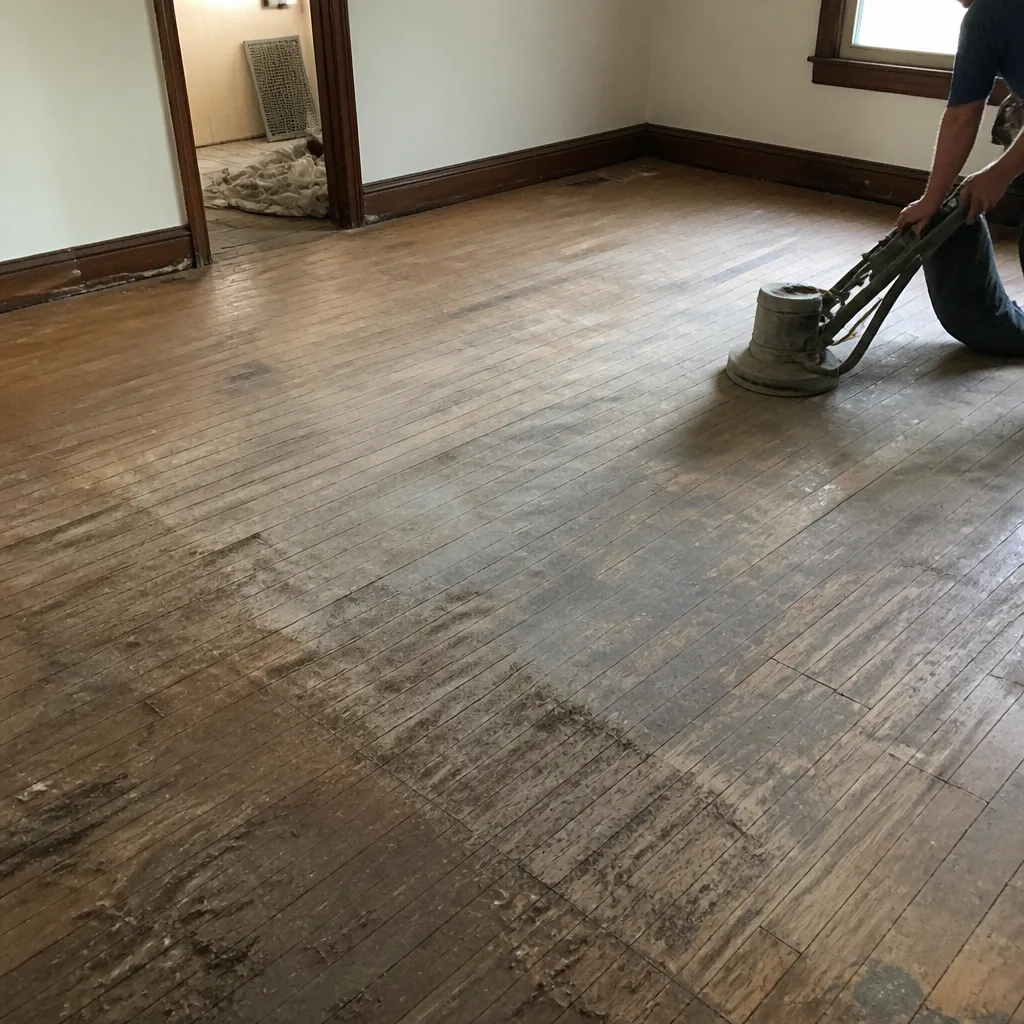 Before
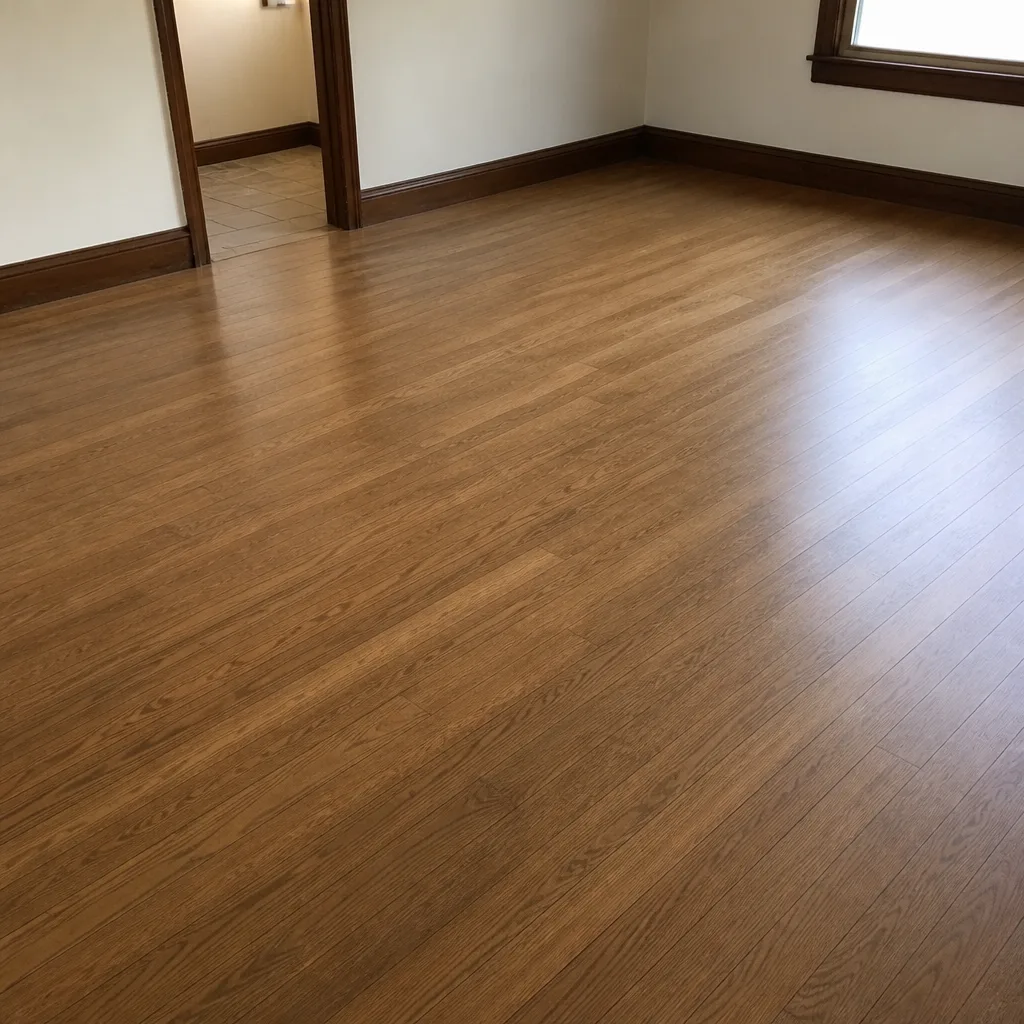 After
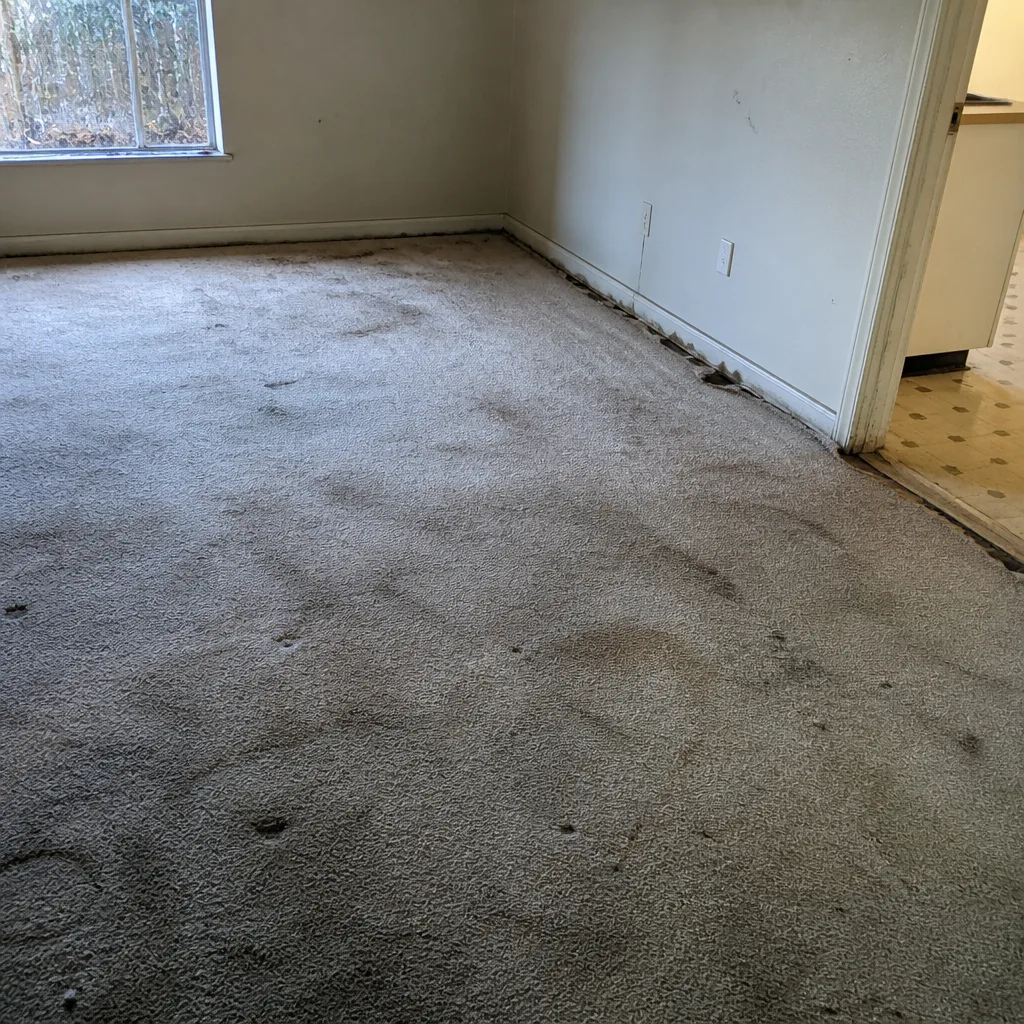 Before
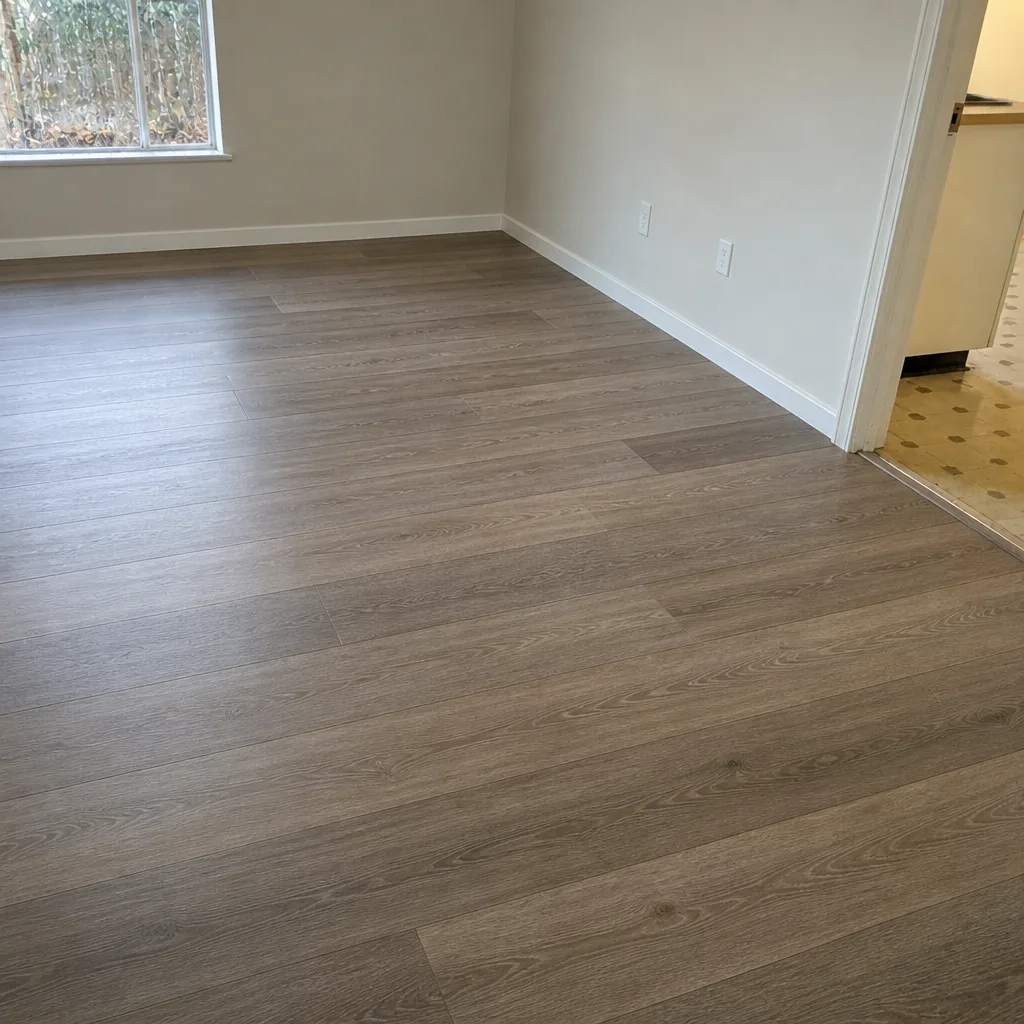 After
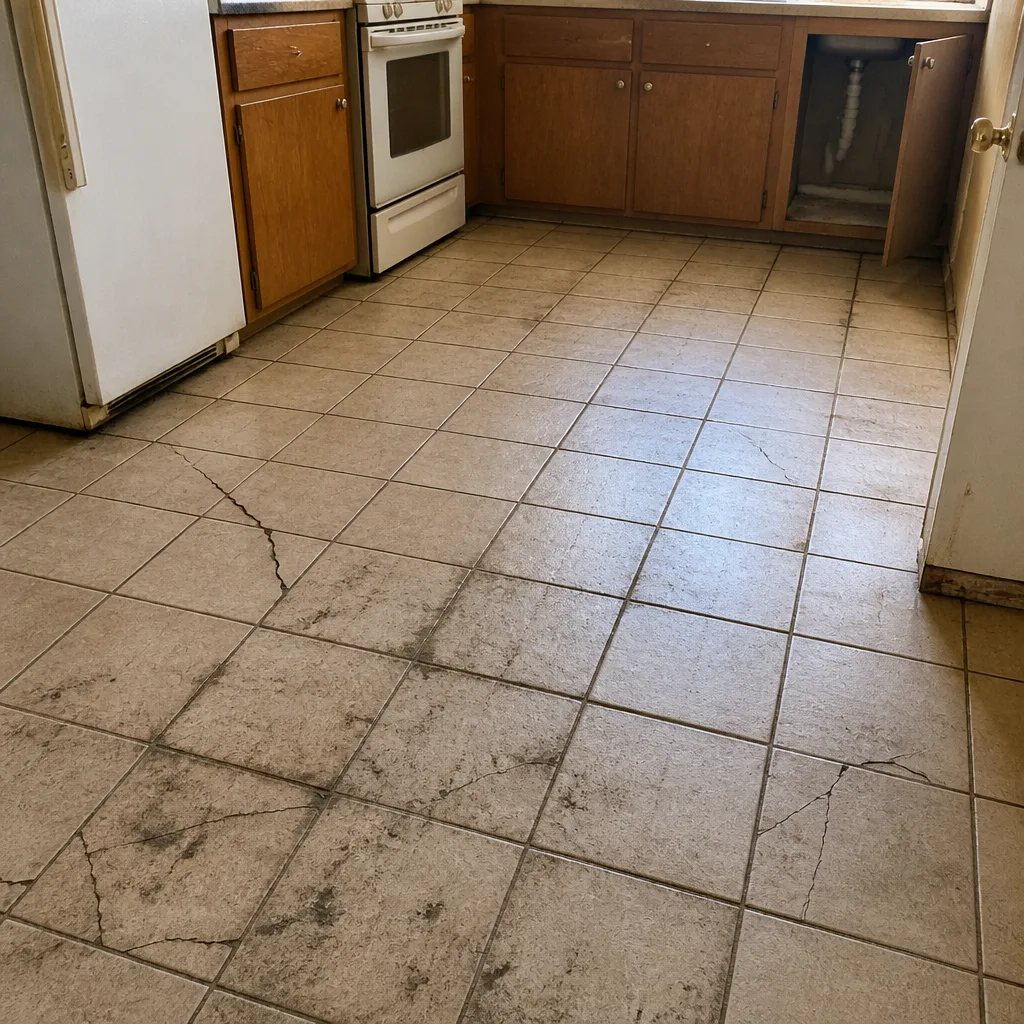 Before
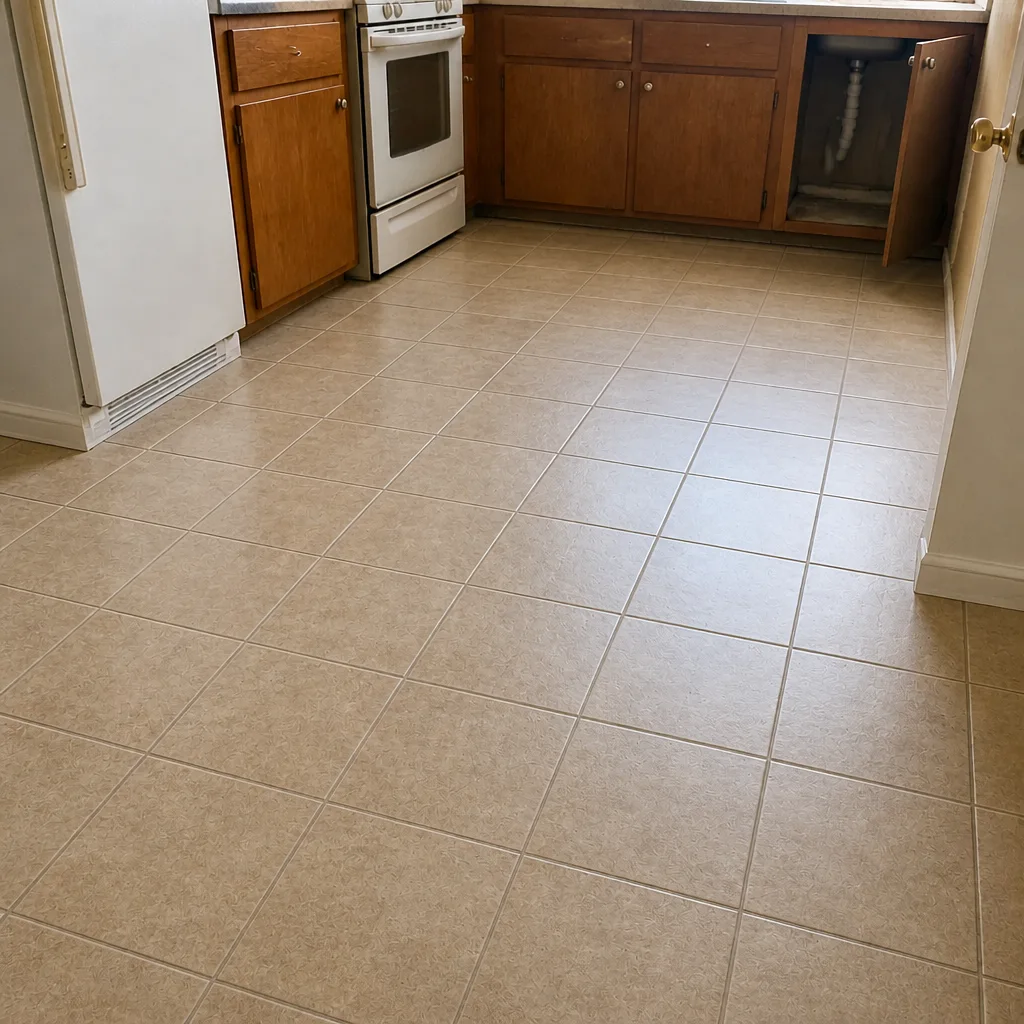 After
When to Call a Professional
Book a professional estimate when the floor is more than cosmetic: a worn carpet in high-traffic rooms, cracked or loose tile, a subfloor that feels soft, or a whole-home renovation where several flooring types need to coordinate. It’s also the right call when you’re replacing flooring after moving in and want the work scheduled around the move, or when you’re weighing repair against replacement. Hardwood refinishing is worth a conversation too, since restoring an existing floor can be the better value than replacing it, depending on the thickness and condition of the wood, checked at the estimate visit. Carpet Installation Paradise offers free estimates in Paradise – call (844) 797-3061 to book yours.
Frequently Asked Questions
The in-home estimate is free. We measure, inspect the subfloor and put the findings in a written quote at no charge. The price for the actual work is set per job by that written estimate, so you’ll know the number before you commit. Call (844) 797-3061 with your address and a rough idea of what you want to replace, and we’ll get an estimate on the schedule.
A typical single-family home takes about an hour for the walkthrough and measurement. Whole-house projects or homes with complex layouts can take a bit longer. The time is spent measuring every room, checking door clearances and transitions, and inspecting the subfloor, which is why it isn’t a five-minute visit. Call (844) 797-3061 to book yours.
No. The estimator needs to see the rooms and walk the floor, but full furniture moving isn’t required for the estimate. Clear a path to the rooms and closets you plan to redo, and have access to the water heater and garage if moisture testing is likely. We’ll tell you exactly what’s needed at the scheduled visit.
It should, and ours does when the scope calls for it. Demo and disposal of old carpet, tile or hardwood is a line item on the written quote so you can see the cost rather than infer it. If a quote you receive from anyone leaves demo off without mentioning it, ask before comparing totals. Call (844) 797-3061 for a quote that spells it out.
Yes. Mixed-floor homes are common in Paradise, and one visit can cover carpet in bedrooms, tile in the wet areas and hardwood refinishing in a living room. We handle all three categories under one company, so you don’t need separate contractors on separate schedules. Call (844) 797-3061 to set up a single estimate for the whole home.
An unusually low quote often leaves out real costs like subfloor prep, demo, trim or transitions, which then appear as change orders once work begins. The honest total ends up higher than the quote that included everything. Compare the scope line by line, not just the bottom line. Call (844) 797-3061 for a written estimate with the scope spelled out.
The Bottom Line
A free in-home flooring estimate in Paradise is a diagnostic visit that happens before a price is ever written. A thorough estimator measures everything, inspects the subfloor, checks door clearances and transitions, and asks how you live in each room. The quote that follows should list materials, labor, demo, prep, trim and disposal as separate line items, and should tell you plainly what would change the number. Use the visit to ask the questions that matter and to test whether you’re talking to a flooring specialist. That’s where the real differences show, and it’s how you end up with a floor that holds up in a Paradise home.
Contact Us for a Free Estimate
When you’re ready to price your project, we’ll come out, measure carefully, inspect the subfloor and hand you a written quote before you decide. Whether you’re replacing worn carpet, updating tile or refinishing hardwood, we handle the floor you choose across nine brands and three categories. Call (844) 797-3061 to schedule your free estimate. We answer 24/7. Fast dispatch from 7am to 7pm, Sunday through Friday.
Written by the team at Carpet Installation Paradise.