
Last updated November 18, 2026
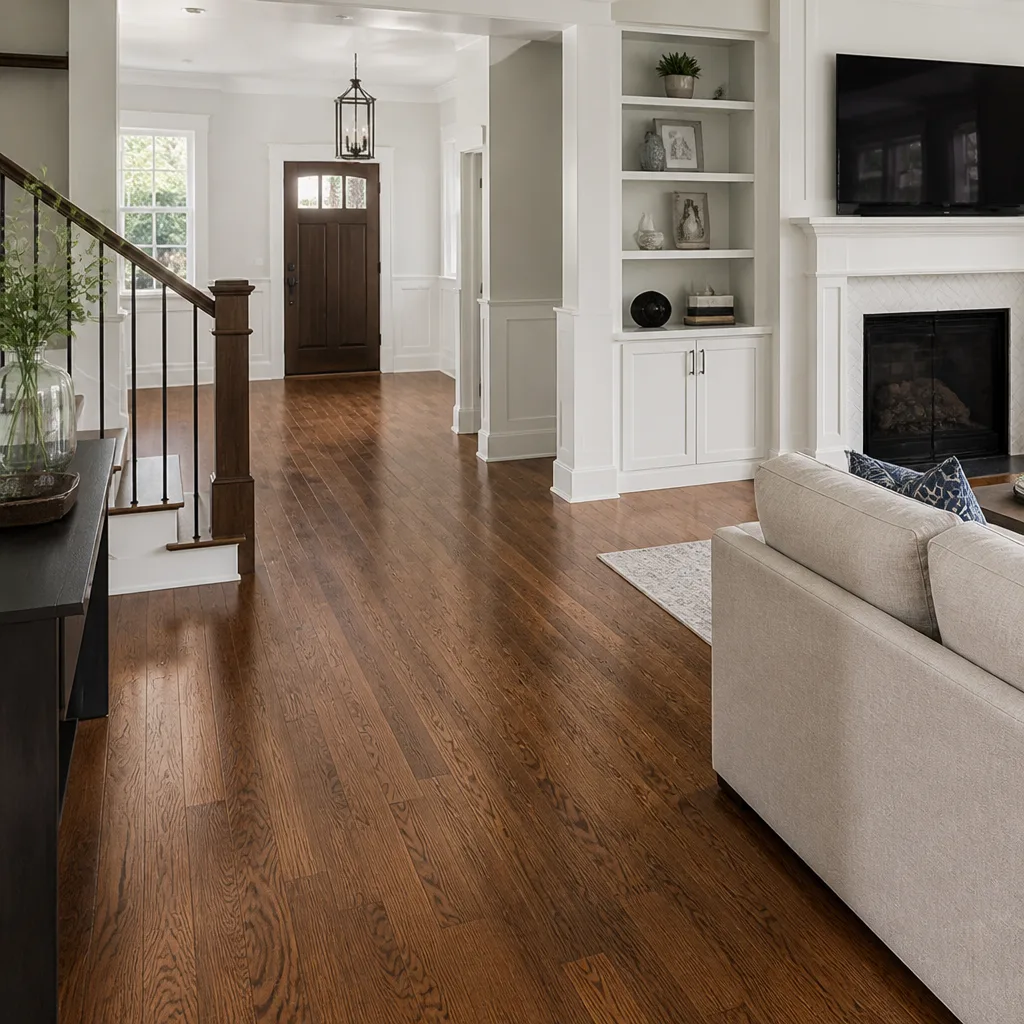 Hardwood
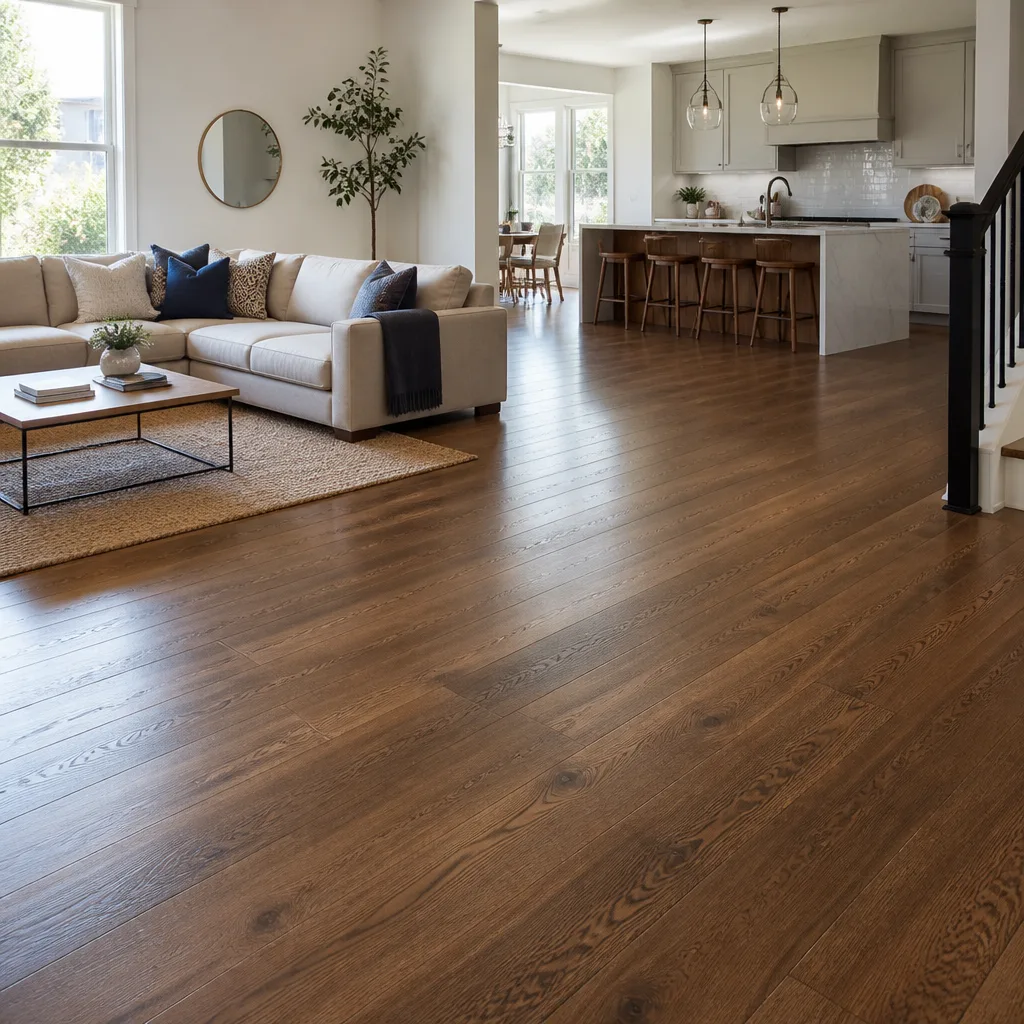 Engineered hardwood
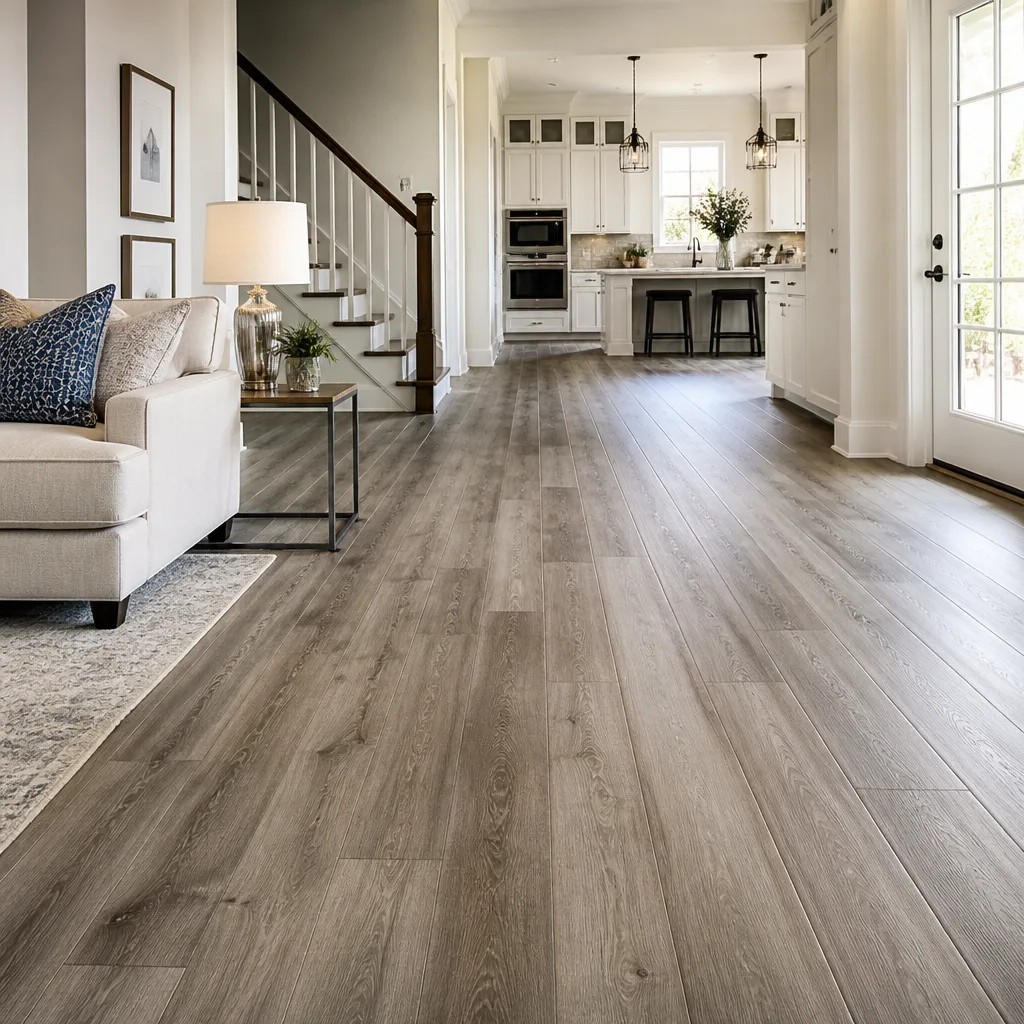 Luxury vinyl plank
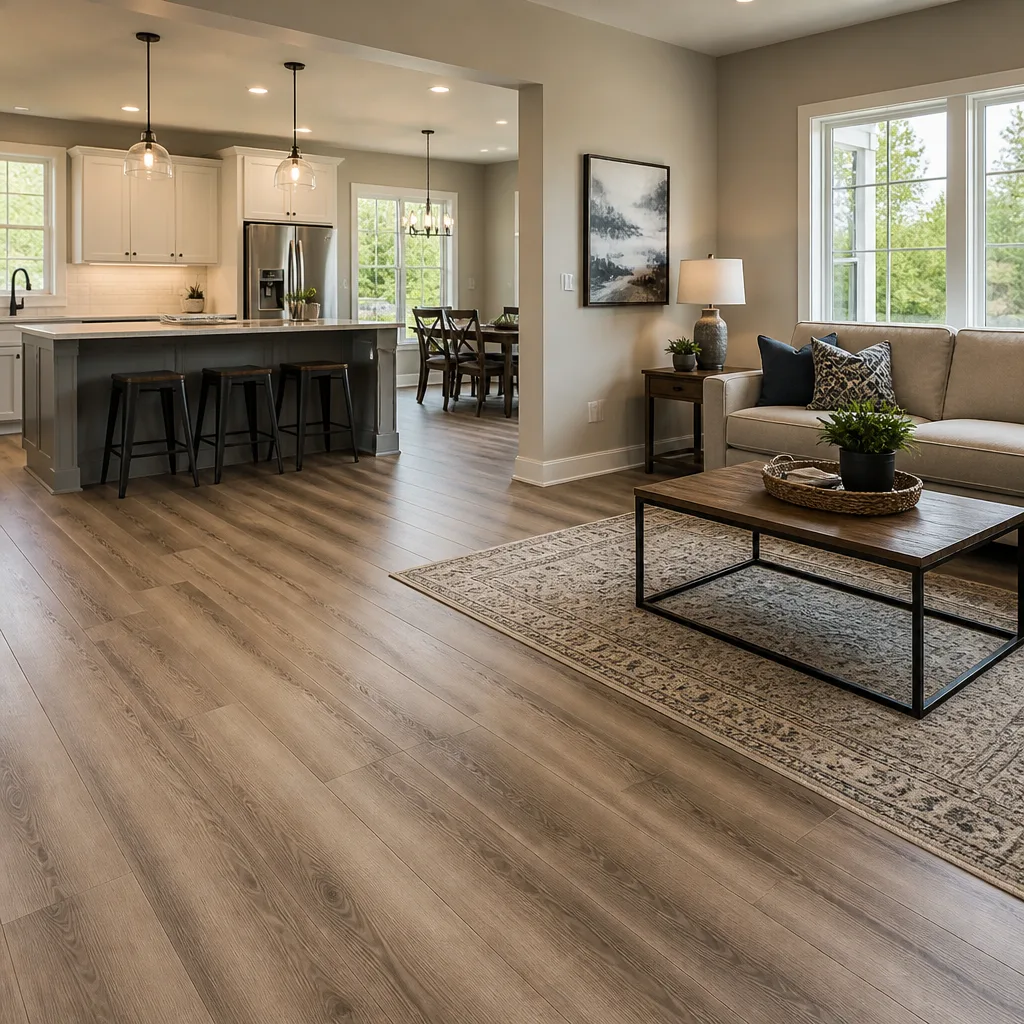 Laminate
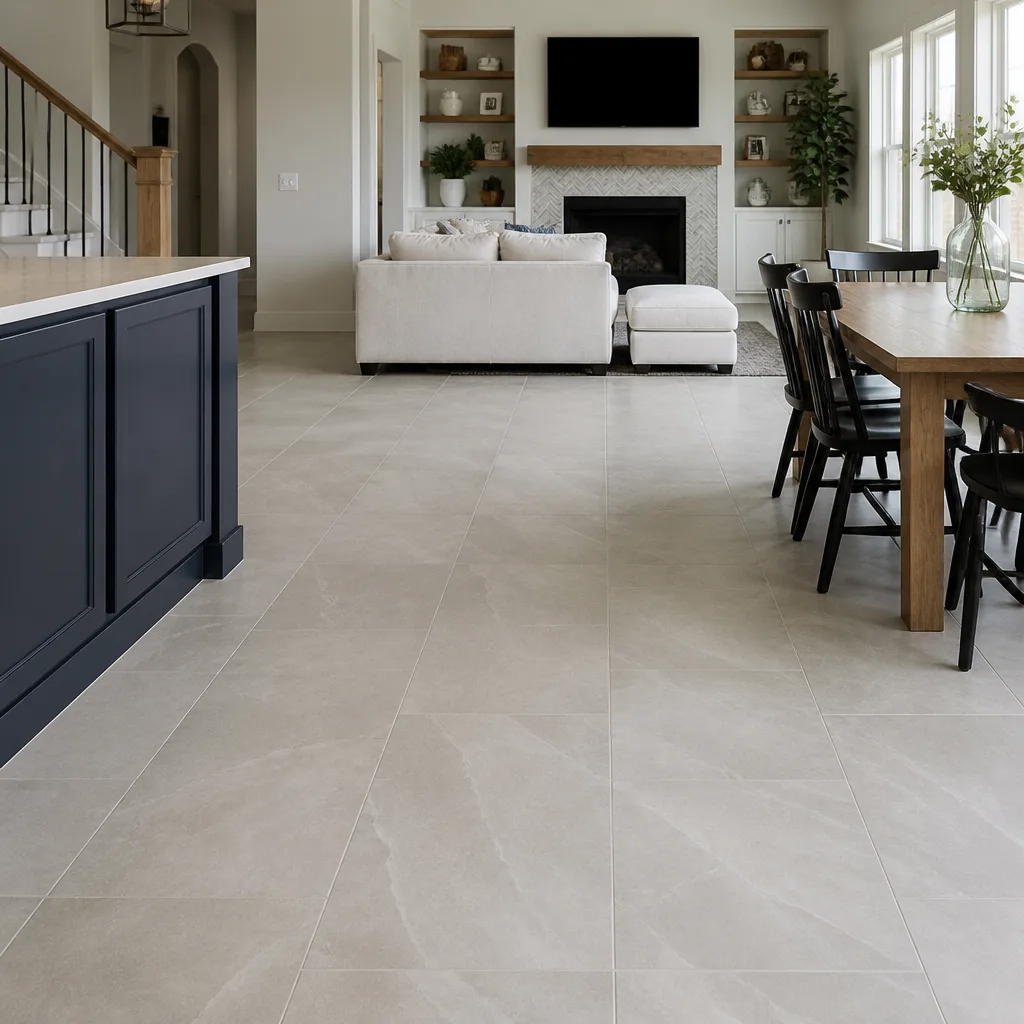 Porcelain tile
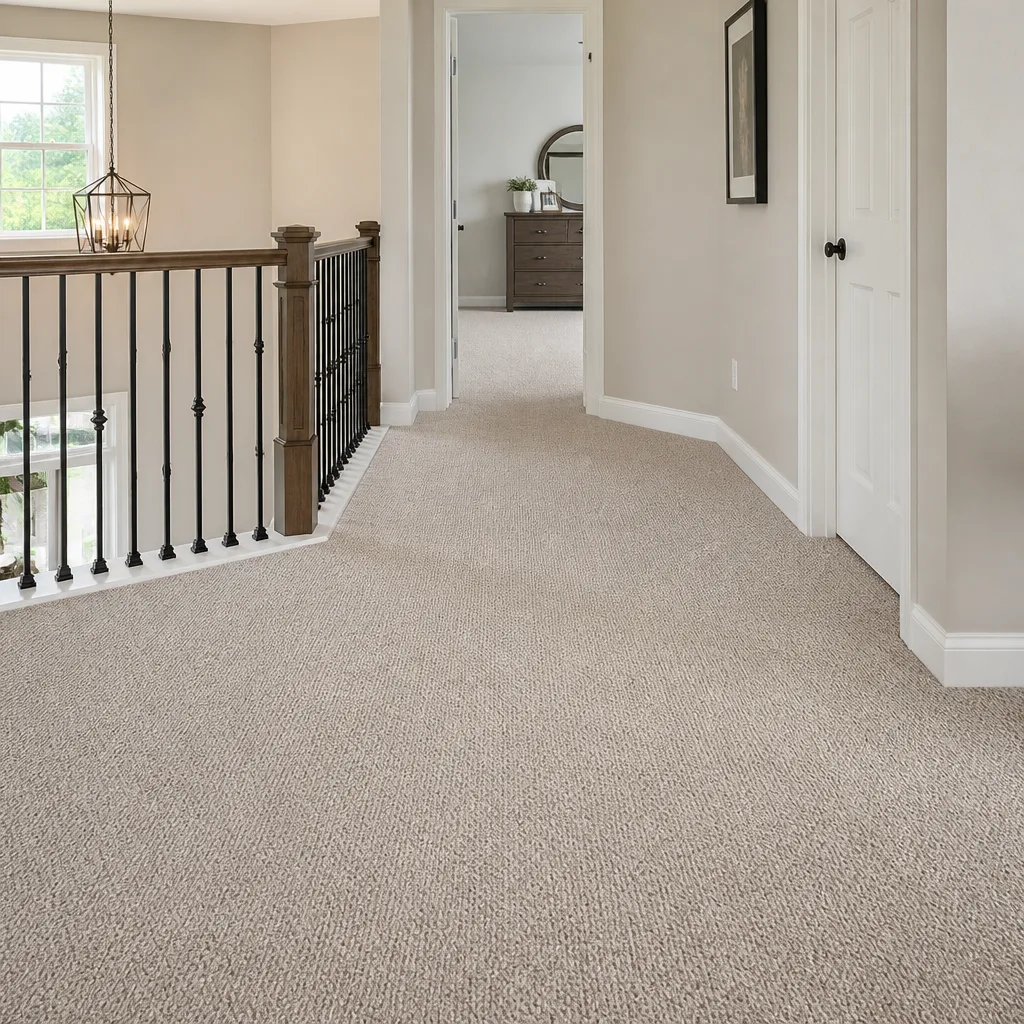 Carpet
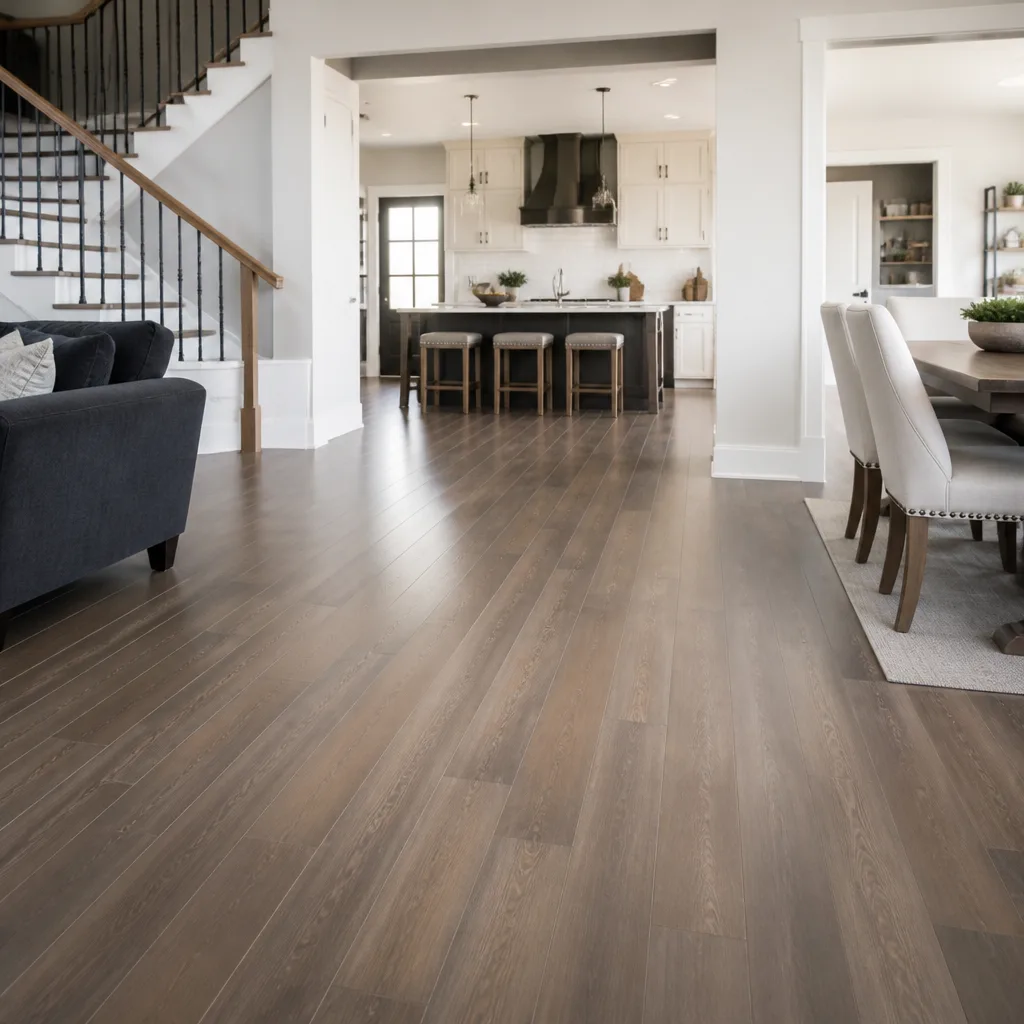 Shaw
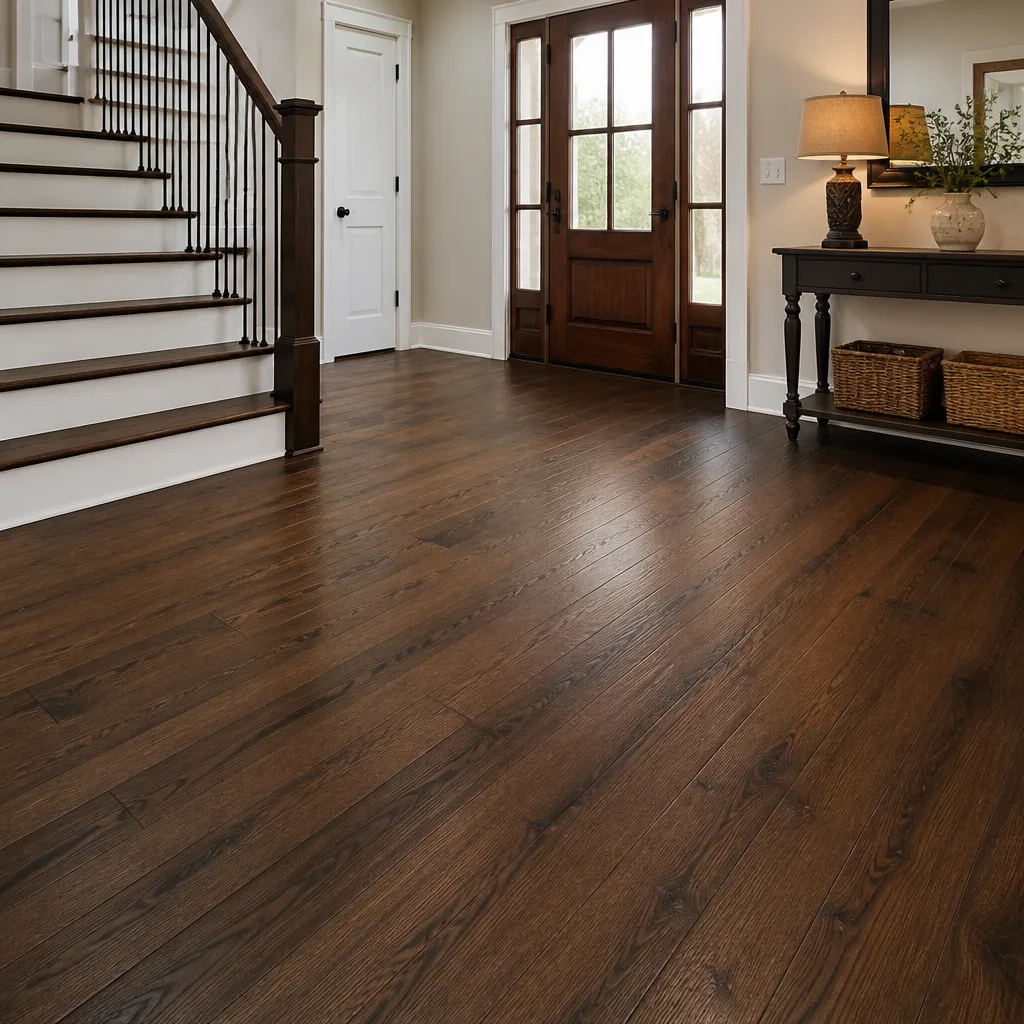 Mohawk
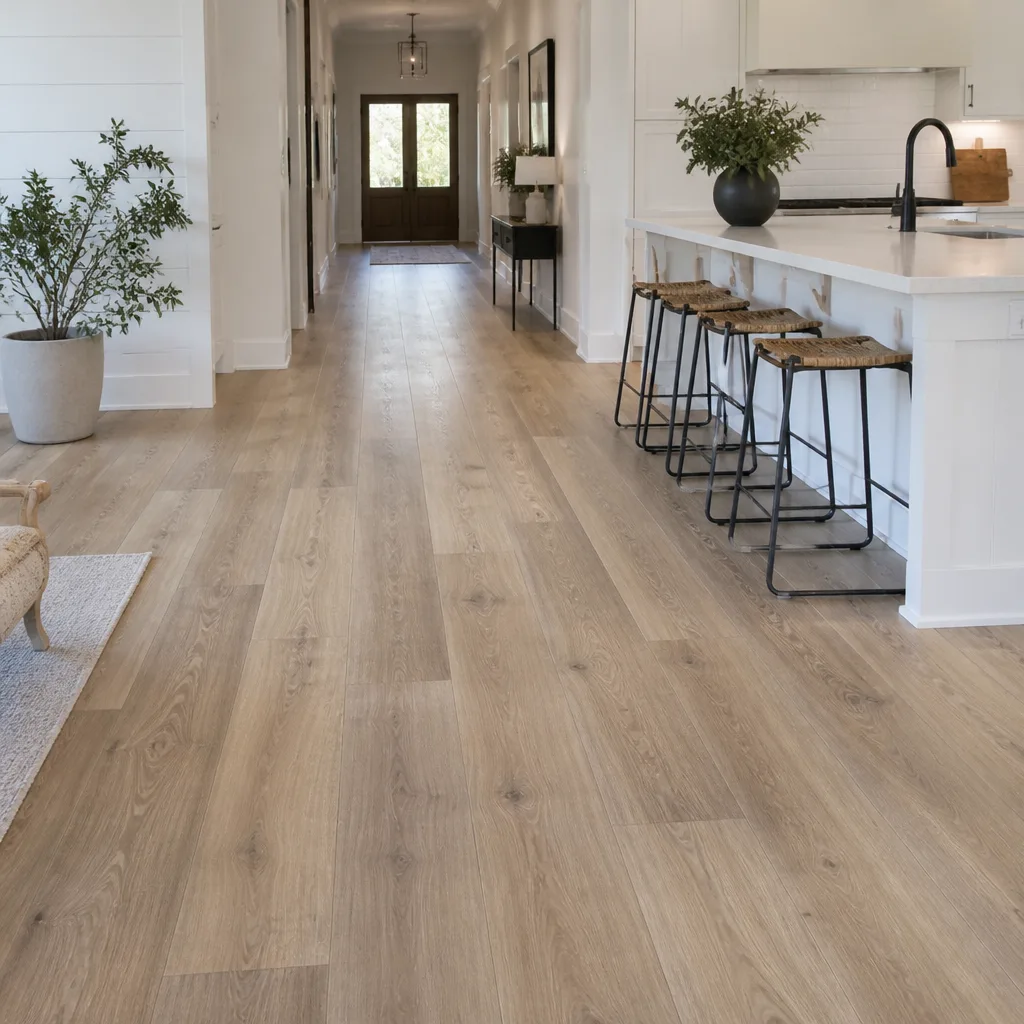 COREtec
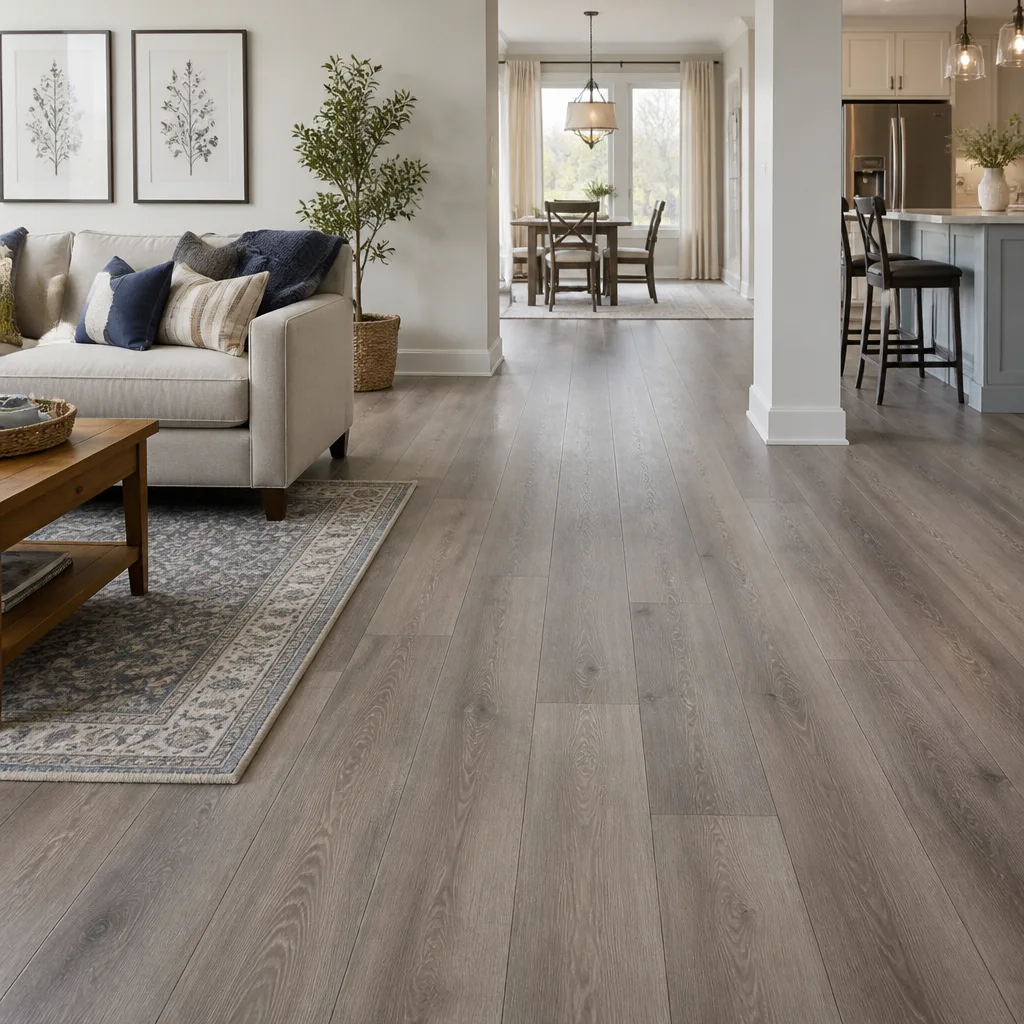 Pergo
Free in-home measure and written estimate: Shaw, Mohawk, COREtec and Pergo lines compared on your own rooms, with carpet, tile, vinyl plank, laminate and hardwood laid out side by side
Get your free estimateSubfloors Explained: What Sits Under Your New Floor
You can install beautiful luxury vinyl plank on a subfloor that’s out of flat by more than 3/16 inch over 10 feet and have a floor that looks perfect for about 18 months before the clicks start failing. That’s the part most homeowners never think about. The subfloor is hidden, it doesn’t show up in the showroom, and it rarely makes it onto a renovation budget. But in Paradise, where most homes sit on a concrete slab baked by desert sun, that hidden layer is the single biggest factor in whether your new floor performs for years or starts complaining early. This guide covers what’s under your floor, why it matters, and how to ask the right questions before you buy.
Quick Answer
The subfloor is the structural surface beneath your finished floor. In Paradise, it’s usually a poured concrete slab, sometimes a wood-framed floor. It has to be flat, dry, and sound before any new flooring goes down. Get those three things right and your floor has a foundation. Skip them and even premium materials from a name brand will fail early. Everything else in this guide is detail on how that prep works.
Styles & brands we work with
- Hardwood
- Engineered hardwood
- Luxury vinyl plank
- Laminate
- Porcelain tile
- Carpet
- Shaw
- Mohawk
- COREtec
- Pergo
Table of Contents
- The Two Subfloor Types in Paradise Homes
- Flatness vs. Levelness: The Distinction That Matters
- Moisture Testing on Concrete Slabs in Paradise
- What Self-Leveling Compound Does and When You Need It
- How Each Flooring Type Interacts With the Subfloor
- How to Ask Your Contractor About Subfloor Prep
The Two Subfloor Types in Paradise Homes
Every flooring project in Paradise starts with the same question: what’s underneath? There are two answers, and they behave very differently.
Concrete slab. This is the dominant construction in Paradise and most of the Las Vegas Valley. Houses here are typically built slab-on-grade, meaning the finished floor goes directly over a poured concrete foundation. Slabs are flat by nature of how they’re poured, but they’re never perfect, and they carry moisture from below. That moisture is the part people underestimate most. A slab can look bone dry on top and still push vapor up through a vapor barrier that wasn’t installed or has aged. Every flooring category handles that differently, and it’s why slab prep for carpet installation looks nothing like slab prep for rigid plank or tile.
Wood frame. Some Paradise homes, particularly older construction and second-story areas, sit on wood joists with plywood or OSB sheathing. Wood subfloors move with humidity and temperature, and they can sag, squeak, or delaminate. In a dry climate, wood can also shrink slightly between seasons, which shows up as gaps at seams. Prep here means checking for deflection (how much the floor flexes under weight), securing loose panels, and filling low spots.
Why does the distinction matter? Because the prep requirements, the moisture question, and the tools involved are entirely different. If an installer shows up and treats a slab like a wood subfloor – or the other way around – you need to have a conversation before any material comes out of the box. Our technicians have up to 12 years of experience working both, and they’ll tell you the two jobs have almost nothing in common at the prep stage.
Flatness vs. Levelness: The Distinction That Matters
Here’s a distinction most homeowners have never heard, and it’s the one that decides whether a floating floor stays quiet or starts to click and pop. Flatness and levelness are not the same thing, and only one of them usually matters.
Level means the floor is perfectly horizontal compared to gravity. A floor can be out of level by a full inch across a room and still perform perfectly. Old houses settle. Slabs shift. Nobody’s walking around with a spirit level checking your living room.
Flat means the surface is smooth and consistent with no high or low spots that a straightedge would catch. This is what installers care about, and it’s what most flooring manufacturers specify in their installation instructions. A high spot in the middle of a room and a dip at the edge will both stress the finished floor, even if the room as a whole is technically level.
Different flooring products demand different tolerances, and the exact number depends on the product, so the written installation instructions that come with your chosen floor are the authority. That said, here’s the practical picture:
- Luxury vinyl plank and rigid core. These are floating floors that click together and need a flat surface because the planks are thin and rigid. A dip lets a plank flex underfoot, which stresses the locking joint. This is the flooring category most sensitive to subfloor flatness, and it’s where the 18-month failure example above comes from.
- Tile. Tile is rigid and doesn’t flex, so high and low spots create hollow-sounding areas and can lead to cracked tiles or loose grout. Tile installations usually use a mortar bed that can absorb small imperfections, but big ones still need correction first.
- Hardwood. Solid hardwood needs a flat substrate because it’s nailed or stapled down. Any dip under a board can cause squeaks or cupping. Engineered hardwood is more forgiving but still has a tolerance.
- Carpet. The most forgiving of the group because the cushion absorbs minor variation. Carpet can hide a lot, but it can’t hide a genuinely bad low spot that lets the pad break down early.
If you’re weighing product categories, read up on tile flooring installation alongside plank and carpet before you decide – flatness tolerance is a legitimate tiebreaker.
Moisture Testing on Concrete Slabs in Paradise
“It’s a desert. There’s no moisture problem here.” We hear some version of that constantly, and it’s the most expensive assumption in flooring. Desert climate is about air. Slab moisture is about the ground beneath your foundation, and that moisture has nothing to do with how dry the air is above it.
Concrete is porous. It pulls moisture from the soil under the slab, and that vapor moves upward through the concrete and into whatever flooring is on top. If a floor traps that vapor, the moisture builds up underneath and causes problems – adhesive failure on glue-down products, cupping or warping on wood, mold under carpet padding, or blistering on resilient flooring. Paradise homes sit on ground that hasn’t been built over with drainage systems the way an older city might have. The soil moisture content varies by lot, by season, and by how the site was graded when the house was built.
There are two common tests for this, and both measure something different:
- Calcium chloride test. A small dish of calcium chloride is sealed under a plastic dome on the slab for a set period. The chemical absorbs moisture vapor coming through the concrete, and the weight gain tells you the emission rate. It measures how much vapor is passing through the slab at that moment, which is useful for adhesive selection and vapor barrier planning.
- Relative humidity (RH) probe test. A probe is drilled into the slab to a specific depth and left to equilibrate. It reads the actual humidity condition inside the concrete, not just at the surface. This is the test that catches deep slab moisture that a surface test might miss.
Either test should be run well before install day so it doesn’t hold up the schedule. If the readings are high, the fix is usually a vapor barrier or a moisture-mitigation coating applied before the new floor goes down. The acceptable limit depends on the product – the manufacturer’s written instructions for the specific flooring you choose are what determine the threshold, not a generic number.
Carpet is a special case. Carpet itself doesn’t need a moisture test the way adhesive-bound products do, but padding can trap moisture against a slab and grow problems. Any slab that reads high should be addressed before carpet goes down too.
What Self-Leveling Compound Does and When You Need It
Self-leveling compound (sometimes called SLU, or self-leveling underlayment) is a pourable cement-based mix that flows across a subfloor and cures to a flat, hard surface. It’s the standard fix when a slab or wood subfloor has dips, humps, or uneven patches that would exceed the flooring product’s flatness tolerance.
Here’s what it does and doesn’t do. It flattens. It does not necessarily make a floor level. If your room slopes two inches because the house settled, self-leveling compound applied thin won’t fix that slope – and you probably don’t want it to, since sloping floors are common and usually harmless. What it fixes is the puddle-in-the-middle dip or the ridge at the doorway that would make a floor plank rock.
When it’s typically mandatory:
- Rigid plank or LVT installations where the flatness variance exceeds the product’s stated tolerance.
- Large tile formats, which are far less forgiving of substrate variation than smaller tile.
- Glue-down wood or engineered floors where the adhesive needs full contact with the substrate.
When it’s usually optional:
- Carpet, where padding absorbs minor variation. (Though genuinely deep dips still need filling so the padding doesn’t break down prematurely.)
- Small tile installations on a substrate that’s already within tolerance.
Self-leveling compound adds cost and a curing period to the project. The quantity needed varies by square footage and how deep the low spots are, so it’s priced per job after the subfloor is actually measured. Don’t let anyone quote you a number for leveling before they’ve checked the floor with a straightedge and taken actual measurements. The written estimate is where that number belongs.
How Each Flooring Type Interacts With the Subfloor
Once you understand slabs, flatness, and moisture, the rest falls into place. Here’s how each major category plays out in a Paradise home.
Carpet. The most forgiving floor over a slab or wood subfloor. Carpet installation uses a pad that absorbs small variations, so flatness tolerances are looser than rigid products. But padding compresses over time, so a significant dip means the padding underfoot will flatten and the carpet will look worn there before its time. If you’re installing Carpet Installation Paradise customers choose for bedrooms and living areas, fill the deep spots first.
Rigid luxury vinyl (LVP/LVT). The category most tied to subfloor quality. Planks are thin, rigid, and click-locked together, and the joints are the weakest point in a floating floor. A dip lets a plank flex every time someone walks on it, and the click edge fatigues. This is where you’ll see brands like COREtec and LifeProof specified, and both rely on a genuinely flat substrate for their click systems to hold. People ask whether rigid core is water-resistant – yes, most of these products are – but that doesn’t make the floor indestructible. Standing water and moisture from below still have to be dealt with, and it’s the subfloor that decides whether “from below” is an issue.
Tile. Rigid and unforgiving. Tile needs to sit on a solid, flat substrate with full mortar coverage. Hollow spots develop where the thinset doesn’t bond, and voids lead to cracked tile. Large-format tile magnifies the problem. Slab prep for tile is often the most involved of any category.
Wood and refinishing. Solid and engineered hardwood both need a flat, dry, sound subfloor. If you’re considering Paradise homeowners and refinishing an existing hardwood floor, the subfloor question shifts – whether the existing floor can be sanded and refinished depends on how thick the wood is and its current condition. That’s checked at the estimate visit, not guessed from a photo. Restoration is often a real alternative to replacement, but only when the wood underneath is sound.
Laminate. Similar to rigid vinyl in its sensitivity to flatness, though generally thicker and a bit more forgiving of minor variation. Brands like Pergo and Mannington sit in this space. The install mechanics are close to LVP but the material behaves a little differently with temperature and moisture.
How to Ask Your Contractor About Subfloor Prep
Subfloor prep is the part of a flooring estimate that contractors can quietly skip to make their number look better. The trouble is you won’t find out until the floor starts failing. A good installer will bring up prep before you ask. A less careful one will wait for you to raise it. Here are the questions that separate the two.
- “How will you check flatness before you install?” The answer should mention a straightedge and actual measurements, not “it looks fine.”
- “Is my subfloor concrete or wood, and how does that change your prep?” If they can’t answer this because they haven’t looked, that’s a red flag.
- “Will you test slab moisture before you install, and which test?” The answer should name calcium chloride or an RH probe. If they say “we don’t need to, it’s a desert,” find someone else.
- “What’s the flatness tolerance for the product I’ve chosen, and does my subfloor meet it?” They should be able to tell you the tolerance comes from the manufacturer’s installation instructions and whether your floor is inside it.
- “Is self-leveling compound included in this estimate, or is it a separate line item?” Either answer is fine as long as it’s clear. What you don’t want is a low number that balloons once the floor is revealed.
- “What do you do if the floor turns out worse than expected?” A real specialist has a plan for surprises and explains it upfront.
- “Who’s doing the prep – your installers or a separate crew?” On a mixed-floor home, will your carpet be done by one installer and your tile by another, or can one specialist handle all three categories with the same prep standards?
The subfloor question is also a good chance to ask what brands the contractor actually works with. Carpet Installation Paradise carries nine flooring brands, from COREtec and LifeProof for rigid plank to Karndean for design-forward luxury vinyl to Daltile for tile, plus Shaw, Mohawk, Pergo, Mannington, and Armstrong. When the person measuring your floor has worked with all of them, they know which product plays nicely with which subfloor condition.
Common Mistakes to Avoid
- Skipping the moisture test because it’s dry in Paradise. Desert air says nothing about slab moisture. That vapor comes from the ground under your foundation and can ruin a new floor from below.
- Confusing level with flat. A floor can be perfectly level and still have a dip in the middle. The flatness tolerance for your product is what matters, not a bubble level across the room.
- Letting the flooring store pick the underlayment without checking the subfloor first. Pad and membrane choices depend on what’s actually under them. Start with the subfloor, then pick the product.
- Installing rigid plank over a spot that’s out of tolerance. This is the most common cause of click-floor failure. If the subfloor doesn’t meet the tolerance, level it first or pick a more forgiving material.
- Assuming carpet needs no prep because it’s “the easy one.” Carpet hides a lot, but a deep dip still breaks down padding early and shows through. Fill the low spots first.
- Accepting a verbal “we’ll take care of it” without a line item. If subfloor prep isn’t in the written estimate, ask for it to be priced as its own line. That way you know it’s actually happening.
- Not coordinating multiple flooring types in one visit. If you’re laying carpet and tile in the same house, a single specialist who does both means one prep standard, one schedule, and no finger-pointing if a transition doesn’t line up.
See the difference
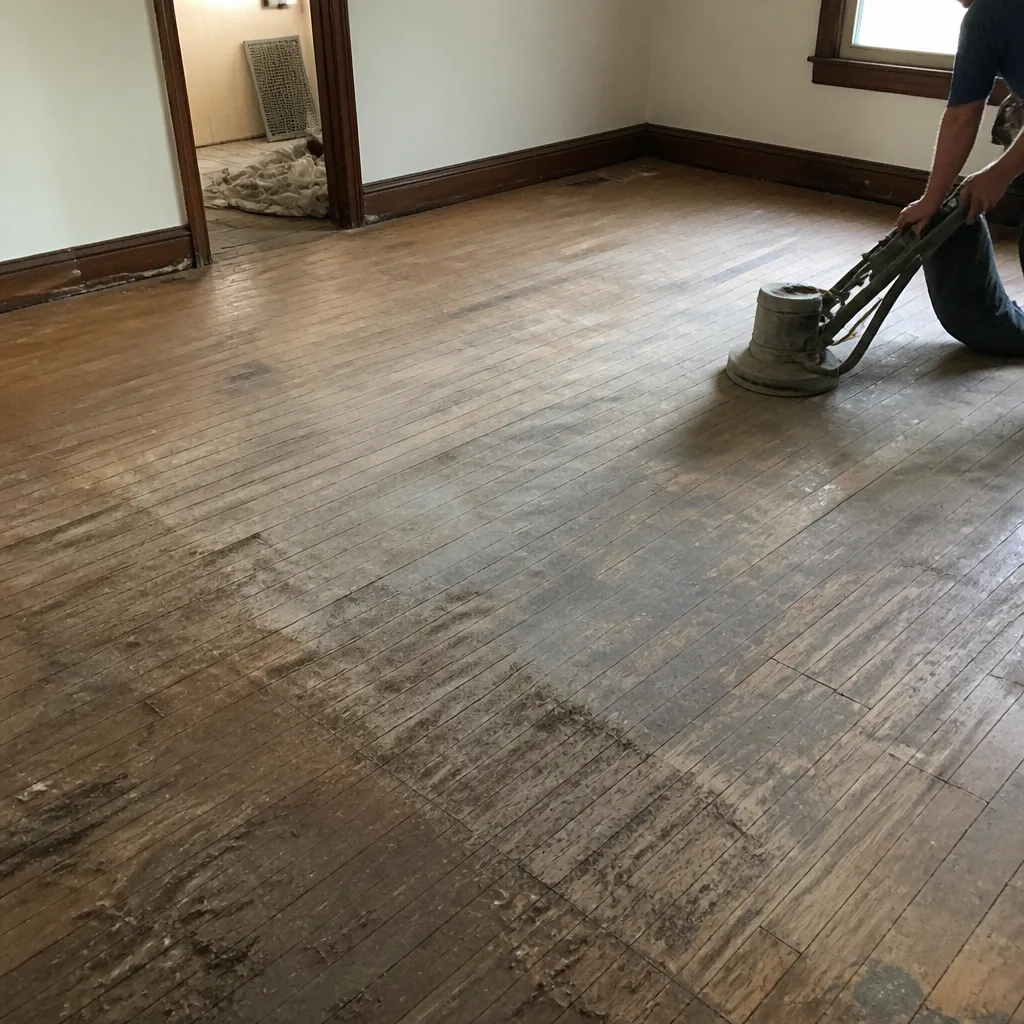 Before
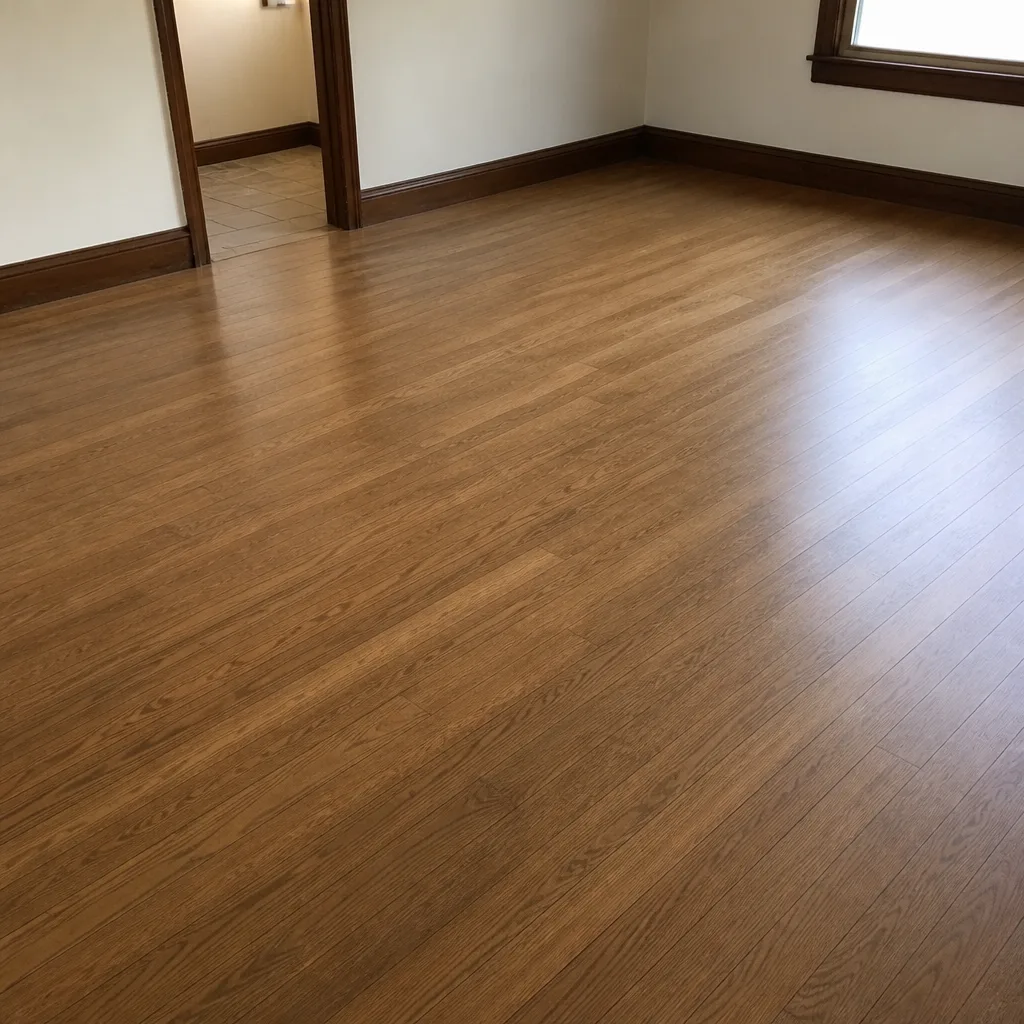 After
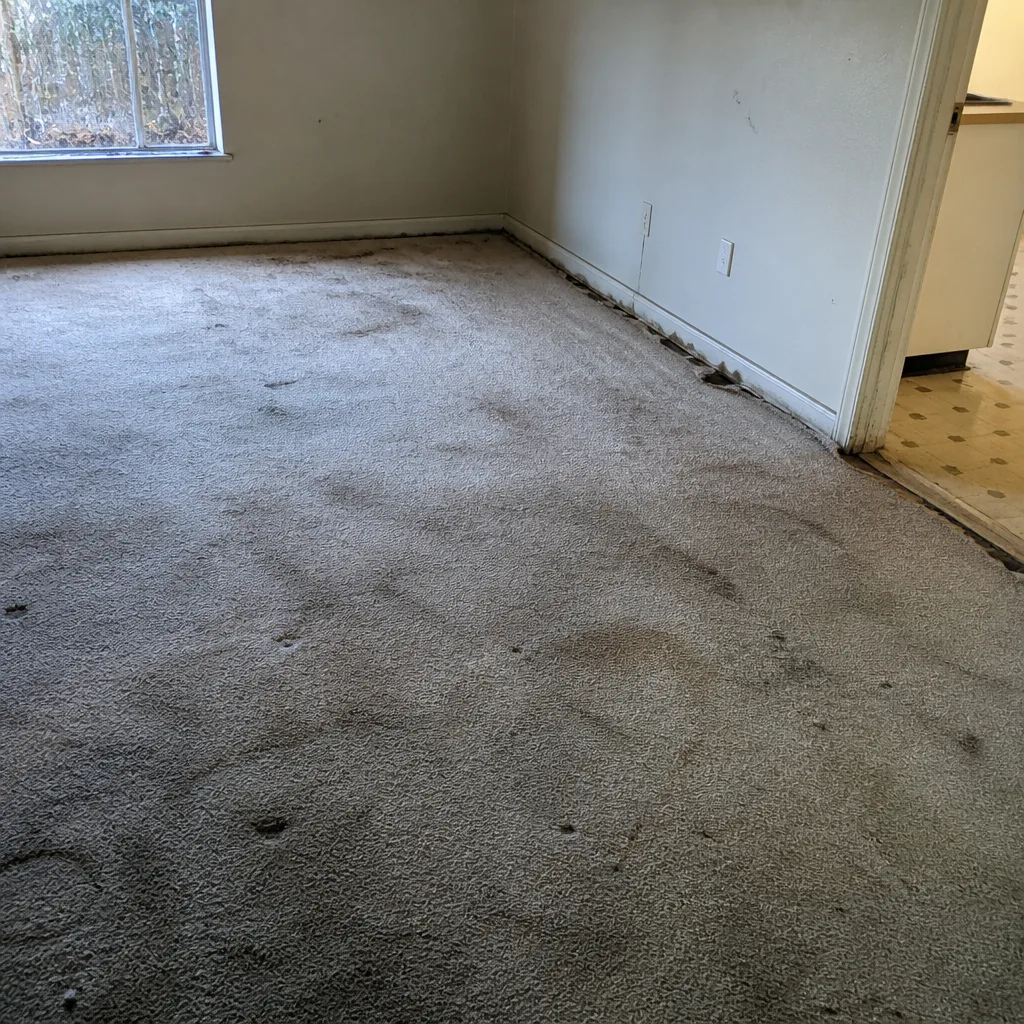 Before
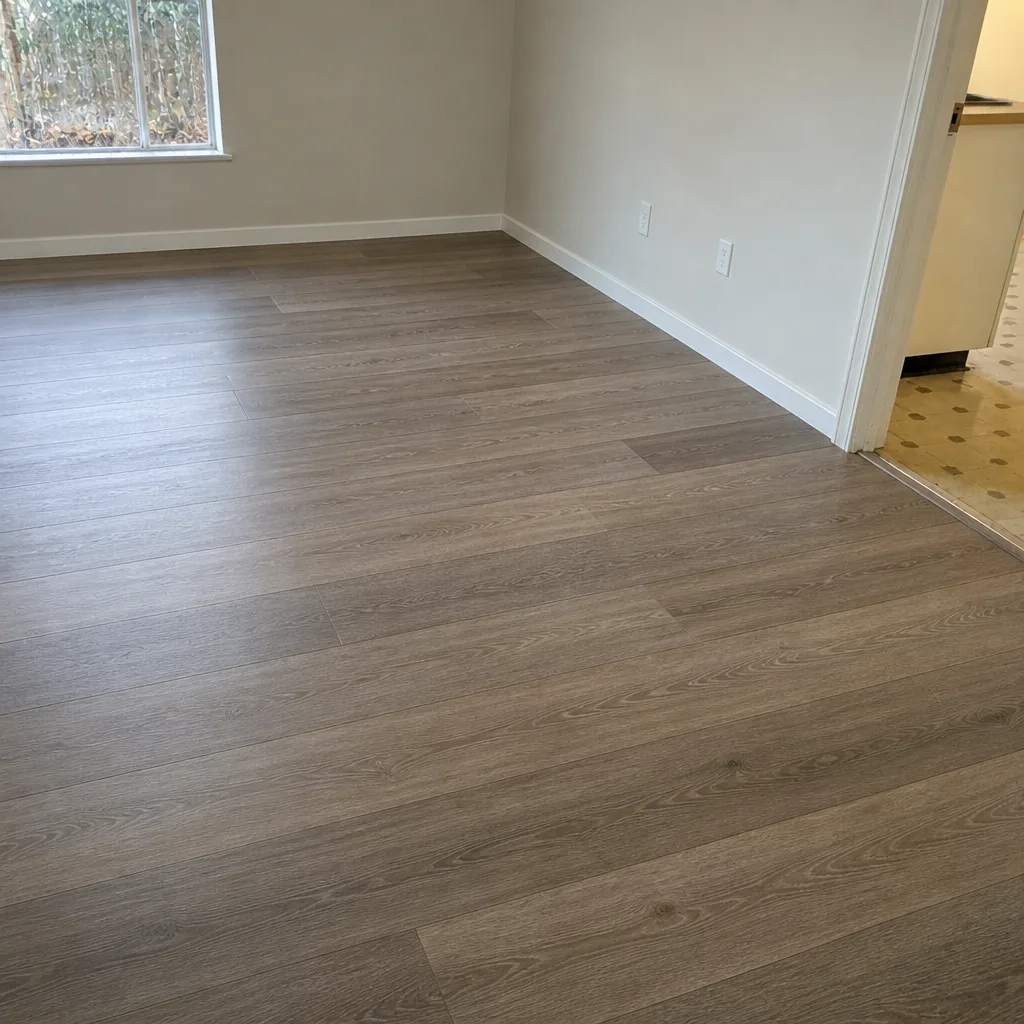 After
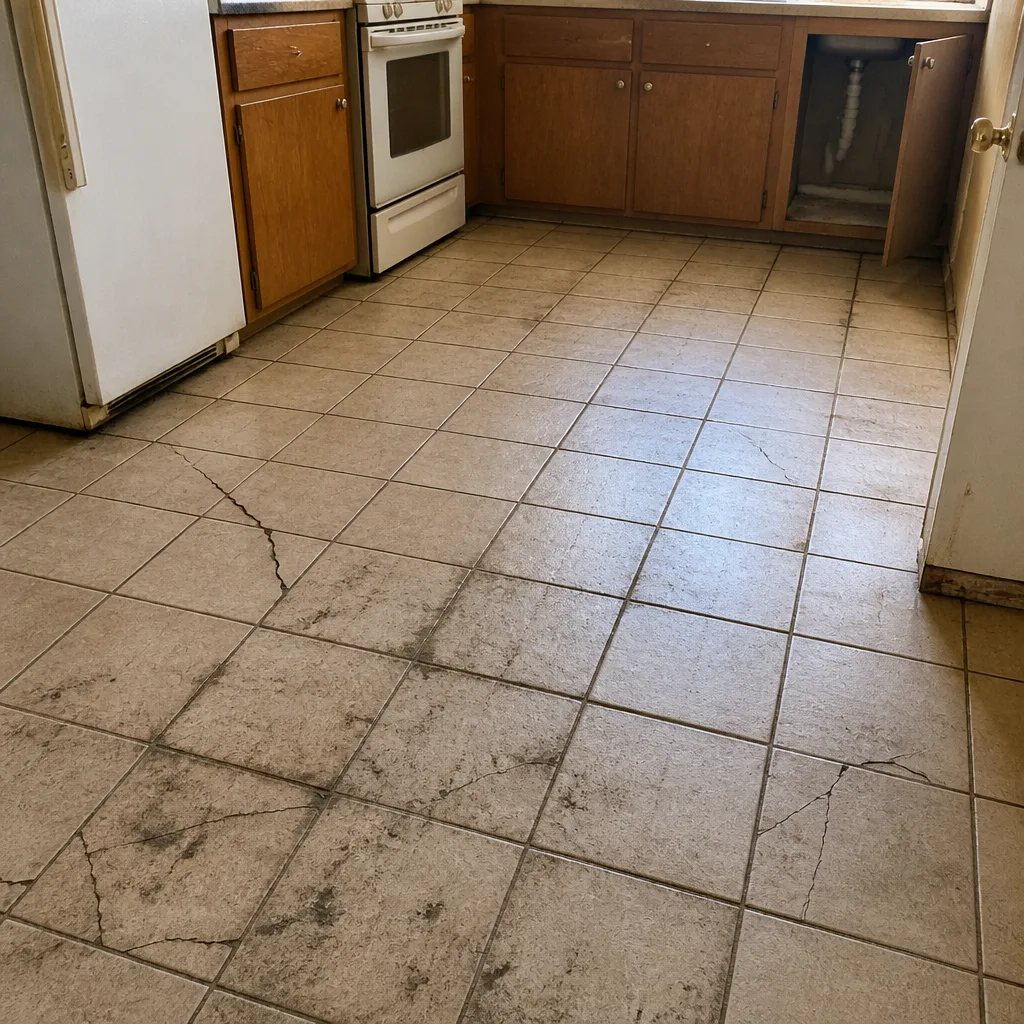 Before
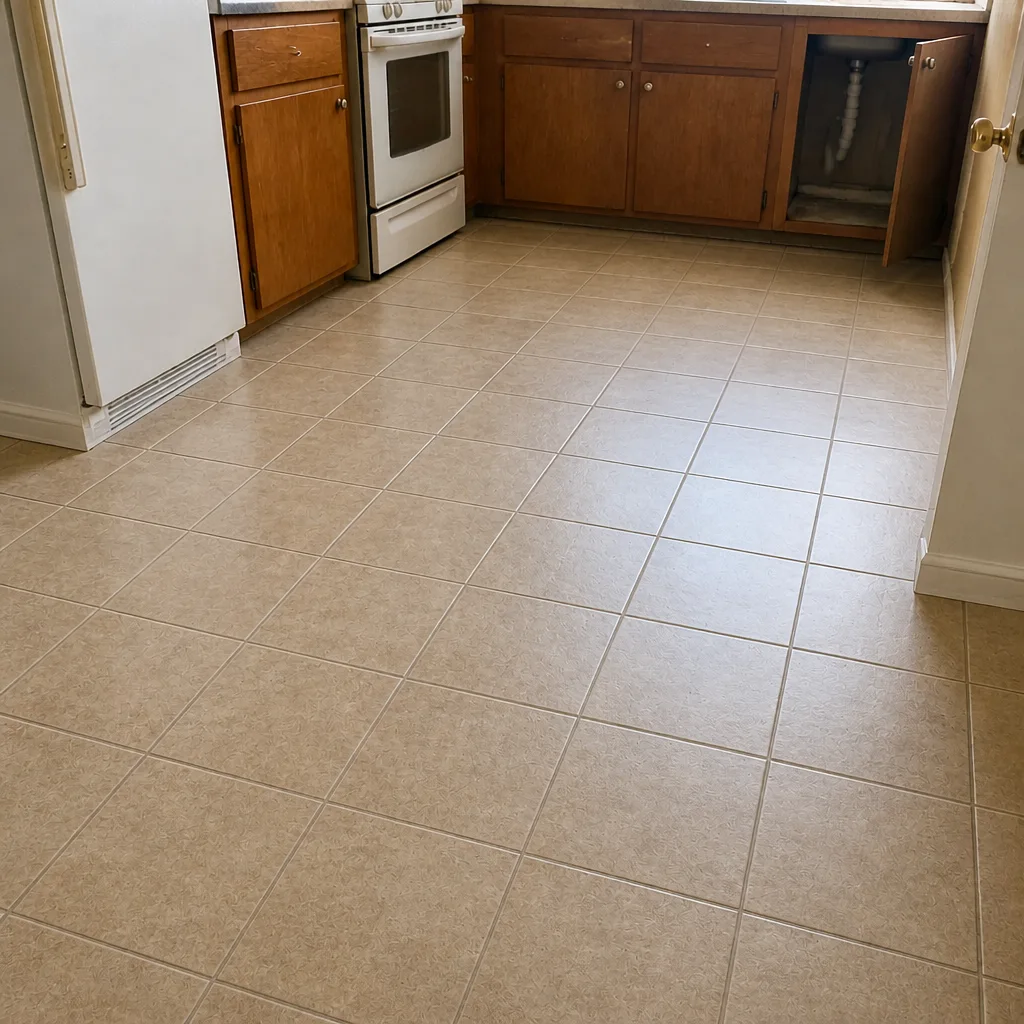 After
When to Call a Professional
Most of this guide is about the whys and hows. The practal question is when to hand it off. Call us when your subfloor has obvious dips, humps, or soft spots, when you’re not sure whether your foundation is a slab or wood frame, when you’re installing rigid plank or tile on a surface you haven’t checked, or when an old floor is being replaced and you want to know if the surface underneath is salvageable. Those are all jobs that need a straightedge, a moisture test, and the experience to read the results. Carpet Installation Paradise offers free estimates in Paradise – call (844) 797-3061. We’ll check the subfloor before we quote anything, because the number that matters is the one that holds up after the floor is installed.
Frequently Asked Questions
Yes, regardless of age. New construction has become sloppier, not more precise, and fresh slabs still have moisture in them and flatness variation. Newer homes also tend to have more rigid flooring installed, which is less forgiving, so the flatness question matters more than it did twenty years ago. The only way to know is to measure. Call (844) 797-3061 for a free estimate that includes a subfloor check.
It can be, and that’s not automatically a problem. Sloping floors are extremely common in the Valley, and a little slope won’t hurt your flooring. The issue is flatness, not slope. A dip or ridge that a straightedge catches within the span is the thing to fix before the floor goes in. Call (844) 797-3061 and we’ll check yours with a straightedge and tell you what your chosen product needs.
There’s no single number. Self-leveling compound is priced per job based on square footage, depth of the low spots, and whether a moisture mitigation coat is needed too. That’s why an accurate quote requires an on-site measurement, not a phone estimate. Call (844) 797-3061 for a free estimate with a written price – the written estimate sets the final number.
You can, but you shouldn’t. Carpet doesn’t need moisture readings the way glue-down products do, but padding can trap vapor against a slab and create problems that show up under the floor. A quick test before install is cheap compared to the cost of redoing a floor. Call (844) 797-3061 for a free estimate on carpet installation in Paradise.
The schedule depends on the size of the job, the flooring product, and how much prep the subfloor needs. Prep is done before install day, so it can extend the overall timeline from measurement to finished floor. Your installation day is set at the estimate, and the padded timelines discussed at that visit reflect the actual prep required for your home. Call (844) 797-3061 to schedule a free in-home measure.
No. Carpet usually doesn’t need it, and smaller tile installations on an already-flat surface typically don’t either. The flooring category and the actual condition of your subfloor determine that. Bring in a professional – a quick check tells you whether leveling is mandatory or optional for the product you’ve chosen. Call (844) 797-3061 for a free estimate.
The Bottom Line
The subfloor is the part of a flooring project you don’t see and rarely think about, but it’s what everything else depends on. In Paradise, most homes sit on concrete slabs that carry moisture and vary in flatness, and those two facts shape how every flooring category performs. Flatness is not levelness – your floor doesn’t need to be level, it needs to be flat within the tolerance of the product you’ve chosen. Moisture testing isn’t optional because it’s dry outside. Self-leveling compound flattens the dips and is mandatory for some products and optional for others. Ask your contractor how they plan to handle all of it, in writing. That conversation is where a well-installed floor begins. Call (844) 797-3061 for a free estimate. We answer 24/7. Fast dispatch from 7am to 7pm, Sunday through Friday.
Written by the team at Carpet Installation Paradise.